




Take a look in your closet. Behind the clothes you wear every day, there’s likely a section of once-worn bridesmaids gowns and formal dresses. Now, a cultural shift is asking us to reconsider this clothing graveyard.
The New Math of Your Wardrobe
The logic seems simple: a $500 pair
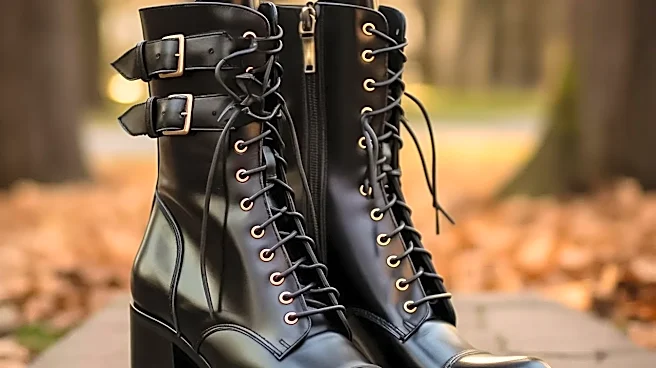
of boots is more expensive than a $200 dress. But this thinking is being replaced by a smarter, more sustainable metric: cost-per-wear. The formula is straightforward: divide an item's price by the number of times you wear it. A dress worn for one wedding costs $200 per wear. A high-quality pair of boots worn twice a week for half the year for five years brings its cost-per-wear into the single digits. This isn't just about saving money; it reflects a major shift in how we live. The post-pandemic blend of hybrid work and a more casual social scene means our closets need to work harder. We have fewer occasions for formalwear and a greater need for versatile, comfortable, and durable everyday pieces.
From 'Just in Case' to 'Every Single Day'
A special-occasion dress is a purchase based on a hypothetical future. It waits for an invitation. A great pair of boots, on the other hand, lives your actual life with you—from the office to a weekend brunch to a walk in the park. Their value comes from their versatility. This move away from trend-chasing and toward building a functional, personal uniform is a core tenet of the 'quiet luxury' movement. This philosophy prioritizes timeless design, superior materials, and impeccable craftsmanship over flashy logos. Instead of a closet full of disposable, single-use items, the goal is a curated collection of high-quality essentials that make getting dressed easier and more enjoyable.
What Makes a Boot an 'Investment'?
Not all boots are created equal. An 'investment' boot is defined by its construction and materials. Look for natural materials like high-quality leather, which molds to your foot over time and can be maintained for years. Details like Goodyear welting, which allows a boot to be resoled multiple times, are a hallmark of footwear built to last. The design should also be timeless—think of a classic Chelsea boot, a sleek ankle boot, or a durable lace-up style. These silhouettes transcend fleeting trends, ensuring they won’t look dated in a year or two. The focus on durability is a direct counter-narrative to the fast-fashion model, which relies on clothes designed to fall apart.
The End of the Throwaway Mindset
Choosing a durable, versatile piece over a disposable one is ultimately a more sustainable act. The fast fashion industry is a massive contributor to environmental waste, with countless garments ending up in landfills after only a handful of wears. By investing in items designed for longevity, consumers can reduce their fashion footprint. This 'buy less, buy better' approach encourages a more mindful relationship with our belongings. It's a shift from being a passive consumer of trends to an active curator of a personal wardrobe. An investment piece isn't just about the initial splurge; it's about acquiring an item that gains character with age and becomes a trusted part of your daily life.