



The Rise of a Romantic Escape
Cottagecore bloomed as a cultural phenomenon and internet aesthetic that romanticized a simple, self-sufficient rural life. It emerged on social media in the late 2010s, but it surged in popularity during the pandemic as people sought comfort, escapism,
and a slower, more intentional way of living. Suddenly, idle homemaking activities like gardening and knitting weren't just hobbies; they were a soothing response to a chaotic outside world. The aesthetic was a visual language of longing for a simpler time, free from technology and stress, rooted in the charm of the countryside. It was less about literally living in a cottage and more about embracing the feeling of it: soft, slow, and beautiful.
Deconstructing the Cottagecore Wardrobe
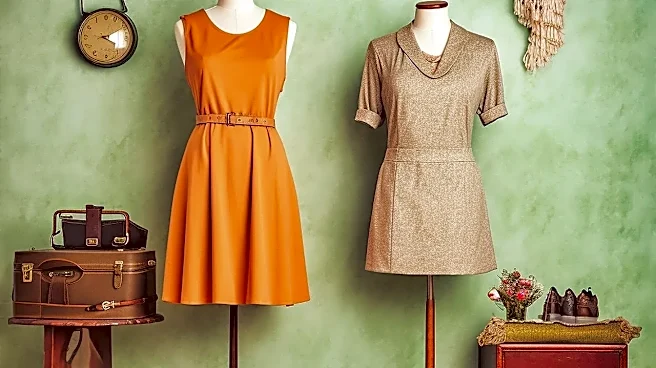
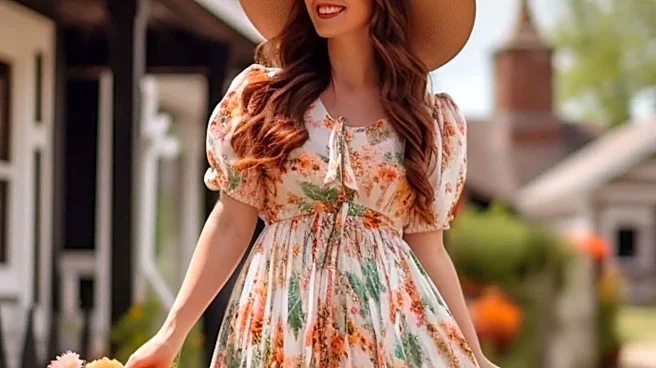
At its heart, cottagecore fashion was defined by specific, highly romanticized elements. Flowing prairie and midi dresses, puff sleeves, smocked bodices, and delicate floral prints were staples. Fabrics were natural and breathable, like linen, cotton, and wool, often in earthy, muted tones or soft pastels. It was a style that celebrated handmade details: embroidery, lace trims, and chunky knits gave pieces a personal, heirloom quality. The look was never just about the clothes themselves; it was about embodying a fantasy of a gentle, purposeful life connected to nature. This return to craft and quality marked a quiet rebellion against the fast-fashion cycle.
The Hyper-Feminine Evolution: Balletcore and Coquette
As the world reopened, the literal interpretation of cottagecore faded, but its DNA was passed on. Its deep dive into romantic femininity paved the way for aesthetics like balletcore and coquette, which became popular in the following years. These styles took cottagecore’s ruffles, lace, and bows and distilled them into a more delicate and stylized form. Balletcore embraced soft knits, wrap tops, and graceful silhouettes, while the coquette aesthetic centered on a playful, flirty, and vintage-inspired girlishness. While distinct, these trends shared a common ancestor in cottagecore's celebration of softness and traditional femininity, proving that the desire for romance in dress had not disappeared, but merely evolved.
From Pastoral Comfort to Quiet Luxury
Perhaps the most surprising legacy of cottagecore is its influence on the "quiet luxury" trend. While cottagecore was rustic and romantic, and quiet luxury is minimalist and urban, they share a core value: an appreciation for quality, craftsmanship, and longevity over flashy logos. Cottagecore re-sensitized many consumers to the feel of natural fabrics and the value of a well-made garment, shifting focus toward sustainability and mindful consumption. This mindset is the very foundation of quiet luxury, which prioritizes impeccable tailoring and premium, unbranded materials. In this sense, the girl in the floral linen dress in 2020 quietly laid the groundwork for the woman in the tailored cashmere coat of 2025. Both looks reject fast-fashion disposability in favor of something more timeless and real.