




The Narrative is Everything
Before a single dress is pulled, the stylist and celebrity discuss the story they want to tell. Is the goal to be seen as an elegant, serious actor, or to create a viral "wow" moment that generates buzz? According to stylist Elizabeth Saltzman, fashion
sends messages and helps make a star seem accessible. This narrative is the starting point for everything. The stylist's job is to build a bridge between the artist and fashion houses, elevating their client's status in the fashion world with each appearance. An outfit is chosen to fit the celebrity's image and personality, whether that's edgy, classic, or bold.
It’s a Marathon, Not a Sprint
Unlike the Oscars, which is a one-night affair, major film festivals like Cannes and Venice are multi-day events. An actor might need several distinct looks: a smart-casual outfit for a daytime photocall, a polished look for a press conference, and a formal gown for an evening premiere. Each event has a different tone and requires a different level of glamour. Stylists must plan a versatile wardrobe that can transition from day to night, often using layers or accessories to adapt a core look. This marathon requires intense planning, with some looks chosen months in advance.
Location, Location, Location
The festival's location dictates many of the practical choices. The sun and heat of the French Riviera for Cannes call for lightweight, breathable fabrics, while the often-chilly Sundance Film Festival in Utah demands polished layers and warmth. Venice's humid air and boat arrivals mean fabrics must resist wilting. Beyond weather, the venue itself is a major factor. Stylist Karla Welch notes that the crowded, table-filled Golden Globes is no place for a massive train, which is better saved for the wide-open space of the Oscars red carpet. At Cannes, the famed grand staircase is a built-in challenge, making ultra-high heels a risky choice.
The Practicality Behind the Glamour
A dress has to do more than just look good in a photo; it has to perform. The star needs to be comfortable enough to wear it for hours, sit through a screening without it creasing terribly, and walk without tripping. Every detail is considered, from the underpinnings—stylists often rely on seamless, stick-on options for daring slits—to ensuring the fit is absolutely perfect. Emergency kits with needles, thread, and static guard are non-negotiable for last-minute disasters, like a torn seam or a zipper breaking moments before hitting the carpet.
Playing by the (Dress Code) Rules
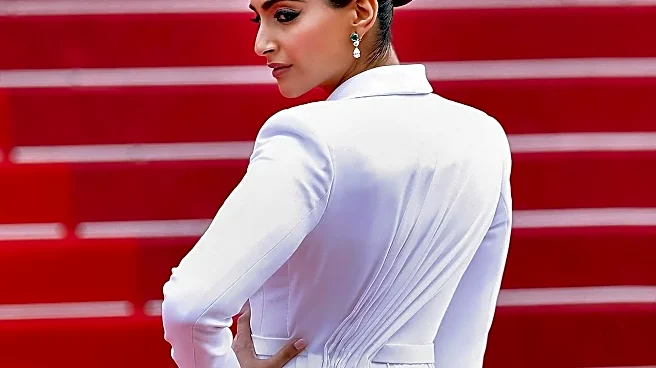
Major festivals have official, and sometimes strict, dress codes. For gala premieres at Cannes, for instance, an evening gown or formal cocktail dress is required, and elegant shoes are a must—sneakers and even large bags are explicitly forbidden. While some stars have famously bent these rules, most looks must align with the event's formal expectations. Stylists work to secure outfits that respect the code while still making a statement. This often involves collaborating directly with designers for custom looks or borrowing from recent and even archival collections.
It Has to Photograph Perfectly
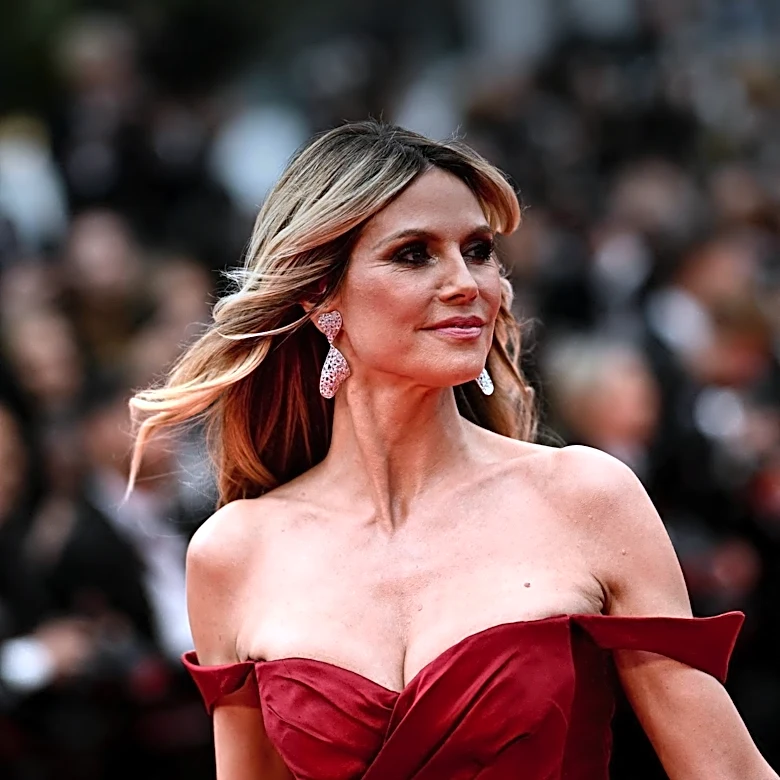
Ultimately, a red carpet look is designed to be photographed. What looks good in person might not translate under the harsh glare of hundreds of camera flashes. Stylists know that camera flashes can make fabrics appear sheer or highlight the slightest imperfection. They choose colors and materials that will pop, and silhouettes that create a strong, memorable shape. The construction of the garment is key, as a well-tailored piece will maintain its structure and flatter the body from every angle. After all, those images will live on forever.