



The Secret Inner Architecture
The most breathtaking gowns are often architectural feats hiding in plain sight. Their effortless appearance is a carefully constructed illusion, built upon a secret inner framework. Just as a skyscraper relies on a steel skeleton, these dresses depend
on an internal structure to carry the load. This foundation is the unsung hero, doing all the heavy lifting so the visible parts of the dress can be light and expressive. This inner architecture is what allows a designer to create a dramatic silhouette without the gown collapsing under its own weight or burdening the wearer. It’s the difference between a simple dress and a piece of wearable art.
Modern Corsetry and Boning
The most critical component of this hidden structure is often a modern corset. Unlike their restrictive historical ancestors, contemporary corsets in couture are designed for support, not punishment. They are built into the bodice to create a smooth, sculpted torso and a defined waist. This is achieved with boning—rigid strips sewn into channels within the gown's lining. While older gowns used heavy whalebone, today's designers often use flexible spiral steel or lightweight plastic boning. Steel is preferred in high-end gowns because it supports the dress's shape without warping under body heat. This internal bodice holds the fabric taut and prevents wrinkling or slipping, creating a flawless canvas and anchoring the entire garment.
Creating Volume Without the Weight
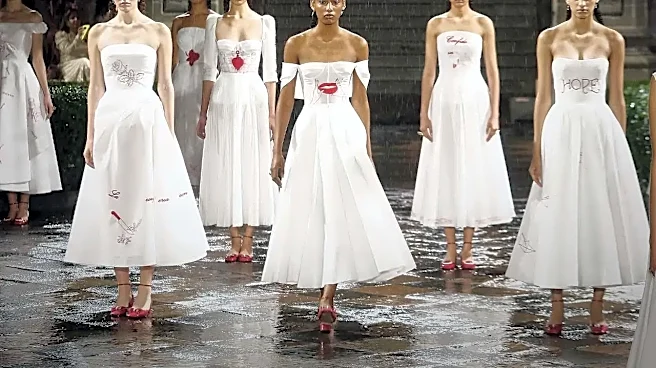
So how do designers achieve those massive, cloud-like skirts? The key is using materials that provide volume but are exceptionally lightweight. Layers upon layers of fine netting fabrics like tulle are a classic choice. Tulle is incredibly light and fluffy, and when layered, it creates a full, ethereal silhouette without adding significant weight. Another essential material is crinoline, a stiff yet lightweight fabric often made from cotton or nylon, used to build petticoats that hold the skirt's shape from within. For even more dramatic structure, designers might use organza, which is stiffer than chiffon and can create dramatic overlays and shapes that seem almost weightless. These underlayers do the structural work, allowing the outer, visible fabric to drape and flow gracefully.
The Art of Material Illusion
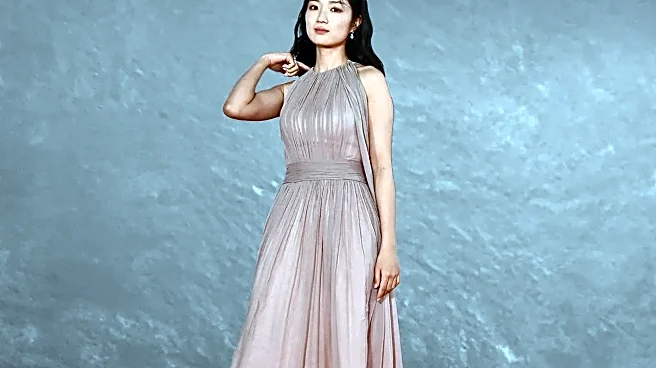
Ultimately, a weightless-looking gown is a masterclass in illusion. The formula combines a strong, hidden foundation with layers of airy, lightweight fabrics. The supportive corsetry and boning anchor the dress to the body, while voluminous but light materials like tulle and organza build the shape. The outer layer, which might be a delicate silk chiffon, a shimmering satin, or an intricately beaded lace, doesn't have to support itself. It is free to float, drape, and move as if it were made of air, because the hidden underpinnings are carrying the entire structural burden. This combination of strength and delicacy is what creates the red carpet magic, turning a simple garment into a breathtaking moment.