






A Venue Carved by History and Sound
Before you hear a single note at Newport Folk, you have to appreciate the venue. Fort Adams State Park is not a purpose-built amphitheater; it's a 19th-century coastal fortification situated at the mouth of Newport Harbor. This unique setting is both
a blessing and a curse for sound engineers. The massive stone walls of the historic fort, some 20 feet thick, can create a wonderfully isolated space for certain stages, preventing sound from bleeding between performances. One engineer noted that the walls can make it so you don't even know when the main stage is active. However, those same hard surfaces can also create unwanted echoes. Add to that the wide-open spaces facing Narragansett Bay, and you have an acoustic puzzle unlike any other. Unlike an indoor concert hall where surfaces are designed to reflect and absorb sound predictably, Fort Adams introduces a host of untamable variables.
Battling the Elements: Wind and Water
The two biggest challenges at Newport are as natural as the folk music itself: wind and water. Because the venue is a peninsula, it's constantly exposed to the elements. Wind is a notorious thief of sound, capable of deflecting and distorting audio waves, especially higher frequencies. A steady breeze blowing across the audience can literally carry parts of the music away, meaning someone on one side of the field might have a completely different audio experience than someone on the other. Temperature and humidity also play a crucial role; moisture in the air actually helps sound travel more efficiently, while changes in temperature can cause sound waves to bend upwards or downwards, creating an uneven distribution across the crowd. Then there's the water itself, which can reflect sound in unpredictable ways, adding another layer of complexity for the people behind the mixing board.
The Science of Making It Sound Good
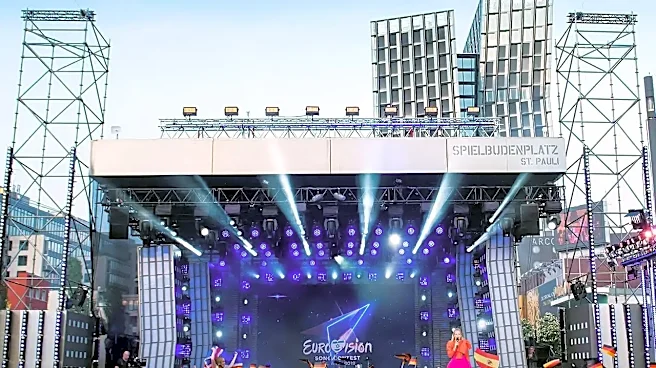
So, how do the festival's audio teams tame this acoustic beast? It's a combination of smart technology and strategic placement. Modern outdoor venues rely on what are known as line array speaker systems. These are the curved columns of speakers you see hanging on either side of the stage. They are designed to focus sound energy and aim it with precision, throwing it over long distances while minimizing how much sound dissipates into the open air. For a large, scattered crowd, this is crucial. To ensure people in the back can hear as clearly as those in the front without blasting the front rows, engineers use delay towers—additional sets of speakers placed further back in the audience. These speakers broadcast the sound on a slight delay, so it arrives at the listener's ear at the exact same moment as the sound from the main stage, creating a clear and synchronized experience for everyone.
The Shared, Imperfect Experience
Despite all the technology, there is no single “perfect” sound at an outdoor festival. The ambient noise of the crowd, the cry of a seagull, the passing of a sailboat—it all becomes part of the show. This is the magic and compromise of Newport. The sound isn't sterile; it's alive and shared. The slightly different mix you hear on your picnic blanket is part of a collective experience that binds the 10,000 daily attendees together. The sound is shaped by the same wind and salty air that everyone is feeling. This creates a unique intimacy, where the environment is not just a backdrop but an active participant in the music. It’s a sonic fingerprint that can't be replicated in a studio or an arena, and it’s a huge part of what makes the festival a legendary, multisensory event year after year.