





Gen X: The Guardians of the Originals
For many members of Generation X, horror isn’t just a genre; it's a collection of sacred texts. Growing up as latchkey kids, many experienced the golden age of slashers and practical effects with a distinct lack of adult supervision. Films like Halloween,
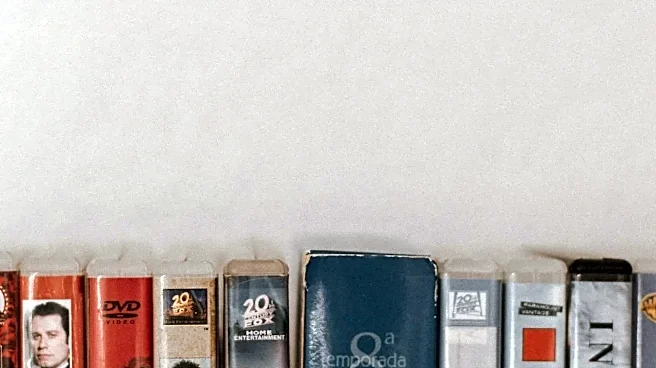
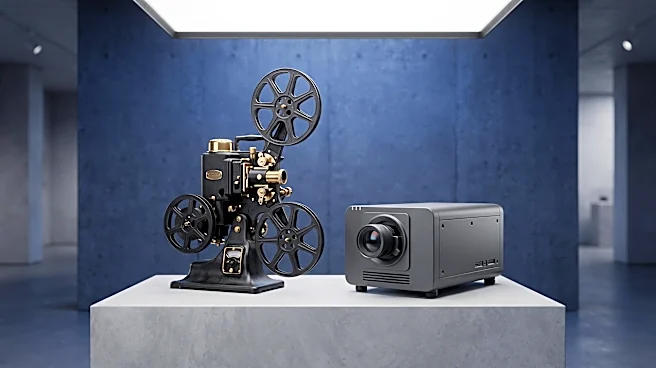
A Nightmare on Elm Street, and The Thing weren't just movies—they were formative, visceral events. This generation often views the original films as untouchable artifacts, products of a specific time that captured lightning in a bottle. A remake isn't just a new movie; it's a potential desecration of a cherished memory. Their skepticism is rooted in a protective instinct. Having seen countless cash-grab remakes that misunderstand the source material, their default stance is often one of deep suspicion. For Gen X, a remake has a high bar to clear: it must justify its existence by deeply respecting the original's legacy while bringing something genuinely new and worthwhile to the table, a feat few manage to achieve in their eyes.
Gen Z: The Remix Generation
Generation Z, in contrast, grew up in a fundamentally different media ecosystem. Raised on streaming platforms and TikTok, their world is one of infinite content, where everything is immediately accessible, clippable, and open to reinterpretation. They are less likely to have a rigid attachment to a single, “definitive” version of a story. For a Gen Z viewer, discovering a new remake of a classic horror film might be their first point of entry into a franchise. It’s not a replacement for the original but simply another node in a sprawling web of content. The very concept of a “remake” is less fraught when your entire digital life involves sampling, remixing, and discovering old trends as new. While surveys show younger audiences prefer original content, their behavior indicates a fluid relationship with intellectual property. They might watch a six-hour YouTube video essay about a show like Lost before, or even instead of, watching the show itself. This makes them inherently more curious and less precious about remakes; it's another stream to dive into, not a threat to a sacred cow.
Nostalgia Means Different Things
The core of the conflict comes down to how each generation processes nostalgia. For Gen X, nostalgia is often about preserving an authentic past experience. They remember the thrill of seeing Michael Myers for the first time in a dark theater or the gritty, low-fi terror of The Texas Chain Saw Massacre. Remakes with slick, modern effects can feel hollow by comparison. Gen Z's nostalgia is more of an aesthetic than a memory. It's a fascination with the Y2K or 90s vibe, often experienced for the first time through a modern lens. A remake can appeal to this by updating a classic story with modern social commentary, diverse casting, and themes that resonate with their contemporary anxieties, from digital paranoia to systemic collapse. While Gen X fears the corruption of a beloved property, Gen Z is often more interested in a story's relevance to their current world.
The Verdict: Openness on Different Terms
So, who is more open to October remakes? The answer is nuanced: Gen Z is likely more open by default, while Gen X is more open to being convinced. A Gen Z viewer will give a remake a chance because it's new content, algorithmically recommended and easily consumable. Their acceptance is broad but can be shallow; it’s one of a thousand options competing for their attention. Gen X’s acceptance is far harder to earn but potentially deeper when it happens. A film like 2026's meta-reimagining of Faces of Death might intrigue them if it's perceived as smart and inventive, engaging with the original's themes in a clever way. Ultimately, Gen Z's openness comes from a place of cultural fluidity, while Gen X's potential openness comes from a desire to see a beloved story thoughtfully passed to a new generation. They’re both open, just on completely different terms and with vastly different expectations.