


The Loneliest Job in Sports
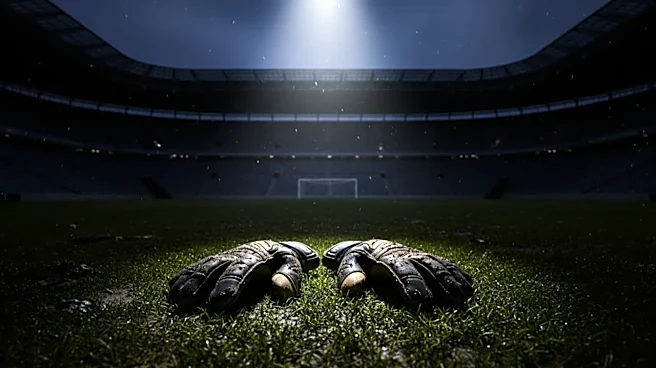
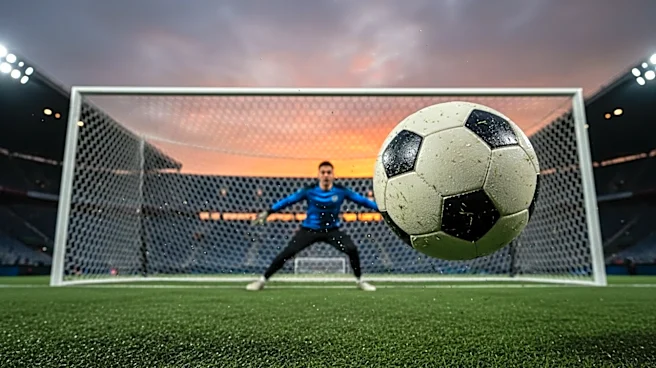
A striker can miss five shots, score one, and be the hero. A defender can make a mistake, knowing a teammate or the keeper is behind them. But for the goalkeeper, there is no one else. They are the last line of defense, an isolated figure whose errors
are almost always magnified into goals. This isolation breeds a unique psychological pressure. They can go for long stretches of a game with no action, only to be called upon to make a match-defining save in a split second. That constant state of high alert, combined with the knowledge that one lapse in concentration can cost everything, creates a heavy mental burden. It is, as many have said, the most mentally intense position on the field.
A Constant Physical Threat
Beyond the psychological weight is a very real, very primal fear: the fear of getting hurt. A goalkeeper’s job is to put their body directly in the path of a ball traveling at high speed. It requires them to dive at the feet of oncoming opponents, challenge for high balls in a crowded penalty area, and brace for impact. Hesitation, born from a fear of getting hurt, is one of the most significant causes of goalkeeping errors and injuries. Every keeper, from the youth leagues to the professional ranks, has to mentally prepare for the likelihood of physical contact and pain. Great goalkeepers aren't those who don't feel this fear; they are the ones who have trained themselves to act decisively in spite of it.
The Weight of Every Mistake
Perhaps the most corrosive fear is the fear of failure. For a goalkeeper, a mistake is not just a personal error; it is a public and often game-changing event. The ball is in the back of the net, the crowd groans or erupts, and all eyes turn to the person in the gloves. This fear of letting the team down can be paralyzing. Confidence issues often stem directly from a fear of making mistakes, leading to indecision and poor performance. Elite goalkeepers are defined by their ability to manage this pressure. They develop routines, use positive self-talk, and cultivate the mental resilience to reset immediately after a goal is conceded. They understand that dwelling on the last play is a recipe for another error.
Forging Fear into Focus
So if all goalkeepers experience fear, what separates the good from the great? The answer lies in how they process it. Top-tier keepers don't eliminate fear—they transform it. They reframe the pressure of a “chance against” as an opportunity to prove their worth. That jolt of adrenaline, which in some can cause panic, is channeled into heightened focus and readiness. This mental toughness is a skill, honed through relentless practice and self-reflection. It's the ability to quiet the negative self-talk and replace it with instructional thoughts like "reset" or "next action." They learn that fearlessness isn't the absence of fear, but the ability to face it head-on and perform regardless. Their greatness is not just in their physical saves, but in their mastery of this internal battle.