








Rejecting the Modern Uniform
The first step in understanding the power of the retro kit is recognizing the problem it solves: the overwhelming commercialism of modern sports apparel. Today’s jerseys are billboards. They’re plastered with sponsor patches on the chest, sleeves, and sometimes
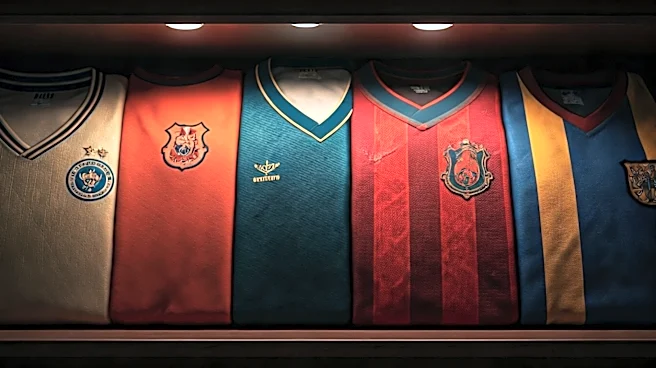
even the collar. They change every single year—often with multiple home, away, and alternate versions—in a relentless cycle designed to extract maximum cash from a loyal fanbase. Buying the newest jersey doesn't signify loyalty so much as participation in a current-season transaction. It says, “I am a consumer of this team, right now.” There’s nothing wrong with that, but it’s a flat, one-dimensional statement. The retro kit, by its very nature, is a rejection of this cycle. It’s an artifact from a time before the hyper-commodification of fandom, when the design itself and the crest on the chest were the main event.
Wearing a Story, Not a Sponsor
A 2024 Lakers jersey says you’re a fan of LeBron or AD. An early ‘80s Showtime-era jersey, with its simple gold-and-purple design, tells a much richer story. It evokes Magic Johnson’s no-look passes, Kareem Abdul-Jabbar’s skyhook, and the glitzy, fast-breaking dynasty that defined an era of basketball. It signals an appreciation for the franchise’s soul. The same goes for any sport. An iconic ‘90s Arsenal or Manchester United soccer jersey, with its wild geometric patterns and billowy fit, isn't just clothing; it’s a time capsule. It recalls legendary players like Thierry Henry or Eric Cantona, iconic goals, and a distinct aesthetic that modern, aerodynamically-optimized designs have abandoned. The wearer isn't just supporting a team; they’re curating a piece of its history. This immediately elevates them above the fan whose knowledge seems to begin and end with the current roster. It creates the impression of a deeper, more considered connection.
The Authenticity Shortcut
In the world of fandom, authenticity is the ultimate currency. Hardcore fans earn it through years of suffering through bad seasons, memorizing stats, and debating obscure tactical decisions. The retro kit offers a shortcut. It’s a sartorial cheat code that instantly frames the wearer as someone who “gets it.” Why? Because it implies longevity or, at the very least, historical reverence. It suggests you were either there for that era or you’ve done your homework. A fan in a 1994 USA World Cup “Denim Stars” jersey doesn’t need to say a word. The jersey itself—once maligned, now iconic—screams that they appreciate the beautiful, weird history of American soccer. It’s a “deep cut,” the fan equivalent of knowing a band’s B-sides, not just their radio hits. This is why it works for the casual fan. It bypasses the need for a verbal quiz on the team’s starting lineup in 1998. The visual statement is so strong that it often goes unchallenged.
It’s About Taste, Not Just Allegiance
Ultimately, the rise of the retro kit is part of a larger cultural trend, sometimes dubbed “bloke-core” or “terrace fashion,” where sportswear aesthetics have been embraced by the wider world of style. Wearing an old soccer jersey or a vintage Champion brand NBA kit isn't just about the team anymore. It's about an aesthetic. It's a fashion choice that telegraphs a certain kind of cool: effortless, knowledgeable, and slightly detached from the hype of the present moment. Choosing a retro kit is an act of curation. You’re not just grabbing the first thing on the rack at the stadium store; you’re selecting a specific piece for its design, its story, and its cultural resonance. This signals a higher level of taste. So, when a casual fan dons a vintage piece, they’re not necessarily trying to deceive anyone. They are aligning themselves with a different kind of fandom—one that values history, aesthetics, and storytelling as much as the final score.