






Panic #1: 'We Have the Same Points!'
This is the classic freakout for new fans. Your team has a win and a loss (three points), and so does the team above you, yet you’re stuck in third place. Welcome to the wonderful world of tiebreakers. In soccer, when teams have the same number of points (three for a win,
one for a draw, zero for a loss), the standings don't just default to alphabetical order. The table uses a hierarchy of rules to sort out the mess, and the first one is almost always the most important concept to grasp: goal difference. Think of it as the tournament’s way of rewarding not just winning, but *how* you win. Barely squeaking by with a 1-0 victory is great, but hammering an opponent 4-0 is even better for your chances of advancing.
Understanding Goal Difference (GD)
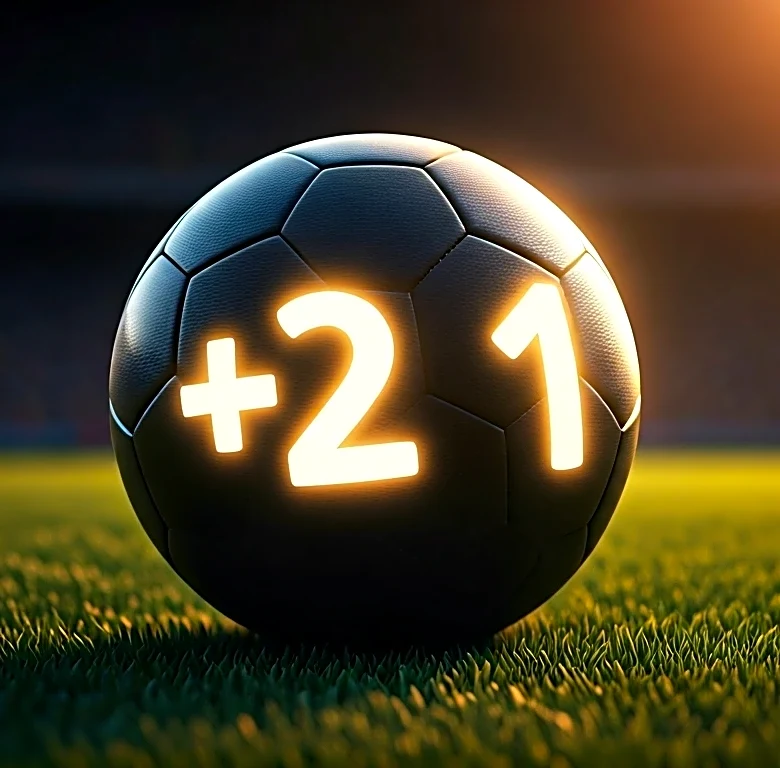
That little ‘GD’ column on the table is your best friend. Goal Difference is simply the number of goals a team has scored minus the number of goals it has conceded across all group games. If your team won 2-1 and lost 0-1, you’ve scored 2 and conceded 2, so your goal difference is 0. If another team also has three points but won 3-0 and lost 1-0, they’ve scored 3 and conceded 1, giving them a goal difference of +2. That’s why they are ranked higher. This rule encourages teams to keep attacking even when they’re already winning and to fight hard to prevent conceding another goal even when they’re already losing. Every single goal matters, creating drama right until the final whistle of every match.
Panic #2: 'The Math Is Different Here!'
Just when you think you’ve got it, you switch from watching the World Cup to the Euros or Copa América and the logic seems to change. You’re not crazy; it does. While FIFA tournaments (like the World Cup) prioritize overall goal difference first, UEFA (Euros) and CONMEBOL (Copa América) often do it differently. In their tournaments, if two teams are tied on points, the first tiebreaker is the head-to-head result. In other words, the outcome of the match played *between those two specific teams* is what matters first. So if the USA and England both have six points, but the USA beat England in their group match, the USA will be ranked higher, regardless of overall goal difference. This makes that direct matchup incredibly important and can lead to some confusing scenarios where a team with a worse goal difference finishes higher.
The Wild Card: Fair Play Points
Okay, so what happens if teams are still tied after points, goal difference, and head-to-head results? Organizers have to keep digging, and things can get weird. One of the most fascinating and brutal tiebreakers is the “fair play” rule. This system literally counts the number of yellow and red cards a team has accumulated. A yellow card might be -1 point, a red card -3 points, and so on. The team with the “cleaner” record (fewer negative points) advances. This isn't just a theoretical rule. In the 2018 World Cup, Japan and Senegal were tied on points, goal difference, and goals scored. Japan advanced to the knockout stage simply because they had received two fewer yellow cards than Senegal over their three games. It’s a brutal way to exit a tournament, and a reminder that discipline on the field can be just as important as scoring goals.
Hope for Third Place
In the past, finishing third in a four-team group meant you were going home. But in many modern, expanded tournaments (like the 24-team Euros or the upcoming 48-team World Cup), there’s a new lifeline. The best-performing third-place teams from across all the groups also get to advance to the knockout stage. This creates a whole new layer of drama and a 'mini-league' of third-place teams. On the final day of the group stage, you’ll see fans anxiously watching games in other groups, hoping another team loses badly so that their team’s record of, say, three points and a -1 goal difference is good enough to be one of the top four third-place finishers. It turns the final day into a massive, interconnected web of possibilities.