

Command the Space, Don't Just Occupy It
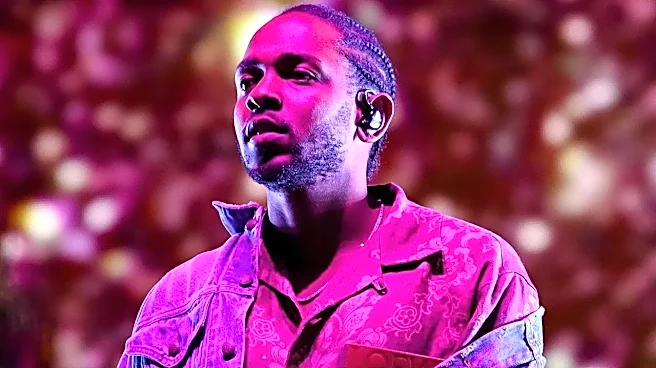
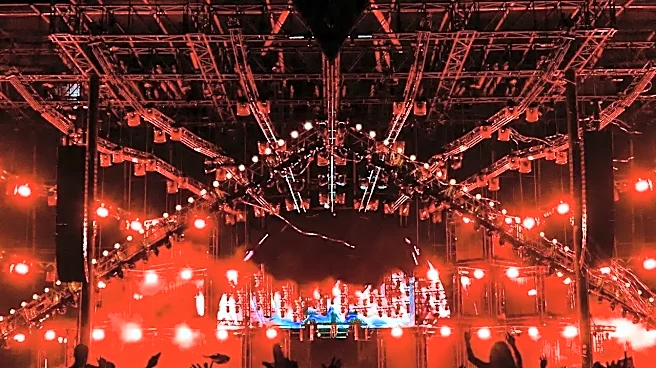
Watch a headliner like Billie Eilish or Tyler, the Creator, and you’ll see they don’t just use the stage—they command every square inch. They own the space, physically and energetically. The best openers understand this principle, even if their stage is smaller
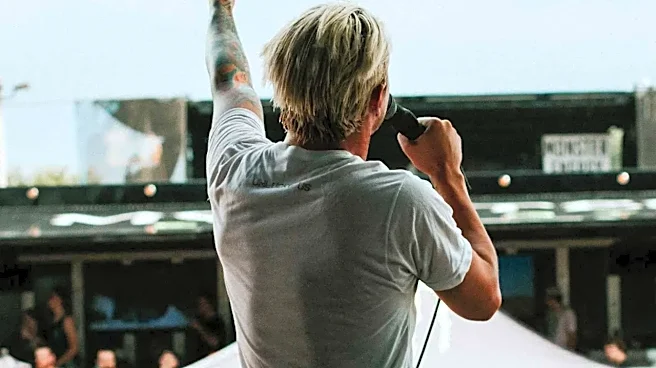
and the crowd is sparse. Instead of being glued to the microphone stand, they move with intention and project confidence that reaches the back of the field. It’s a psychological trick: if the band acts like they belong on the biggest stage, the audience starts to believe it too. This isn’t about ego; it’s about professionalism. Reviews of standout ACL openers often praise their stage presence, noting how they engage the audience and create a dynamic performance, regardless of crowd size. An artist who looks happy to be there, smiles, and makes an effort to connect can win over a distracted audience far more effectively than one who seems defeated by an early time slot.
The Setlist as a Surgical Strike
A headliner has two hours to take an audience on a journey. An opener has about 45 minutes to make a fan for life. There is no time for a slow-burn intro or deep cuts that require context. The best opening acts treat their setlist like a mission. It’s a high-impact, concentrated dose of their most infectious and memorable songs. You start strong to grab attention, place another can't-miss track early to hold it, and close with something that leaves people scrambling to look you up on their phones. Think of it as a movie trailer, not the full film. You want to showcase your sound, give the audience a variety of your best work, and leave them wanting more. This means trimming down the banter between songs and focusing on delivering as much high-quality music as possible. Every moment counts when you're trying to convert someone else's fans into your own.
No Crowd is Too Small to Engage
One of the toughest challenges for an opener is playing to a scattered, half-interested crowd. People are finding friends, getting food, or saving their energy for later. A headliner’s job is to make a crowd of 50,000 feel intimate; an opener’s job is to make a crowd of 50 feel like a party. The best ones don’t get discouraged. Instead, they earn the crowd's respect. They make eye contact, talk to the audience instead of at them, and create moments of connection. This can be as simple as acknowledging the heat with a shared laugh or giving a shoutout to the people who showed up early. Reviews of memorable festival performances often highlight an artist's ability to create a sense of community, no matter the scale. An opener who chastises a noisy crowd has already lost, but one who wins them over with charisma and energy creates a lasting impression.
It's a Show, Not Just a Recital
Playing the songs perfectly is the bare minimum. A headliner understands that a concert is a multi-sensory experience. It involves visuals, choreography, and an overall artistic presentation. While an opening act might not have a headliner's budget for elaborate stage props or lighting rigs, they can still think like a showman. Artists like Doechii have been praised for bringing standout choreography and confident energy to their festival sets, making them impossible to ignore. Even small details, like coordinated outfits or a unique stage prop, can make a performance more memorable. The goal is to give the audience something to watch, not just listen to. A 2025 study found that while few people buy a ticket specifically for an opener, a huge majority arrive early enough to see them. That presents a massive opportunity. An act that delivers a full performance—one that is visually and sonorically engaging—is the one that capitalizes on that opportunity and turns casual listeners into dedicated fans.