






Lionel Messi: The Agonizing Wait for a Crown
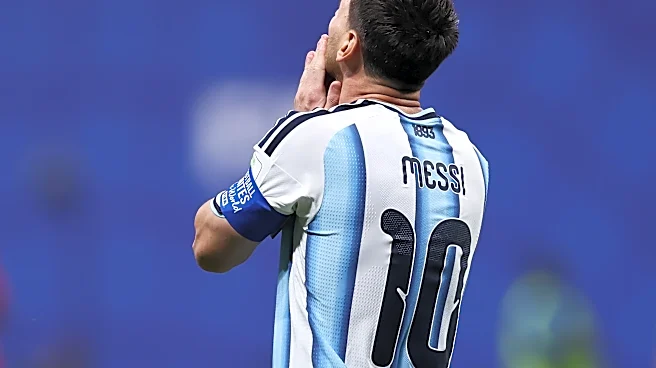
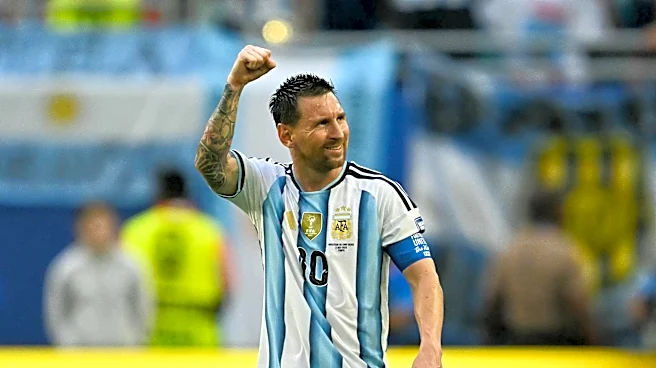
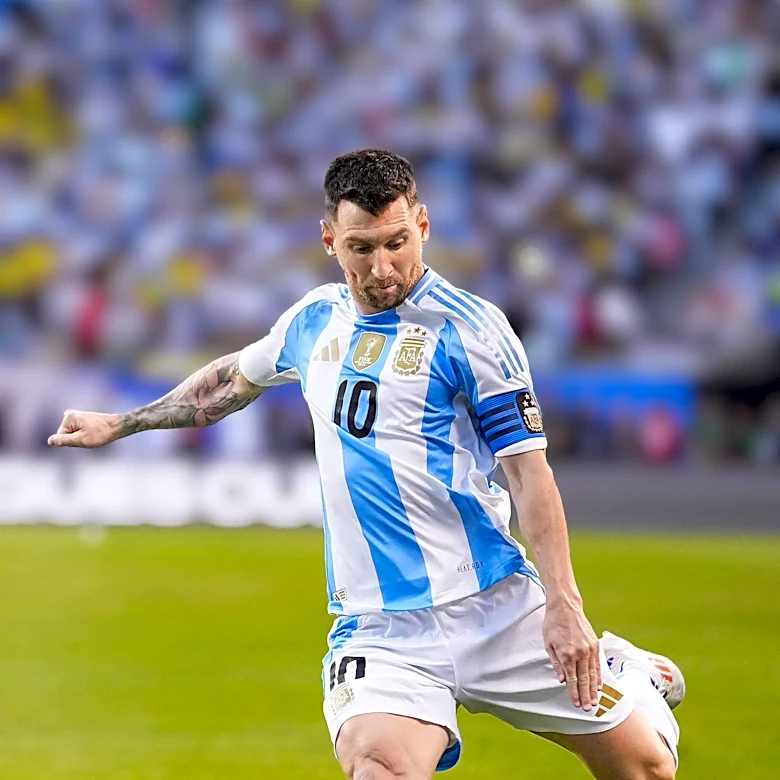
Imagine being called the greatest player of all time for over a decade, winning everything possible for your club, yet constantly falling short for your country. That was Lionel Messi's burden. For Argentina, the World Cup wasn't just a tournament; it
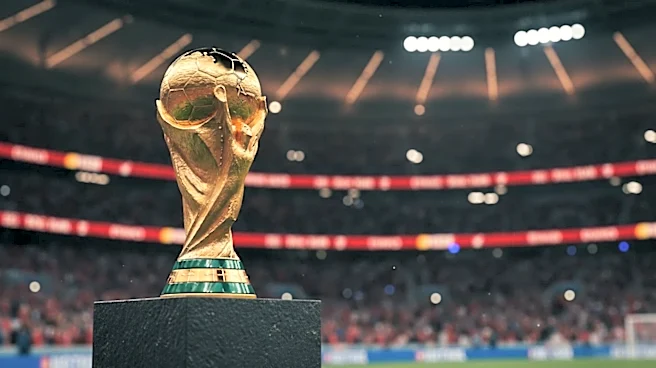
was an obsession, and Messi was the man expected to end a decades-long drought. The pain was immense and public. He led Argentina to the 2014 World Cup final, only to lose to Germany in extra time. He lost back-to-back Copa América finals, even briefly retiring from the national team in 2016 out of sheer frustration. The 2018 World Cup was another disappointment. For years, the narrative was that he couldn't deliver on the biggest stage. But the 2022 World Cup in Qatar was different. At 35, it was his last chance. He played with a fire and fury that captivated the world, scoring seven goals, including two in a breathtaking final against France. When he finally lifted that golden trophy, it wasn't just a victory; it was the completion of a life's work, a story of perseverance that silenced every doubt and cemented his legacy forever.
Ronaldo Nazário: From Mystery Collapse to Ultimate Triumph
Before the 1998 World Cup final in Paris, Brazil’s Ronaldo was the most terrifying force in football, a 21-year-old phenomenon destined for glory. Then, hours before the match against France, disaster struck. He suffered a convulsive fit, was mysteriously removed from the team sheet, and then reinstated at the last minute. A clearly unwell Ronaldo was a ghost on the field, and Brazil lost heavily. The incident became one of football's biggest mysteries. His career was then derailed by catastrophic knee injuries that kept him out for nearly three years. Many thought he was finished. But he returned for the 2002 World Cup with something to prove. He lit up the tournament, scoring eight goals to win the Golden Boot. In the final against Germany, he scored both goals in a 2-0 victory, securing Brazil's fifth World Cup. It was a breathtaking comeback, a story of a player who went from the lowest point of a mysterious public failure and career-threatening injuries to reclaim his throne as the best in the world.
David Beckham: From National Villain to England's Hero
In 1998, David Beckham was a budding superstar, but a moment of petulance made him England's most hated man. In a tense knockout match against bitter rivals Argentina, Beckham, lying on the ground after a foul, flicked his leg out at Diego Simeone. Simeone exaggerated the contact, the referee showed a red card, and England, down to 10 men, eventually lost on penalties. The English press was merciless, with one newspaper even printing his face on a dartboard. Beckham faced nationwide abuse and death threats. For four years, he was booed in stadiums across his own country. Then came the 2002 World Cup. In a moment that felt like it was scripted by Hollywood, England was drawn in the same group as Argentina. Late in the first half, England won a penalty. The pressure was unimaginable. Beckham, now the captain, stepped up and smashed the ball into the net. It was the only goal of the game. He ran to the corner, screaming with a look of pure, unadulterated release. It wasn't just a goal; it was four years of anger, shame, and resilience exploding in a single moment of perfect revenge.
Roberto Baggio: The Divine Ponytail's Painful Penance
Roberto Baggio, with his iconic ponytail, was the soul of Italy's 1994 World Cup team. He single-handedly dragged them to the final against Brazil, scoring five goals in the knockout stages. The final itself was a tense, scoreless draw that went to a penalty shootout—the first in World Cup final history. When it came down to Italy's final kick, their fate rested on the feet of their best player. Baggio had to score to keep Italy's hopes alive. He stepped up, and in a moment that would haunt him forever, skied his penalty over the crossbar. Brazil were champions, and the lasting image of the tournament was of Baggio standing at the penalty spot, head bowed in disbelief. He later called it a "wound that never closes." Four years later, at the 1998 World Cup, Baggio returned. In Italy's first game, they were awarded a late penalty. Despite the ghosts of 1994, Baggio insisted on taking it and coolly scored. Though Italy didn't win the tournament, for Baggio, that goal was a personal triumph—a moment of courage and a small measure of peace after carrying an impossible burden for four years.