






A Familiar Face Is a Trusty Anchor
In a sea of unknown titles and vague, algorithm-generated descriptions, a familiar cast is a beacon of hope. You may not know if the plot of “Sterling Point” or “Lanterns” will hold your attention, but you do know you’ve enjoyed a certain actor’s work
for years. Their presence serves as a quality-control shortcut, a silent promise that, at the very least, a certain level of professionalism will be on display. When writers can focus on different characters across episodes, it offers flexibility and a richer narrative tapestry. This is especially true for ensemble casts, which allow for a more nuanced exploration of different perspectives. Choosing to watch based on an actor is not a shallow decision; it's a calculated risk based on past performance. You're betting on a known quantity in a field of variables.
You're Betting on Chemistry, Not Just Plot
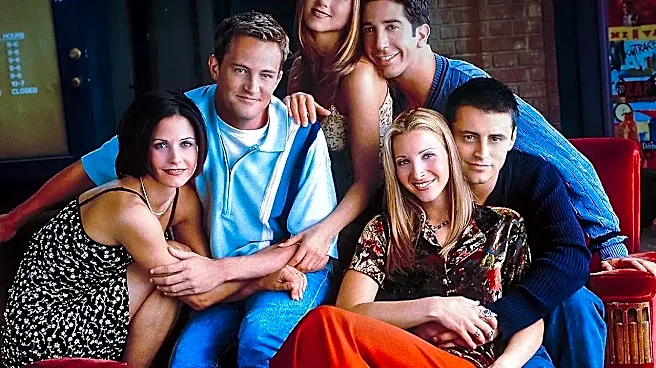
A middling script can be elevated to greatness by actors who share an undeniable spark. Think of some of television’s most iconic shows; often, what we remember most isn't a specific plot twist but the dynamic between the characters. The chemistry between the cast of “Friends,” for example, made simple coffee shop conversations feel like event television. When you press play on a new show because it stars two actors you love, you aren't just hoping the story is good. You're making a more specific wager: that their interaction will be compelling enough to carry the show, regardless of its other merits. A great ensemble provides a rich tapestry of perspectives, making the story more engaging for a wider audience. It’s a bet on performance and relationship, which is often the true heart of storytelling.
Sometimes, the Performance Is the Point
Let’s be honest: not every show can be a masterpiece. Some are destined to be forgettable, a pleasant-enough way to fill a few hours. In these cases, watching a talented performer navigate a clunky script or a one-dimensional character becomes its own form of entertainment. There's a unique pleasure in seeing a great actor work, finding nuance where there is none, and delivering a questionable line with unearned conviction. They can make even a thinly sketched character feel three-dimensional and real. The show itself becomes a secondary concern, a mere vehicle for the specific joy of watching a master at their craft. In these instances, you aren't watching the show despite its flaws; you're watching to see how a professional transcends them.
It’s a Low-Stakes Search for Your Next Favorite
The late-summer TV season is notoriously low-pressure. Unlike the high-stakes, FOMO-inducing premieres of the fall, August releases often feel like optional-credit assignments. There’s little danger of being left out of the pop-culture conversation if you miss one. This creates the perfect environment for discovery. Using a favorite actor as your guide is an excellent, low-investment way to sample what's out there. If the show is a dud, you've lost nothing but a little time and can move on. But if it’s a hidden gem, you’ve stumbled upon your next obsession based on a simple, reliable hunch. It allows you to feel connected to the characters and invested in their journeys without the pressure of keeping up with a cultural phenomenon.