


From All-Nighter to Almost Sacred
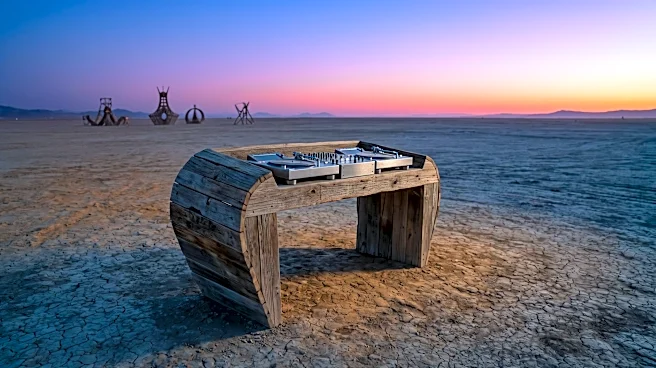
For many, the climax of a night at Burning Man isn't the headlining DJ set at 2 a.m., but the one that accompanies the dawn. As the relentless pulse of nighttime techno softens, a different kind of energy takes over. DJs known for these sunrise sessions
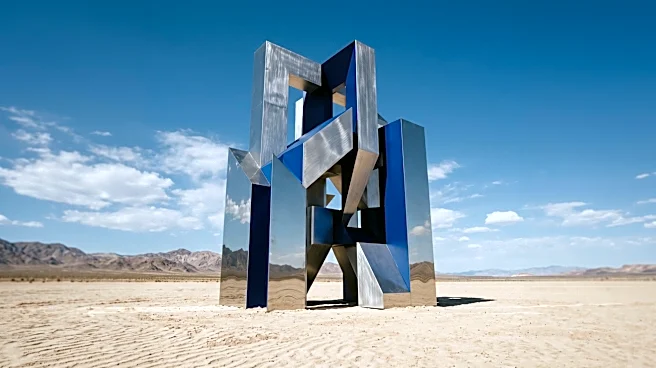
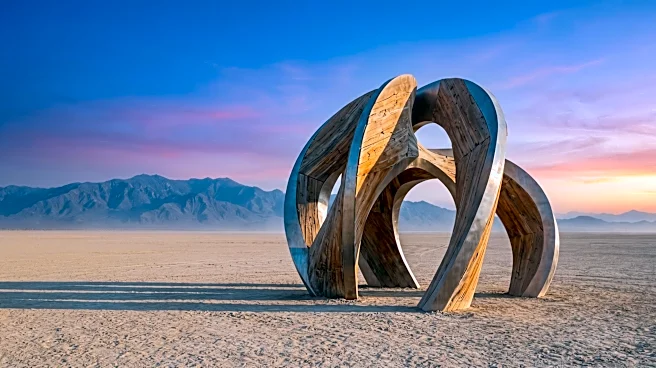
trade hard-hitting beats for melodic, emotive soundscapes that feel custom-made for the moment. The crowd, a mix of weary dancers and early risers, turns eastward. It’s a collective exhalation, a shared moment of awe as the first rays of sun cut across the horizon, illuminating the wild art installations scattered across the desert. This isn't just the end of a party; it’s a transition. What was a dance floor becomes a space for reflection, connection, and a quiet, communal reverence for the new day. In a place defined by radical self-expression, this shared, unspoken ritual has become one of its most profound traditions.
The Architects of Dawn
Certain DJs have become synonymous with the Burning Man sunrise. Artists like Tycho and Lee Burridge are renowned for their annual dawn performances, which are considered by many to be essential pilgrimage points. These sets are often recorded and shared online, becoming cherished artifacts for those who were there and a window into the experience for those who weren't. The musical curation is key. Tracks are often ambient, cinematic, and build slowly, designed to complement the changing light and the introspective mood of the crowd. It’s a stark contrast to the high-octane sensory overload of the night. For years, legendary figures like Carl Cox have also played a significant role, with sunrise sets that become legendary markers of the entire event. These DJs aren't just playing records; they are facilitating a collective emotional journey, using music to bridge the gap between the chaotic energy of the festival and a moment of shared peace.
A Search for Modern Ritual
So why does this moment resonate so deeply? In an increasingly secular and digitally mediated world, many people crave genuine connection and shared, meaningful experiences. Festivals, particularly immersive ones like Burning Man, provide a space for what sociologists call “collective effervescence”—a feeling of deep unity and of being part of something larger than oneself. The hardship of the desert environment—the dust, the heat, the physical exhaustion—strips away daily pretenses and fosters a powerful sense of camaraderie. In this context, the sunrise becomes more than just a beautiful sight. It's a secular-spiritual ritual. It marks survival through the cold night and the promise of a new day. For many attendees, these moments fulfill a deep human need for ceremony and belonging, offering a sense of personal growth and improved well-being that can last long after the dust has settled.
More Than Just a Party
While Burning Man has official ceremonies, like the burning of the Man and the Temple, the sunrise rituals are entirely organic and participant-driven. There are no rules, only a shared understanding. Some people sit in quiet contemplation, others embrace friends or strangers, and many continue to dance, but with a renewed, more serene energy. It’s a practice in presence, a collective decision to pause and appreciate a simple, natural event in an environment built on complex human creativity. This micro-trend highlights a shift in festival culture, where the goal isn't just escapism and hedonism, but also connection and introspection. The experience is about finding a moment of peace and humanity amidst the beautiful chaos, turning an ordinary astronomical event into what many describe as a sacred spectacle.