





The Defensive Shape as The Infield Shift
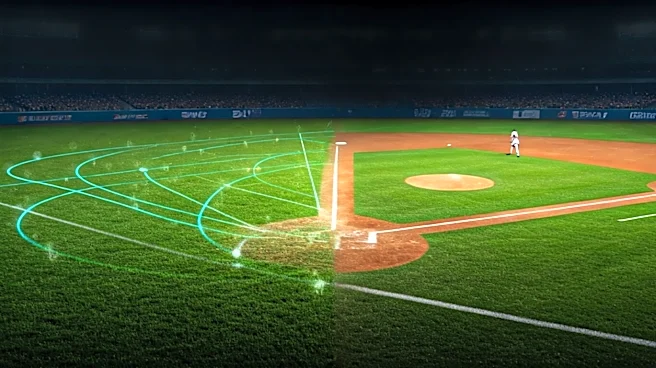
In baseball, you’ve seen teams load up one side of the infield for a dead-pull hitter. The second baseman plays in shallow right field, the shortstop shades over. They aren't abandoning their positions; they're moving as a coordinated unit to take away
the most likely outcome. That’s a soccer defense in a nutshell. When you see a team’s back line of four defenders move left, right, up, and back in perfect unison, they are maintaining their “shape.” Like the infield shift, they are moving together to shrink the field, cut off passing lanes, and force the offense into a less dangerous area. If one defender steps out of line, a gap opens up—the equivalent of a ground ball shooting through the space where the shortstop *used* to be. The whole system relies on discipline and moving as one.
Zonal Marking is Playing the Outfield
An outfielder doesn't follow a specific batter into the dugout. They are responsible for a zone—a patch of grass. Anything hit into their zone is their responsibility. This is the essence of zonal marking, the most common defensive system in modern soccer. Each defender is responsible for a specific area of the field. When an attacker enters their zone, they become that defender’s problem. When the attacker leaves, they are “passed off” to the next defender whose zone they enter. It’s a fluid, efficient system that conserves energy and maintains the team’s overall defensive shape. It’s all about protecting spaces, not just chasing a single player around the field. Next time you see defenders pointing and shouting, they are often communicating these hand-offs, just like outfielders calling “I got it!”
Man-Marking is Pitching to a Slugger
While zonal defense is the default, sometimes a situation demands a more personal touch. Think about how a catcher and pitcher strategize for one specific, game-changing slugger. They might exclusively throw him low and away, refusing to give him anything to pull. That singular focus on neutralizing one threat is man-marking. In soccer, a coach might assign their best, most tenacious defender to shadow the opponent's star striker for the entire 90 minutes. Their only job is to deny that one player space, time, or the ball. You’ll see this on corner kicks, where defenders pair up with specific attackers, but it’s most dramatic in open play. It’s a physically and mentally draining job, and while it can neutralize a star, it can also pull your own defense out of shape if the marked player is clever enough to drag their defender into useless positions.
The High Press vs. The Low Block
These are two sides of the same coin, representing a team's overall aggression. The “low block” is baseball’s “infield in.” With the winning run on third, you pull your infielders onto the grass to cut off any ground ball. You’re sacrificing range for immediate protection of the most critical area: home plate. In soccer, a low block (or “parking the bus”) means pulling all your defenders deep into your own third of the field, clogging the area in front of the goal. It’s ugly, but it dares the opponent to find a perfect, tiny hole to shoot through. The opposite is the “high press.” This is like a team that’s constantly trying pick-off plays and pitchouts—aggressive, risky moves to create a mistake before the batter can even get comfortable. A high-pressing soccer team hounds the opponent's defenders the moment they get the ball, trying to force a bad pass or a turnover in a dangerous area far from their own goal. It’s high-risk, high-reward, and requires immense stamina.