

From Humble Frights to Cinematic Worlds
What began in 1991 at Universal Studios Florida as a modest, three-night affair with a single haunted house has exploded into a multi-month, multi-park behemoth. Early on, the goal was simple: scare people. But over three decades, the ambition ballooned.
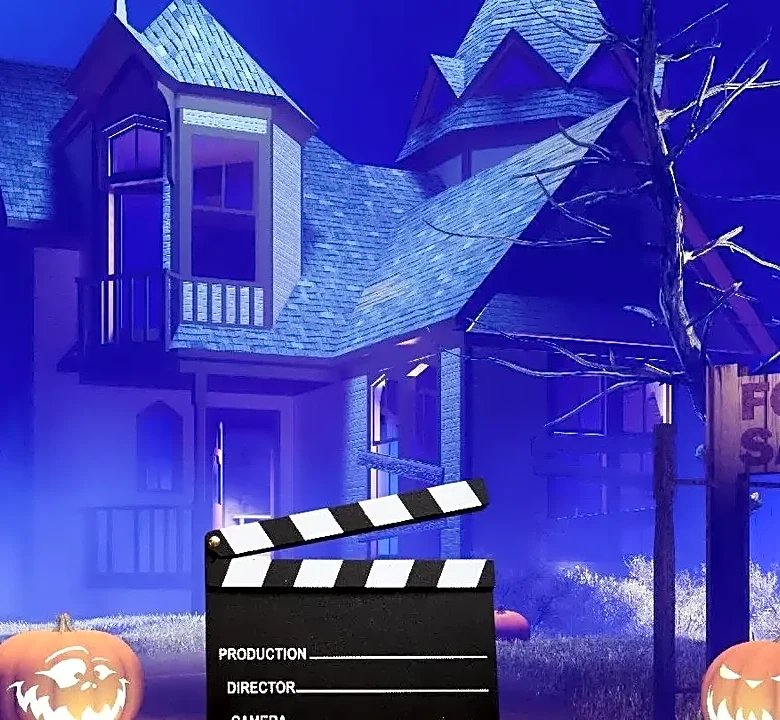
Today, Halloween Horror Nights (HHN) is less a collection of scare zones and more a series of interactive, short-form horror films you physically walk through. The creative teams behind the event talk about their work not in terms of startling guests, but in terms of storytelling, world-building, and production design. Each haunted house—or "maze"—is a meticulously crafted narrative experience, using elaborate sets, theatrical lighting, and custom soundscapes to immerse you in a story, not just a series of jump scares.
The Hollywood IP Treatment
A huge part of HHN's genre-defining power comes from its deep integration with intellectual property (IP). While the event introduced its first IP house back in 1992 with "The People Under the Stairs," today's iterations bring blockbuster film and TV franchises to life with stunning fidelity. Fans can literally walk onto the sets of shows like "Stranger Things" or into the worlds of horror icons like Michael Myers. This isn't just licensing a name; it's a new form of media adaptation. For fans of a specific horror property, it’s the ultimate immersive experience—a way to live inside the story they love. This transforms the event from a generic Halloween scare-fest into a must-see destination for film and television buffs, blurring the lines between watching a story and participating in it.
Creating Its Own Stars and Lore
But to dismiss HHN as merely a vessel for existing Hollywood properties would be a massive mistake. The event's most passionate fans often reserve their deepest affection for the original houses and characters created by Universal's own creative teams. Over the years, HHN has developed a rich mythology populated by its own iconic figures, like the maniacal Jack the Clown, the sinister Storyteller, and the terrifying Caretaker. These characters have complex backstories that evolve year after year, creating an original universe that fans dissect and celebrate. The debate between favoring IP houses versus original concepts is a constant, lively discussion within the fan community, proving that the event's homegrown creations are just as, if not more, compelling than established horror franchises.
A Fandom That Never Sleeps
Perhaps the most compelling evidence for HHN's status as its own genre is the culture that surrounds it. The event may only run for two months in the fall, but the fandom is a 365-day-a-year affair. Speculation for the following year's event begins the day the current one closes. A thriving ecosystem of podcasts, blogs, and social media communities dissects every rumor, announcement, and merchandise drop. Universal itself has leaned into this, producing official behind-the-scenes content and even narrative podcasts that expand on the lore of the houses. This year-round engagement, akin to the passionate fanbases of major comic book universes or TV epics, demonstrates that HHN is not just something people attend; it's a hobby, a community, and a core part of their entertainment diet.