




It’s Not Just a Game, It’s My Team
At the heart of intense fandom is a powerful psychological principle: social identity theory. Your team isn't just a team; it's an extension of you. Researchers note that people naturally gain self-esteem and a sense of belonging from the groups they
identify with. A sports team provides a modern, accessible version of a tribe. When your team wins, your brain’s reward centers light up, releasing dopamine as if you personally achieved the victory. That makes the rival team more than just an opponent—they become the “out-group,” a clear “us vs. them” dynamic that strengthens your loyalty to your own. Criticism of the team can feel like a personal attack, and their success feels like your own, which is why a match against a rival, even with low stakes, feels deeply personal.
The Weight of History
Many of the most intense rivalries in international soccer are layered with decades, or even centuries, of off-the-field history. Clashes between nations are often proxies for deeper political, cultural, or religious divides. Think of Scotland's Old Firm derby between Celtic and Rangers, a rivalry steeped in religious and cultural differences between Irish Catholic and Protestant communities. Or consider El Clásico between Real Madrid and Barcelona, which symbolizes the political tension between Spanish centralism and Catalan pride. These historical narratives are passed down through generations of fans, embedding themselves in the fabric of the matchup. A group stage game isn't just 90 minutes of soccer; it’s another chapter in a long, ongoing story, and for fans, the need to win this symbolic battle is immense.
The Performance of Passion
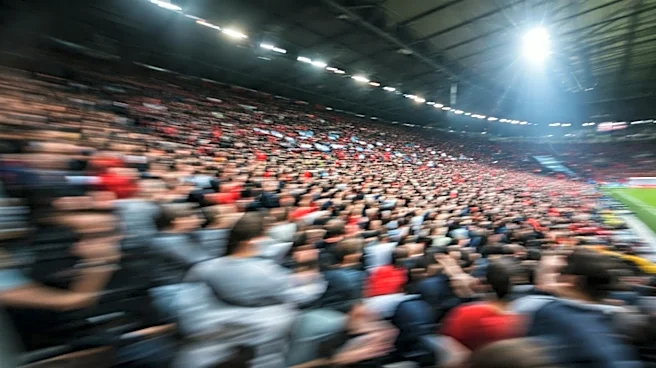
The dangerous feeling often comes from the organized, performative passion of fan groups, particularly “ultras.” Originating in Italy, these groups are not just spectators; they are active participants dedicated to creating an electric and intimidating atmosphere. Through coordinated chants, massive choreographed displays known as “tifos,” and the use of flares and smoke bombs, they turn sections of the stadium into a cauldron of noise and color. This isn't just for show. The primary goal is to encourage their own team while actively intimidating opposing players and their supporters. For ultras, supporting the team is a lifestyle and an identity, and the match is their stage. This visual and audible warfare creates a palpable sense of hostility that can make even a neutral observer feel on edge.
The Group Stage Paradox
So why does this intensity peak during the group stage, when the ultimate prize is still distant? The group stage is the first test of national pride on the world’s biggest stage. After years of waiting for a major tournament, the pent-up energy is enormous. A loss, even one that doesn't mean immediate elimination, is a blow to the collective identity that has just been activated. Furthermore, the group stage format guarantees these high-stakes encounters. Unlike a random knockout draw, tournaments are often seeded in ways that can pit historic rivals against each other early on, ensuring a blockbuster atmosphere. It's the first opportunity to assert dominance over a rival, to prove that “we” are superior to “them” on the global stage. This initial battle sets the tone for the entire tournament, making every goal and every tackle feel monumental.