






The 'Cost-Per-Wear' Secret
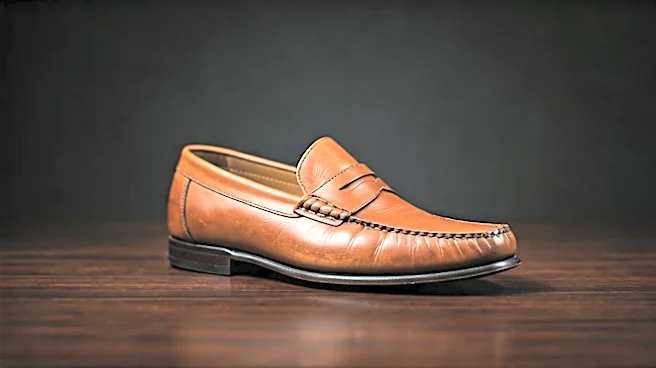
Let’s talk about a simple but powerful concept: cost-per-wear (CPW). Think of it as a mental hack to reframe how you look at price tags. Instead of seeing a $300 pair of loafers as a one-time hit to your wallet, CPW asks you to divide the price by the number
of times you’ll realistically wear the item. A high up-front cost doesn’t sting as much when you realize it’s spread over years of use, not just a few seasons. This isn't about being rich; it's about being smart. It’s the difference between short-term spending and long-term investment. Fast fashion thrives on our impulse for the immediate low price, but it falls apart when you apply the CPW lens. Suddenly, that 'bargain' starts to look a lot more expensive.
Running the Numbers on Loafers
Let’s make this concrete. Imagine a pair of trendy, synthetic loafers for $60. They look good for about a season. You wear them 30 times before the sole starts flapping, the fake leather scuffs beyond repair, and they get relegated to the back of the closet. Your cost-per-wear is $2 ($60 / 30 wears). The next year, you repeat the cycle. Over three years, you’ve spent $180 on disposable shoes. Now, consider a pair of classic, well-constructed leather loafers for $350. The price feels steep. But these are built to last. The leather molds to your foot, they can be resoled, and the timeless style means they never look dated. You wear them 100 times in the first year alone. Suddenly, your CPW is $3.50. After three years and 300+ wears, you’re down to about $1.15 per wear—and they still look great. By year five, you’re paying pennies to wear a shoe that feels, looks, and wears infinitely better than its cheap counterpart. You’ve not only saved money but also the hassle of constantly shopping for replacements.
What Makes a Loafer 'Better' Anyway?
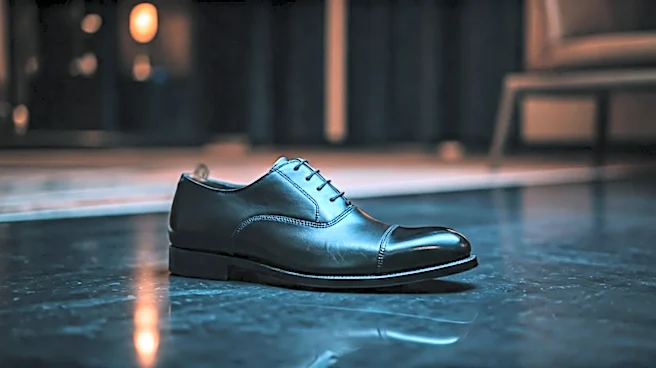
The term 'better' isn't just about a brand name. It's about tangible qualities you can see and feel. First, look at the material. Full-grain leather is the gold standard; it breathes, ages beautifully, and conforms to your foot. Cheap shoes often use 'genuine leather'—which is a low-grade composite—or plastic-based synthetics that trap sweat and crack easily. Next, check the construction. The best shoes are stitched, not glued. A Goodyear welt or a Blake stitch means the sole is attached in a way that makes it durable and, crucially, replaceable by a good cobbler. A glued-on sole is a death sentence; once it goes, the shoe is usually done. Finally, consider the insole and lining. A leather-lined shoe with a supportive cork or leather footbed offers far more comfort for all-day wear than a flimsy foam insert.
Beyond the Bottom Line
The case for buying better isn’t just financial. There’s a quiet confidence that comes from wearing something well-made. A quality loafer doesn't just complete an outfit; it elevates it. The structure, the subtle patina of aged leather, and the solid feel underfoot communicate a sense of intention and self-respect. Furthermore, there's the sustainability angle. Buying one pair of shoes that lasts a decade instead of ten pairs that end up in a landfill is a meaningful way to reduce your personal consumption and waste. It’s a move away from the disposable mindset that dominates modern consumer culture and a return to valuing craftsmanship and longevity. You're not just buying a shoe; you're curating a wardrobe that lasts.