

From 'It' Items to Cohesive Systems
For the past several years, fashion has been dominated by the 'viral piece'. Think of the must-have shearling-lined flight jacket, the impossible-to-get handbag, or the specific shade of purple that suddenly floods your social media feeds. These items
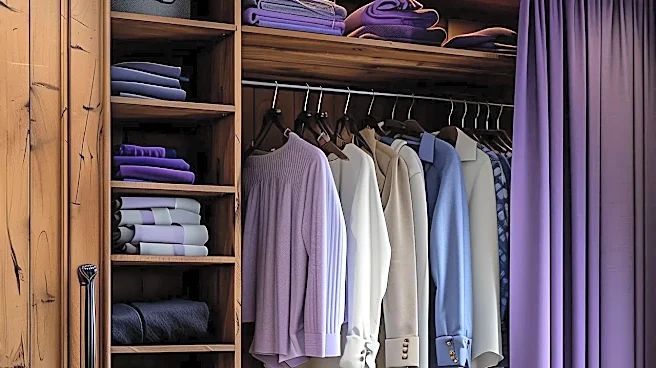
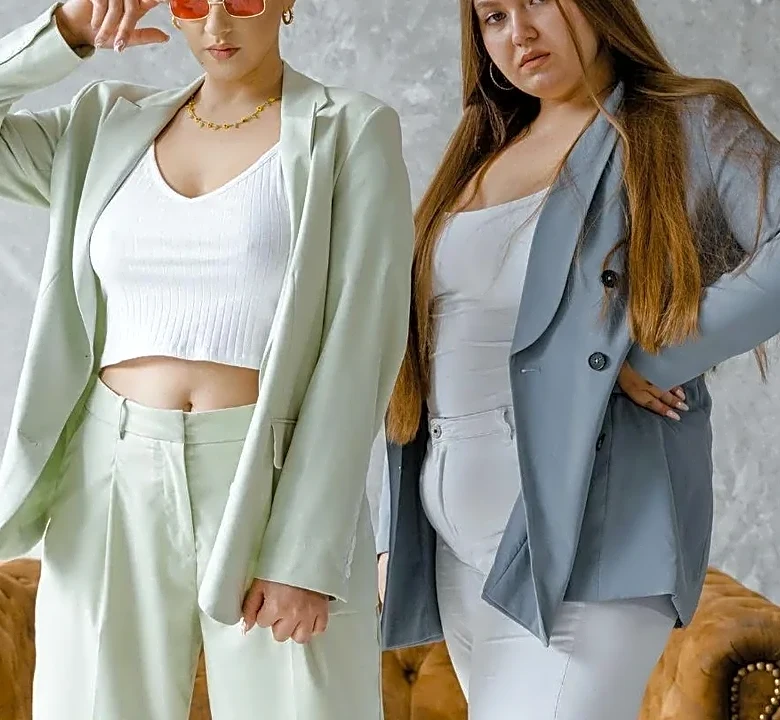
deliver a quick hit of trend-driven dopamine but often have a short lifespan, leaving wardrobes feeling disjointed. Now, a different philosophy is taking root, particularly on the influential runways of Paris: the 'wardrobe system'. This approach prioritizes a collection of clothes designed to work together seamlessly. Instead of a single 'It' item, the focus is on perfectly tailored trousers, versatile coats, and knitwear in complementary colors that can be layered and combined in multiple ways. The goal isn't just to sell a single product but to offer a thoughtful, cohesive vision for dressing that has longevity.
A Reaction to Digital Burnout
So, why the shift? In many ways, it's a direct response to the relentless pace of the internet. The ultra-fast fashion cycle, where trends appear and disappear in a matter of weeks, has led to consumer fatigue and overflowing closets. People are becoming more aware of the environmental and financial costs of constantly buying into the next big thing. This has fueled the evolution of 'quiet luxury', a movement that values craftsmanship, quality materials, and subtle sophistication over flashy logos and fleeting trends. As consumers seek more intentional and sustainable ways to dress, designers are responding with collections that feel less like a reaction to a TikTok moment and more like a long-term investment in personal style. The emphasis is on clothes that solve a real problem: making getting dressed simpler and more satisfying.
What This Looks Like on the Runway
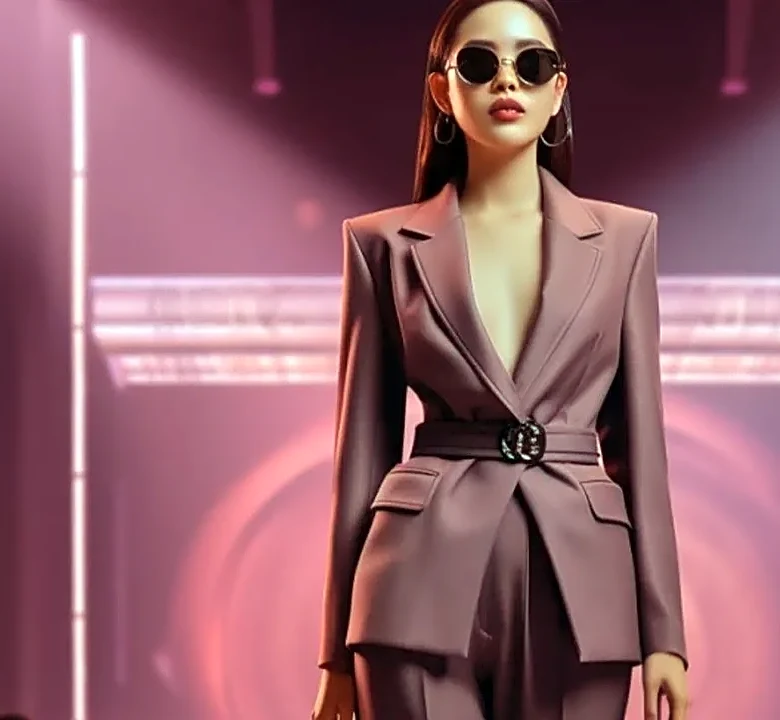
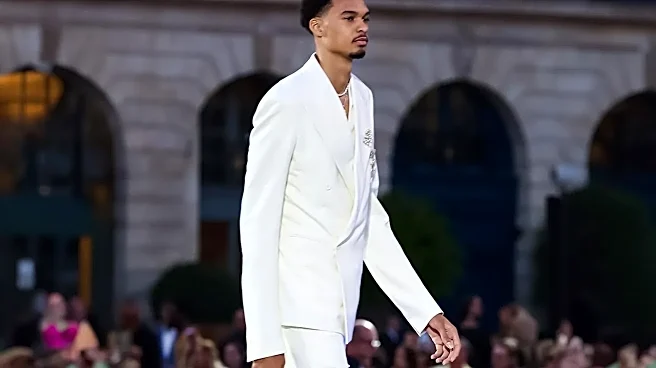
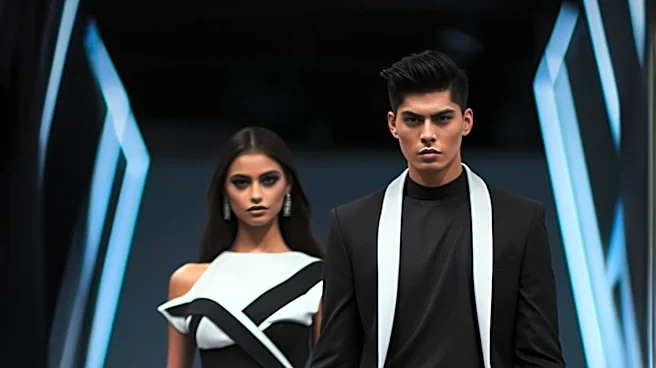
During the recent Fall/Winter 2026 and Spring/Summer 2027 shows in Paris, this new mood was palpable. The data shows a significant rise in foundational pieces like tailored pants and wide-leg trousers. Collections were described by critics as more 'technically sound' and 'destined for consumer wardrobes'. Designers focused on creating a complete 'wardrobe of collectibles', giving a real reason for each item to exist beyond just being new. We saw this in the focus on funnel-neck coats for versatility, the emphasis on luxurious but practical fabrics, and the use of restrained color palettes like charcoal, navy, and camel. Even accessories are part of the system; instead of a single statement bag, the idea is to have 'the right bags' in 'small amounts to get it right'. It’s a vision of fashion that is self-assured and edited, built for real life rather than just for the camera.
Building Your Own Wardrobe System
The good news is that this philosophy is incredibly accessible and can be applied to any budget. It starts with a simple mindset shift: stop buying 'outfits' and start collecting versatile pieces. Before purchasing something new, ask yourself if you can style it with at least three items you already own. Focus on the fundamentals that make clothes great: fabric quality, fit, and construction. Identify your personal 'uniform'—the silhouettes you feel most comfortable in—and invest in the best versions of those you can. This might be a collection of well-made blazers, perfect-fitting jeans, or elegant knitwear. The goal isn't a boring or minimalist closet, but one where every item is a 'yes', making the daily act of getting dressed feel effortless and empowering, not stressful.