




Function Is the Ultimate Luxury
Before a single thought is given to color or brand, a skier’s outfit is a highly engineered system. The fashion press might highlight a luxury brand's logo, but a seasoned skier is looking at taped seams, breathability ratings, and whether the fabric
is a two- or three-layer Gore-Tex. This isn't just gearhead jargon; it's the difference between a great day and a miserable, or even dangerous, one. A jacket that isn't waterproof can become saturated and heavy, leaching warmth. Pants without articulated knees restrict movement. A hood that doesn’t fit over a helmet is useless. The true luxury on a mountain isn’t a designer label, but a down jacket that keeps you warm at -20°C or a shell that cuts through freezing wind without making you sweat on the inside. In this world, performance is the most coveted design feature.
The Unspoken Language of the Lifts
On a crowded lift line, outfits speak volumes before anyone says a word. They are tribal signifiers, broadcasting your identity and skill level. That skier in faded, high-end shell pants and a technical jacket from a core brand like Arc'teryx or Norrøna? Likely an expert who spends 50 days a year on the snow. The crew in baggy, canvas-like pants and oversized hoodies is probably headed for the terrain park. Meanwhile, a group in matching, brightly colored suits might be on their annual vacation, there for the fun and camaraderie. This visual shorthand is part of the sport's rich culture. It helps people find their tribe and navigate the social landscape of the resort. Your gear tells a story of your relationship with the mountain—whether you're there to push limits, land tricks, or simply enjoy the view with friends.
A Suit of Psychological Armor
There's a well-documented phenomenon called "enclothed cognition," where the clothing a person wears influences their psychological processes and performance. This is powerfully at play in skiing. The ritual of pulling on base layers, mid-layers, and a protective outer shell is a mental preparation. It’s the act of putting on a uniform, which studies have shown can increase focus and a sense of belonging to a group. The right gear can make you feel more capable and confident. Feeling protected from the elements allows you to focus on the skiing itself—the turn, the line, the speed. It’s a suit of armor that frees the mind by safeguarding the body, letting you commit to the physical challenge ahead with less hesitation.
When Style Is a Safety Feature
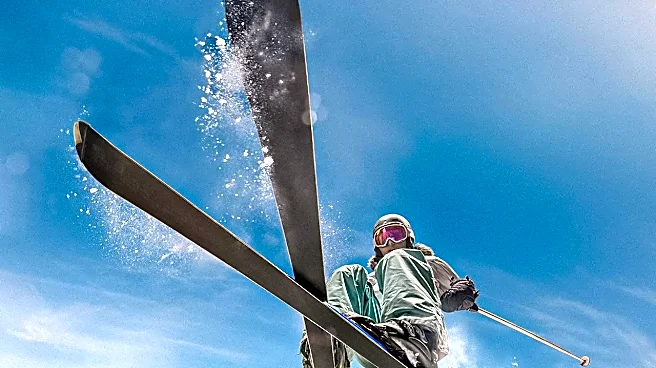
While fashion often prioritizes subdued, elegant colors, ski slopes are one place where bright and loud can be a matter of life and death. A flash of neon yellow or hot pink makes a skier visible in a whiteout or from a chairlift above. Spotting a friend in the trees or identifying a fallen skier from a distance is far easier when they’re a pop of color against a white expanse. This is style with a crucial function. Furthermore, modern ski apparel incorporates safety features directly into the design, like pockets specifically sized for avalanche transceivers or jackets embedded with RECCO reflectors that help rescue teams locate someone buried in snow. The choice of what to wear isn't just about personal expression; it's a critical safety calculation.