
The Myth of Monochrome Minimalism
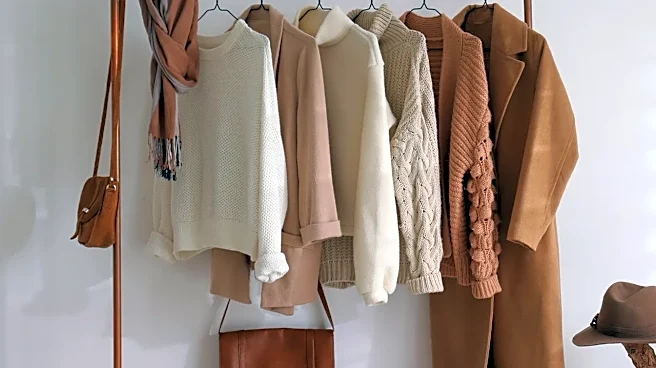
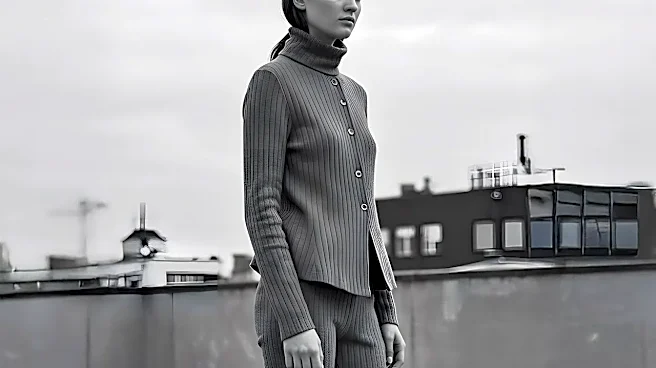
Picture classic Scandinavian style. You’re likely imagining clean lines, high-quality fabrics, and a color palette of black, white, beige, and gray. This aesthetic, born from a design philosophy of simplicity,
functionality, and restraint, has dominated global fashion for decades. It’s a look that’s practical, timeless, and undeniably sophisticated. For a long time, the ideal Danish outfit was about investment pieces, thoughtful layering for unpredictable weather, and an overall sense of effortless polish. The goal wasn't to stand out, but to blend in beautifully, with quality and tailoring speaking louder than bright hues or bold prints. This was the Copenhagen classic: elegant, understated, and above all, controlled.
Enter Dopamine Dressing, Scandi-Style
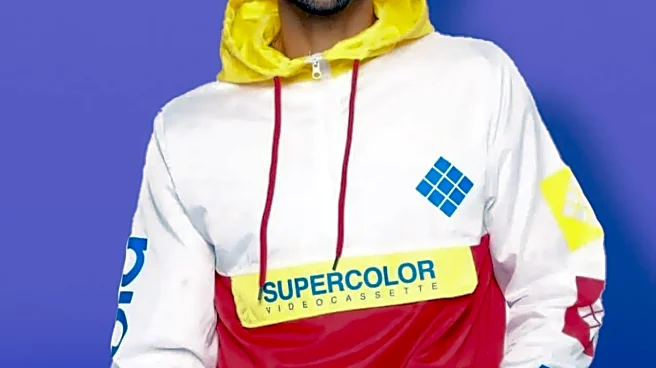
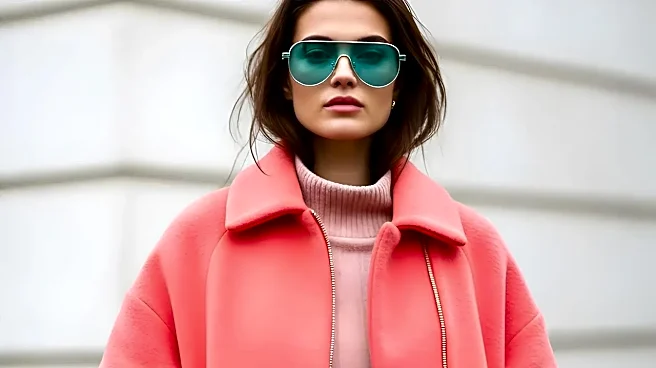
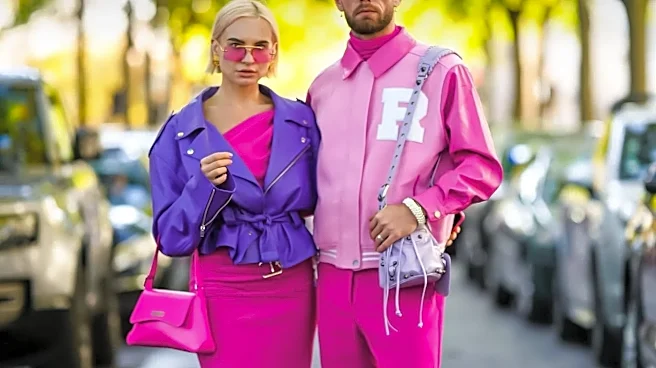
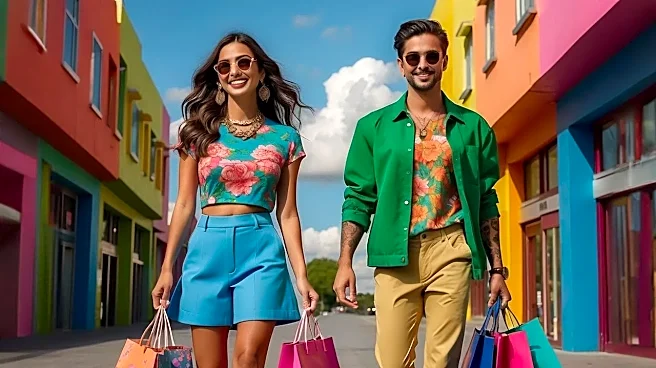
Lately, however, the city's famous street style has become a lot less predictable. During recent Copenhagen Fashion Weeks, the sidewalks have exploded with punchy prints, dramatic silhouettes, and vibrant colors. Think tomato red, butter yellow, and cobalt blue taking center stage. This is the new guard of Copenhagen style, and it's anything but quiet. Younger fashion enthusiasts are trading muted tones for what's often called "dopamine dressing"—using clothes to create a sense of joy and optimism. The aesthetic is maximalist, embracing clashing patterns, playful layers like skirts over pants, and quirky accessories. It’s a curated and expressive kind of excess, one that celebrates individuality over uniformity.
A Rebellion Against Restraint
So, why the dramatic shift? For Gen Z, this embrace of maximalism is a direct reaction against the minimalist monotony that defined the previous generation's taste. The sleek, decluttered, and often sterile aesthetic of millennial minimalism is seen as stripping away personality and warmth. This new generation doesn't want to hide their cherished items or blend into a neutral background; they want to showcase their identity with chaotic, layered, and unapologetically expressive looks. Fashion is being used as a tool for self-expression and impact, a way to stand out rather than fit in. This isn't just about clothes; it's a cultural shift where personal expression is valued above rigid aesthetic rules.
The TikTok-ification of a Vibe
Social media, particularly TikTok, has been a massive catalyst for this evolution. The platform’s algorithm rewards eye-catching, unique content, making bold outfits more likely to go viral. As the first generation to grow up entirely online, Gen Z understands the power of visual impact. TikTok has democratized fashion inspiration, giving users everywhere access to the niche aesthetics and street style moments of Copenhagen. Copenhagen Fashion Week has even partnered directly with TikTok, recognizing the platform's power to shape trends and amplify new voices. What was once a local style scene is now a global phenomenon, remixed and reinterpreted by millions of users who see fashion as a mood-driven conversation, not a set of rules.