


The Art of Invisibility
There's a common misconception about prosthetic makeup. We tend to think of the big, splashy transformations: the ghouls, the aliens, the elaborate monsters. And while there's incredible artistry in creating a creature like Vecna from 'Stranger Things'
or a Clicker from 'The Last of Us', the true north of prosthetic design is often more subtle. The ultimate goal isn't just to build a new face, but to build a new character from the inside out. Great prosthetics serve the actor, not the other way around. When the latex, silicone, and adhesive are so flawlessly integrated that they become invisible, the actor is freed. The audience doesn't see an actor wearing a prosthetic; they see the character, plain and simple. The makeup disappears, and the performance shines through. This is the art of invisibility—where the technical mastery is so complete that it erases itself, leaving only the story.
When 'Less' Is Radically More
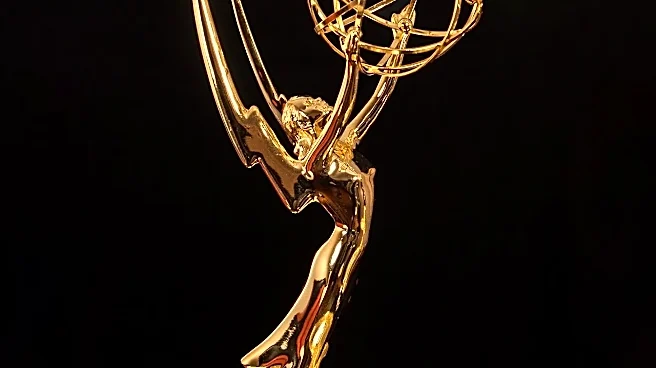
The Emmy for Outstanding Prosthetic Makeup often goes to the most complex and visually arresting creations, and for good reason. It takes a small army and hundreds of hours to bring a full-body creature to life. Yet, there’s a different kind of genius in the subtle work. Think of an actor aged up by thirty years, not with cartoonish wrinkles, but with a believable gravity added to their jowls and crow's feet. Consider historical figures whose iconic features are recreated with such precision that the actor can embody them without it feeling like a caricature. This is where prosthetics become a tool of realism, not fantasy. It's adding a broken nose that looks truly healed-over, or the slight, almost imperceptible facial difference that defines a character from a specific lineage in a show like 'Shōgun'. These applications don't scream for attention. Instead, they whisper context and backstory, enriching the world without pulling the viewer out of it.
Character Over Creature
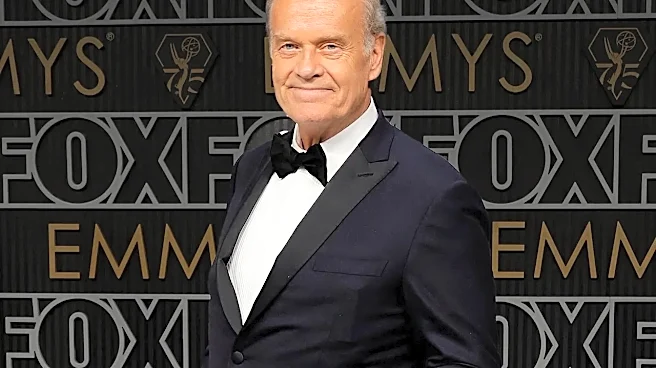
Look at a series like 'The Penguin', where Colin Farrell's transformation into the Gotham mobster was so total it became a major talking point. While the work was extensive, its success wasn't just that it was a lot of makeup; it was that it allowed Farrell to build a completely new physical presence. The artists didn't just give him a new face; they gave him a new center of gravity, a new way of speaking and moving. The prosthetics were a foundation for performance. In an interview, Emmy-winning artist Paul Engelen, who worked on Nicole Kidman's transformation in 'The Hours', highlighted how makeup is key to an actor's Oscar-winning performance. The same principle applies to television. The makeup isn't just a mask; it's a bridge that allows the actor to cross over into another being entirely. When Emmy voters look at the nominees, they see the technical skill, but the winning work is often that which demonstrates a seamless partnership between the artist and the actor.
An Award for Disappearing Acts
So should the flashiest work always get the gold? Not necessarily. The Creative Arts Emmys are a place to honor craft, and the craft of prosthetic makeup has evolved beyond just making monsters. It's about nuanced storytelling. An award for prosthetics should celebrate not just the 'wow' factor, but the 'how' factor—how did this makeup serve the story? How did it enhance the performance without overwhelming it? The most deserving work is often the quietest. It's the subtle shift in a character's age over a season, the historically accurate scar, or the slight tweak to a nose that makes an actor disappear into a real-life figure. These are the true disappearing acts of television, where artists pour their immense talent into creating something the audience will, if they've done their job perfectly, completely forget is even there.