
The Simple Math That Transforms Your Closet
Cost Per Wear is a straightforward formula that reveals the true cost of an item beyond its initial price tag. To calculate it, you simply divide the total cost of the item by the number of times you wear
it. For example, a $400 pair of boots worn 100 times has a CPW of just $4. Suddenly, that splurge feels more like a sound investment. Some prefer a more advanced formula that also accounts for maintenance costs (like professional cleaning or repairs) and even potential resale value. This enhanced formula is: (Purchase Price + Maintenance Costs - Resale Value) / Total Number of Wears. Whichever formula you use, the goal is the same: to get the CPW as low as possible, which signifies a smart purchase.
Estimating 'Wears' for Statement Pieces
The most important, and trickiest, variable in the CPW formula is the 'number of wears.' For a pair of everyday jeans, this is easy to estimate. But for a velvet cape or a leather harness? It requires a bit more imagination and an honest assessment of your personal style. Before you buy, force yourself to mentally style the piece with at least three to five outfits already in your closet. If you can only picture it with one specific dress for one specific type of event, its potential for a low CPW is slim. But if you can envision it elevating your work looks, weekend outfits, and date-night ensembles, you're on the right track. Quality materials and timeless design also increase an item's potential wears by ensuring it lasts for years.
Maximizing Wears on Statement Boots
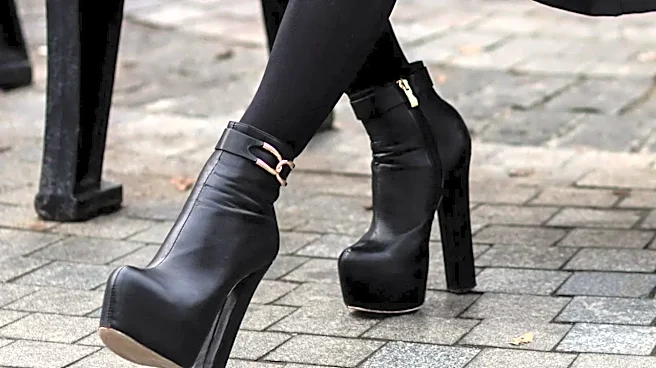
Statement boots, whether they’re a bold color, an exotic texture, or a dramatic over-the-knee style, are often more versatile than they appear. To lower their CPW, think beyond the obvious pairings. Let them peek out from under wide-leg trousers or cropped jeans for a flash of personality in a casual outfit. Use them to ground a flowy midi or maxi dress, creating an interesting contrast. For a classic look, pair knee-high boots with a pencil skirt and tights for the office. A great statement boot can become a signature piece, making even a simple t-shirt and jeans feel intentional and stylish. The key is to let the boots be the star by keeping the rest of the outfit relatively simple.
Making Capes and Harnesses Everyday-Ready
Capes and harnesses might seem like runway-only fantasies, but they can be surprisingly wearable. A cape, for instance, can be an elegant alternative to a coat or blazer. For a casual weekend look, wear one over a simple turtleneck and jeans. For the office, layer a structured cape over a blazer for a powerful, polished effect. Harnesses, once relegated to punk or fetish scenes, have become a high-fashion accessory for adding edge. The easiest way to style one is over a simple, form-fitting top like a t-shirt or turtleneck. You can also layer it over a classic white button-down shirt or a simple dress to add structure and visual interest, almost like a modern vest. When styling a harness, consider a monochrome look (like a black harness over a black top) for a subtler effect.
Beyond the Numbers: The Joy Factor
While CPW is a powerful financial tool, it doesn’t account for one crucial variable: the joy a piece of clothing brings you. Some items are worth it simply because they make you feel confident, powerful, or creative. A statement piece that transforms your mood every time you wear it has a value that can't be quantified by a calculator. The CPW metric isn't meant to strip the fun out of fashion. Instead, it’s a framework for mindful consumption. It encourages you to move away from disposable trends and toward investing in high-quality, durable pieces that you will love and wear for years to come, which is also a more sustainable approach to building a wardrobe.