





The Soul of Florence: Pitti Uomo
Before we go further, let's establish what Pitti Uomo actually is. At its core, it’s a trade show. Since 1972, it has been one of the most important platforms for menswear brands, buyers, and journalists to connect, see new collections, and do business.
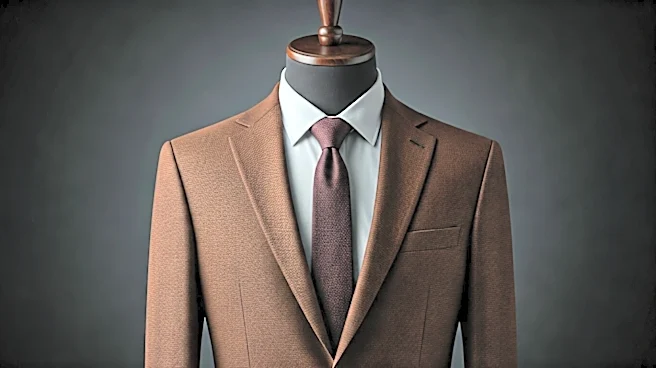
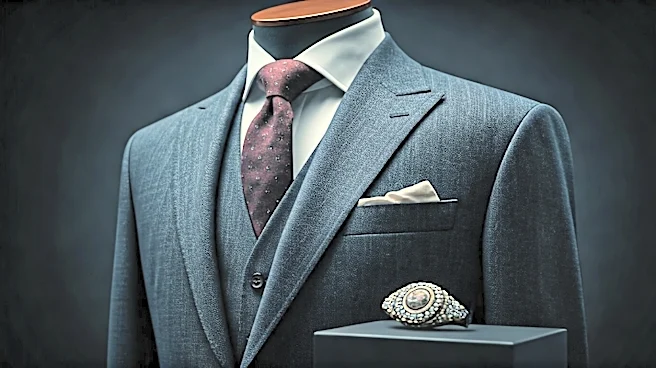
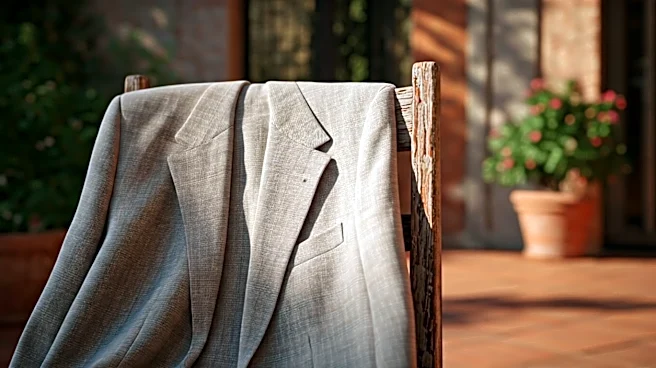
The legendary street style it became famous for was an organic byproduct. The attendees—industry insiders who live and breathe textiles, tailoring, and design—dressed for themselves and their peers. The style that emerged was rooted in classic Italian tailoring with a flair of *sprezzatura*, that art of studied carelessness. Think of a perfectly cut linen suit paired with worn-in loafers, a tie slightly askew, or an unexpected color combination that just works. The goal wasn’t to be photographed, though that started happening in the late 2000s thanks to photographers like Scott Schuman (The Sartorialist) and Tommy Ton. The goal was to communicate a deep appreciation for craft and a personal point of view within a community of equals.
The Algorithm's Outfit: Instagram Peacocking
Instagram peacocking is a different beast entirely. It takes the visual language of Pitti street style—the sharp suits, the bold accessories, the confident poses—and strips it of its original context. On social media, the outfit is not a byproduct of an event; the outfit *is* the event. The motivation shifts from personal expression within a community to public performance for a global, algorithm-driven audience. Peacocking is about creating a look so loud, so visually arresting, that it stops a thumb from scrolling. It often involves chasing micro-trends, wearing exaggerated silhouettes, or piling on designer logos. In many cases, these aren't even outfits worn for a full day. They are constructed for a 30-minute photoshoot, sometimes with borrowed or rented clothes, designed solely to generate engagement: likes, comments, and shares. The 'community' is not a group of peers in a physical space, but a list of followers, and the style is a transaction for attention.
Context, Motivation, and the Camera
The fundamental difference lies in intent and context. Pitti style, at its best, is relational. It’s a dialogue with the history of menswear, a nod to the artisans who made the clothes, and a conversation with the other people in the piazza. The arrival of street style photographers changed the dynamic, but the core ethos was about dressing for an occasion and an industry. Instagram peacocking is presentational. It’s a monologue broadcast from a void. The context is a curated feed, and the primary audience is a faceless algorithm that rewards novelty and extremity. One is about *being* there, fully inhabiting a moment and a place. The other is about creating a picture *of* a moment, whether the substance behind it exists or not. This is why you see men at Pitti in heavy wool overcoats in the sweltering June heat—not because it's practical, but because the coat is the statement piece, and the photo is the only reason for being there.
Why This Distinction Matters
Confusing these two phenomena isn't just snobbery; it has real consequences for how we understand and value style. When peacocking is mistaken for genuine style, it erodes the importance of craftsmanship, personal history, and authenticity. It promotes a disposable, trend-driven consumerism where clothes are props rather than cherished items. It tells aspiring style enthusiasts that the goal is to be looked at, not to feel good or express something true about oneself. This matters because it shifts the focus from the 'how' and 'why' of an outfit—the quality of the fabric, the story behind a vintage piece, the way it makes you feel—to the simple, fleeting 'wow' of a photo. It replaces the joy of getting dressed with the anxiety of being seen. True style has a narrative; peacocking has a caption.