



The Great Divide in the Crowd
Picture the scene at any major concert. In one corner, you have the superfans. They own the vinyl, they run the fan accounts, and they can tell you the backstory behind a song that was only ever played live twice in 1998. They paid for a unique experience,
a validation of their deep connection to the artist’s full catalog. For them, hearing the same five massive hits they've heard a thousand times can feel like a letdown. In the other corner, you have the casual listeners. They love the artist, but maybe they only know the songs that dominated the airwaves. They bought their pricey ticket with the specific hope of screaming along to those very hits. For this group, a setlist heavy on new material or deep cuts can feel alienating and disappointing. This is the central tension of modern touring: two distinct audiences sharing the same space but wanting fundamentally different shows.
The Artist’s Impossible Job
Artists are caught squarely in the middle of this tug-of-war. For many, a tour is a chance to showcase new music and stay creatively invigorated. Playing the same dozen songs in the same order for 80 straight nights can become a soul-crushing exercise in nostalgia, turning a musician into a human jukebox. Bands like The Rolling Stones and Iron Maiden are known for sticking to a relatively fixed setlist, prioritizing a polished, consistent show. However, the pressure to deliver the hits is immense, especially with ticket prices soaring. Fans who spend hundreds of dollars feel entitled to hear the songs they know and love, and they aren't shy about voicing their displeasure online when they don't. This leaves artists with a difficult choice: do they play the songs that keep them creatively fulfilled or the ones that guarantee a happy, singing crowd?
The Flawed Approaches
In an attempt to solve this problem, artists have tried various strategies, often with mixed results. There's the “we’re only playing the new album” approach, which almost universally alienates the casual portion of the audience. Then there's the pure nostalgia tour, which can feel creatively stagnant for the artist and bore the superfans. Some bands, like Pearl Jam and The Grateful Dead, have famously opted for constantly rotating setlists, where almost every night is a different show. While this is a dream for hardcore fans who attend multiple dates, it can be a gamble for a casual fan who might miss out on hearing essential tracks like “Even Flow” or “Jeremy” on any given night. The unpredictability that thrills one fan can easily disappoint another.
The Elegant Solution: A Structured Surprise
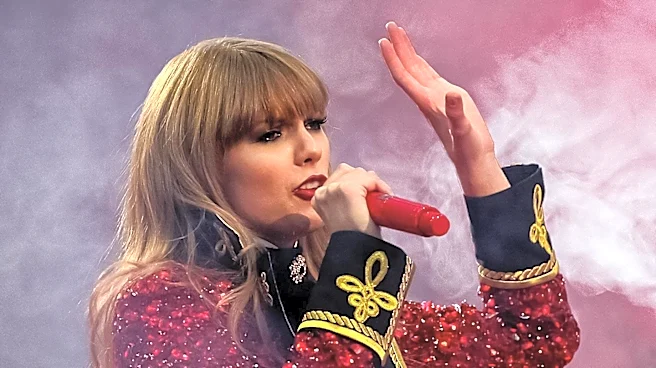
The most effective compromise emerging today is a structured setlist that carves out dedicated space for everyone. This model, perfected by artists like Taylor Swift on her Eras Tour, provides a predictable framework with an element of genuine surprise. The show is built on a foundation of non-negotiable hits and essential tracks, ensuring the casual listener gets their money's worth. But crucially, a specific slot in the show is designated for a rotating selection of deep cuts, B-sides, or rarities. During the Eras Tour, Swift performs two different acoustic “surprise songs” each night, one on guitar and one on piano. This segment becomes a nightly event for superfans, who track the selections and eagerly anticipate what their show might get. It creates a unique, “you had to be there” moment without sacrificing the crowd-pleasing anthems that anchor the three-hour performance. This structure respects both the casual fan's desire for the familiar and the superfan's craving for the unique, all while keeping the artist engaged.