


Meet the Perfect Weekend Workhorse
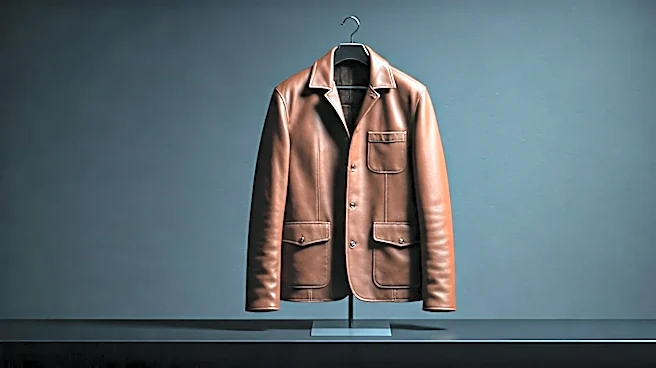
While many jackets claim versatility, one archetype consistently delivers: the chore coat. Originally designed for French laborers in the late 19th century, this humble jacket has become a modern style staple for good reason. Typically made from durable
cotton twill or canvas, it features a simple button-front, a classic collar, and several large patch pockets. It has no lining, no shoulder pads, and no fussy details. This elegant simplicity is not a weakness; it's the source of its power. Unlike a structured blazer that screams 'office' or a technical windbreaker that says 'hiking trail,' the chore coat exists in a perfect middle ground. It's a blank canvas that adapts to whatever you pair it with.
It’s All About a Lack of Structure
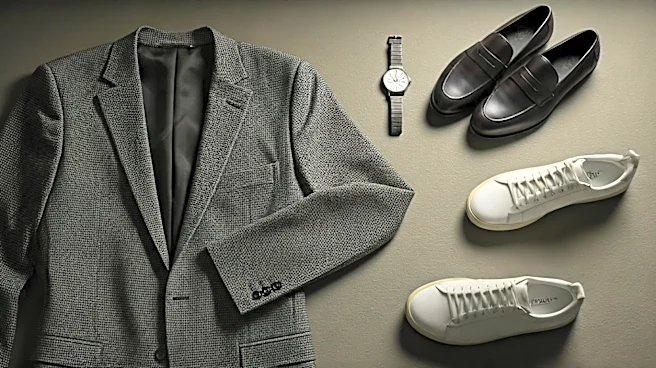
The magic of this jacket lies in what it’s missing. Traditional sport coats and blazers have internal structure—canvassing, padding, and lining—that creates a sharp, formal silhouette. This is great for a board meeting but looks out of place with worn-in denim. The chore coat, by contrast, is completely unstructured. It drapes over your shoulders naturally, like a heavy shirt. This 'soft' construction allows it to mirror the casualness of a t-shirt and jeans. At the same time, because it has a collar and buttons up like a traditional jacket, it provides a sense of completeness that a simple cardigan or hoodie can't match. It frames your torso without forcing it into a rigid shape, making it the ultimate casual layering piece.
The Fabric Is a Bridge
Fabric is the second key to its adaptability. Chore coats are typically crafted from hardworking materials like cotton drill, canvas, or moleskin. These fabrics have a rugged, utilitarian heritage that connects them directly to denim and other casual staples. A canvas jacket with beat-up jeans feels authentic and cohesive. Yet, these same fabrics have a clean, matte finish that doesn't clash with more refined materials. When cut into a simple jacket, a piece of navy cotton twill can look surprisingly sophisticated next to a pair of gray wool trousers or crisp beige chinos. It doesn't try to imitate the shine of a formal suit jacket; instead, it offers a handsome textural contrast that feels intentional and modern. This ability to bridge the gap between rugged and refined is rare.
Dressing It Up: Chinos and Trousers
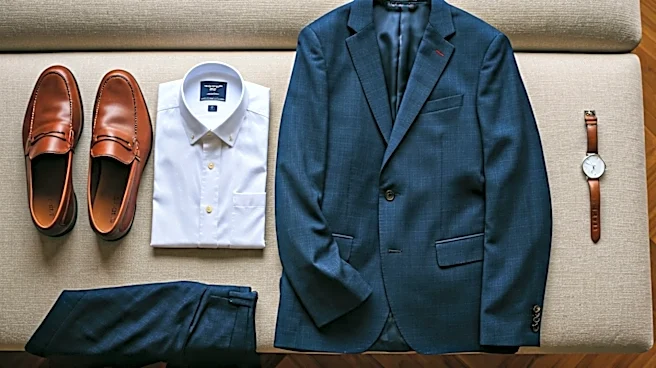
When you pair the chore coat with smarter pants, it functions as a relaxed alternative to a blazer. Imagine a Saturday afternoon gallery visit or a casual dinner date. Throw a navy or olive chore coat over a simple merino wool sweater and a pair of tailored chinos. The jacket cleans up the entire look, adding a layer of polish without the formality of a traditional sport coat. It says you made an effort, but that the effort was... well, effortless. The key is to keep the rest of the outfit simple. The jacket is the hero piece. With wool trousers, it creates a stylish high-low mix that’s popular in creative and academic circles, borrowing just enough from workwear to keep from looking stuffy.
Dressing It Down: Jeans and a Tee
This is the jacket in its natural habitat. With a pair of classic blue or white jeans, the chore coat shines. Its workwear DNA makes the pairing feel historically correct and visually balanced. It instantly elevates a simple t-shirt or henley, turning a basic outfit into a considered 'look.' For a Sunday coffee run or a trip to the farmers market, a chore coat over a tee and jeans is unbeatable. It provides utility with its large pockets (perfect for a phone, wallet, and keys) and adds a visual point of interest. Unlike a denim jacket, which can create a jarring 'denim tuxedo' effect, a cotton twill chore coat provides a welcome contrast in both texture and color.