

1. The Comfort Cost
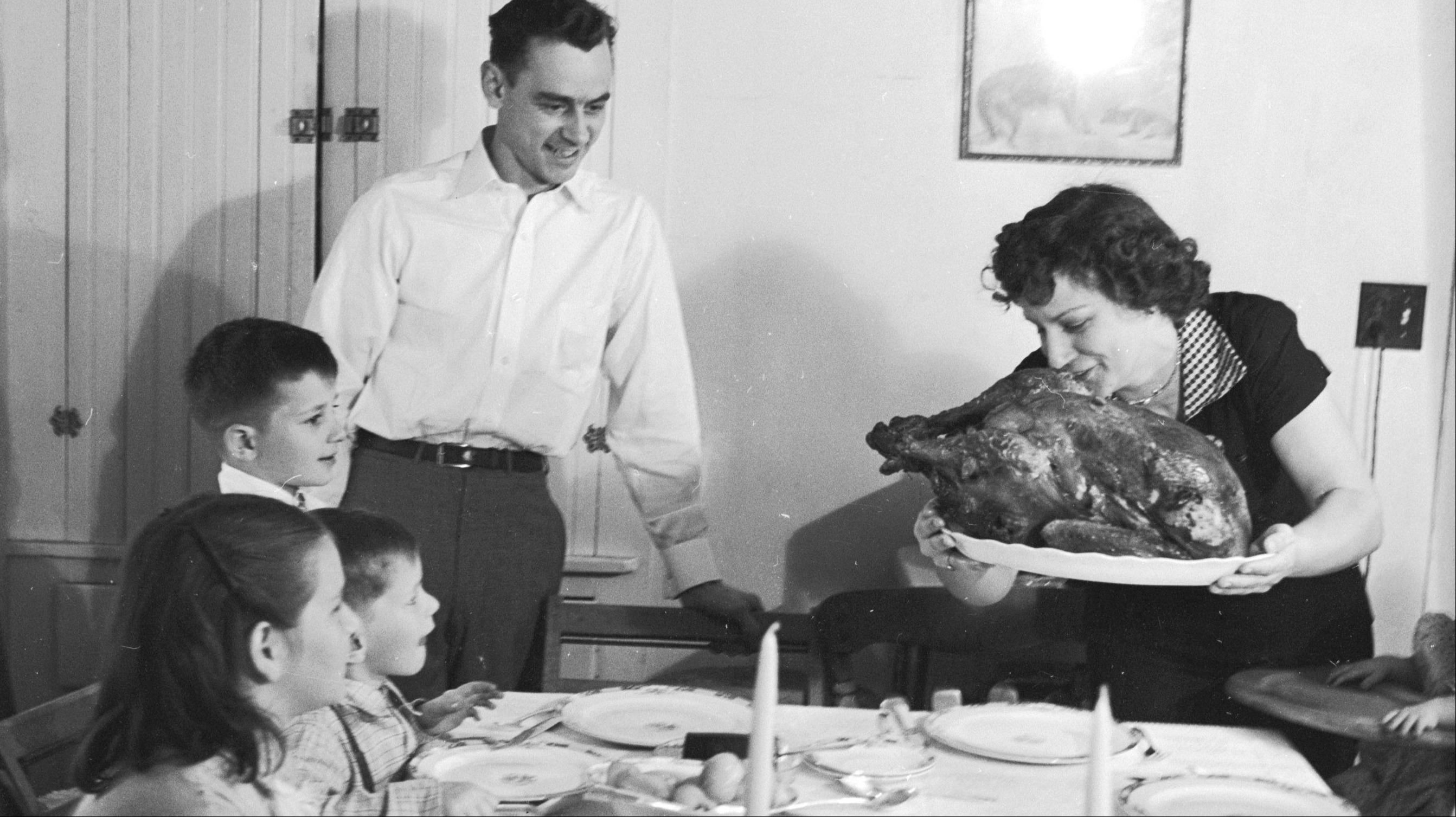
That crisp, new outfit might look sharp in the fitting room, but how will it feel four hours, two plates of turkey, and one slice of pumpkin pie later? The 'comfort cost' is the price you pay in physical well-being. A restrictive waistband, a scratchy
wool sweater, or shoes that pinch can turn a joyful gathering into a low-grade endurance test. Research shows that wearing uncomfortable or tight clothing can even increase the body's production of stress hormones. The goal is to enjoy the day with family and friends, not to be distracted by a constant, nagging discomfort. When choosing your outfit, think about the day's activities: greeting guests, helping in the kitchen, sitting for a long meal, and maybe even a post-dinner lounge on the sofa. Opting for fabrics with a bit of stretch and a forgiving silhouette isn't giving up on style—it's prioritizing your ability to be present and enjoy the holiday to its fullest.
2. The Maintenance Cost
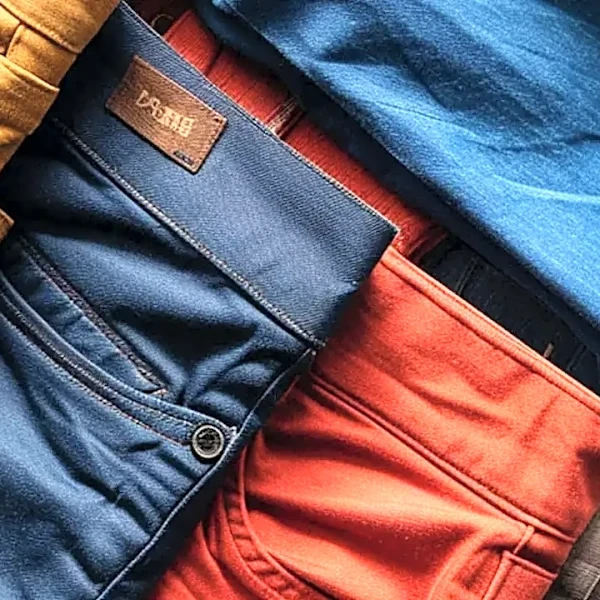
You found a beautiful silk blouse or a velvet dress for a steal. But what happens when a drop of gravy finds its way onto the fabric? The maintenance cost is the ongoing investment an item requires after you bring it home. A 'dry clean only' tag on a Thanksgiving outfit is a guarantee of future expense and hassle. These costs, which also include special detergents, alterations, or repairs, can quickly make a bargain-priced garment much more expensive over its lifetime. Before you purchase, check the care label. If it requires more effort and money than you’re willing to spend, it might not be the right choice for a potentially messy holiday feast. A durable, machine-washable piece not only saves you money but also reduces the stress of a potential spill, letting you focus on the food and conversation.
3. The 'Cost Per Wear' Cost
One of the most overlooked costs is the 'cost per wear'. This simple formula—dividing the price of a garment by the number of times you wear it—reveals its true value. A trendy, holiday-specific sweater bought for $40 and worn only once for Thanksgiving has a cost per wear of $40. In contrast, a classic, high-quality knit that costs $120 but is worn 30 times over several years has a cost per wear of just $4. The temptation to buy a novelty item for a single event is strong, but it often results in a higher long-term cost and a more cluttered closet. Instead of a 'Turkey Day' themed shirt, consider a versatile piece in an autumnal color that you can style differently for work, weekends, and future holidays. This approach not only saves you money but also encourages a more sustainable and thoughtful wardrobe.
4. The Environmental and Ethical Cost
In the rush to find an affordable holiday outfit, it’s easy to turn to fast fashion. But the low prices on those tags hide a significant environmental and human cost. The fast fashion industry is a major contributor to global carbon emissions, water pollution, and landfill waste. Many garments are made from synthetic materials like polyester, which shed microplastics when washed and can take hundreds of years to decompose in a landfill. Furthermore, the rapid production cycle often relies on underpaid labor in poor working conditions. Choosing to buy from a sustainable brand, shopping secondhand, or even re-wearing a beloved outfit from a previous year are all powerful ways to reduce this hidden cost. It's a choice that pays a dividend in peace of mind, knowing your holiday style didn't come at the expense of the planet or other people.
5. The Social and Mental Cost
Holidays can be socially stressful, and your outfit can either ease or heighten that tension. The social cost comes from the anxiety of navigating unspoken dress codes. Showing up to a casual, relaxed family potluck in a formal cocktail dress can feel just as awkward as wearing a hoodie to a more buttoned-up affair. This pressure to get it 'right' is a form of emotional labor that adds to the mental load many people already carry during the holidays. The pressure to present a 'perfect' holiday self, influenced by social media, can lead to stress and feelings of inadequacy. Instead of aiming for a flawless look, aim for authenticity and appropriateness for your specific event. If you're unsure of the vibe, it never hurts to ask the host. Choosing an outfit that makes you feel confident and comfortable in the setting is a gift to yourself, freeing up mental energy to connect with loved ones.