








The Festival Launchpad
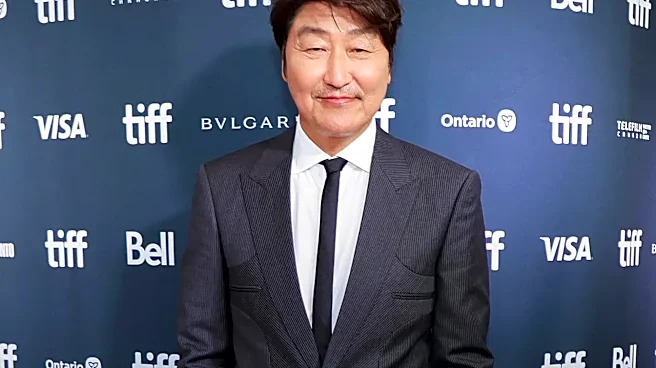
An awards campaign doesn’t start with a nomination; it begins with a premiere. The trifecta of late-summer and early-fall film festivals—Venice, Telluride, and Toronto—are the primary launchpads for Oscar hopefuls. This isn't by accident. Studios strategically
debut their most ambitious projects at these events to gain critical prestige and generate momentum. A win, like the Palme d'Or at Cannes or the People's Choice Award at Toronto, can significantly boost a film's credibility and serve as an early indicator for Academy voters. Positive reviews and festival buzz create the foundational narrative that publicists will build upon for the next six months. It’s the first step in convincing the roughly 10,000 members of the Academy of Motion Picture Arts and Sciences that a film is not just good, but essential viewing.
Crafting the Narrative
Once a film has established its presence, the real work begins. This is where awards strategists and publicists, operating like political campaign managers, take over. Their job is to craft a compelling story around the film. It might be about a director who is long overdue for recognition, a transformative performance by an actor, or a story that speaks to a significant cultural moment. This narrative is then pushed through targeted press interviews, exclusive Q&A sessions with talent, and private screenings for guilds and critics. The goal is to keep the film top-of-mind and frame it in a way that resonates with voters. It's less about traditional marketing to the public and more about a sustained, persuasive conversation with the industry itself.
The High Cost of Gold
This long game is incredibly expensive. While studios don't release their campaign budgets, industry insiders estimate that a serious push for a single film costs between $3 million and $15 million. For major contenders, that figure can balloon to $30 million or even more. Netflix famously spent a reported $30-40 million campaigning for "Roma," a figure that far exceeded the film's production budget. These funds cover everything from "For Your Consideration" ads in trade publications, which can cost over $70,000 for a single page, to the logistics of flying actors and directors to countless events. Even smaller expenses, like uploading a film to the Academy's private screening portal, can cost $20,000. The spending is an investment, as an Oscar win can dramatically boost a film's box office, streaming value, and an actor's future salary.
The Final Push
As nomination morning approaches in January, the campaign enters its most intense phase. The period between nominations and the final voting is a flurry of activity, with final screenings, lavish parties, and a constant media presence for the nominees. The strategy shifts from securing a spot on the ballot to closing the deal. This is when you see lead actors on every talk show and cover of every magazine. The sustained visibility is crucial for ensuring that when Academy members finally cast their ballots, a specific film or performance feels not just deserving, but inevitable. It’s a testament to a campaign that has successfully navigated the complexities of industry politics, media narratives, and voter psychology for the better part of a year.