





The Menace in the Muted Colors
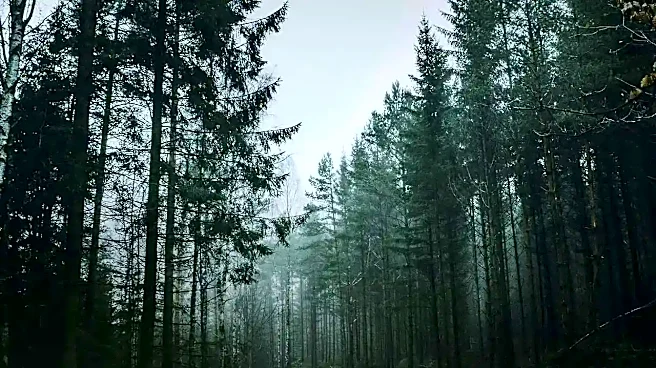
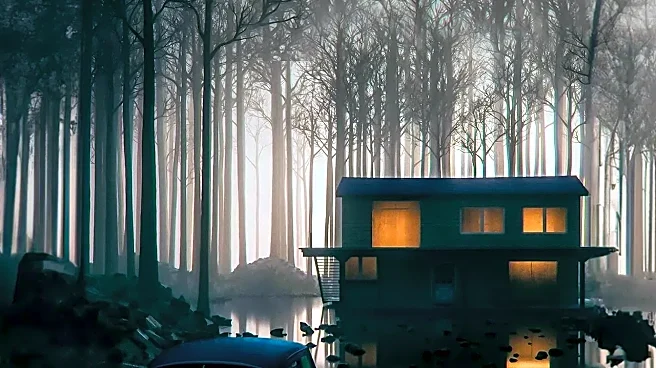
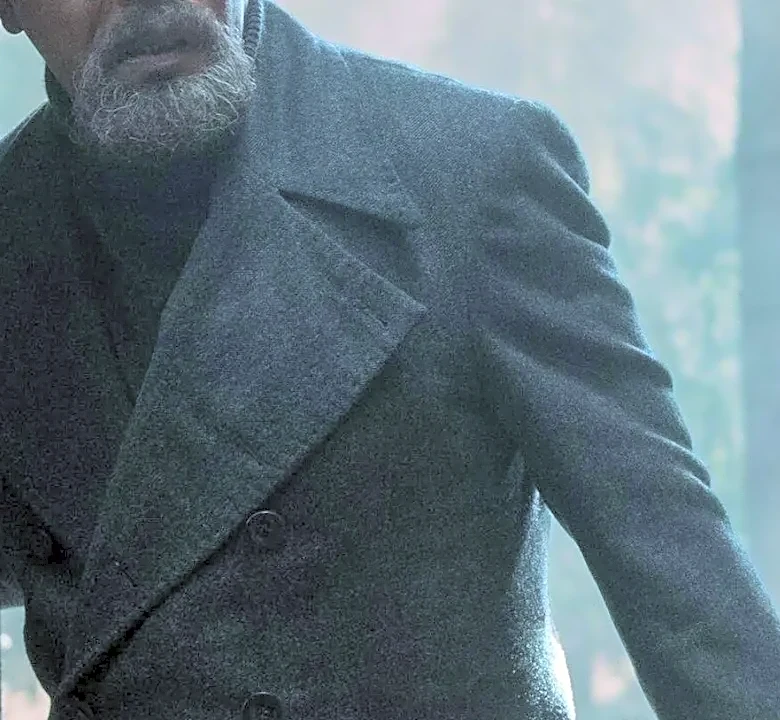
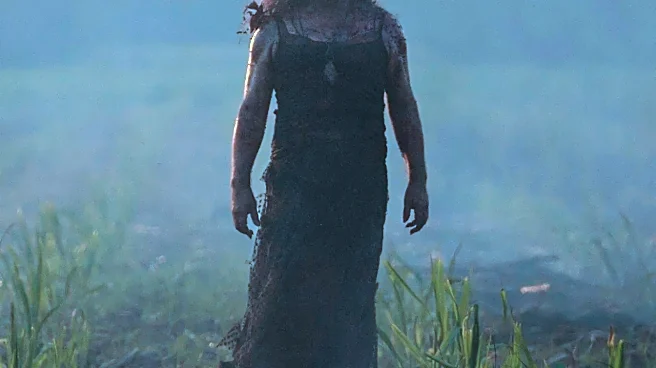
The first tool thrillers use is color—or the lack of it. While we associate fall with vibrant reds and oranges, crime films often present a more desolate version. Think of the perpetually overcast, rain-slicked world of "Prisoners" or the misty, gray-brown
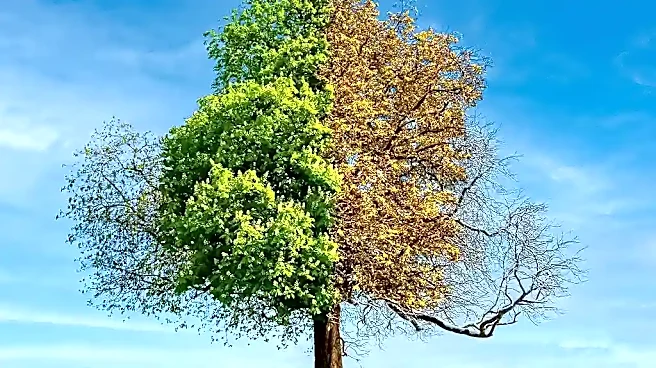
palette of "Knives Out". This isn't the lively, Instagram-worthy autumn; it's a season already in decay. The trees are nearly bare, the ground is a mush of dead leaves, and the sky is a permanent, oppressive shade of gray. This visual choice does more than set a gloomy mood; it suggests a world where life is fading and secrets are buried. The beauty is gone, leaving only the cold, hard truth of what lies beneath, mirroring the moral rot at the heart of the story.
A Harvest of Fear, Not Plenty
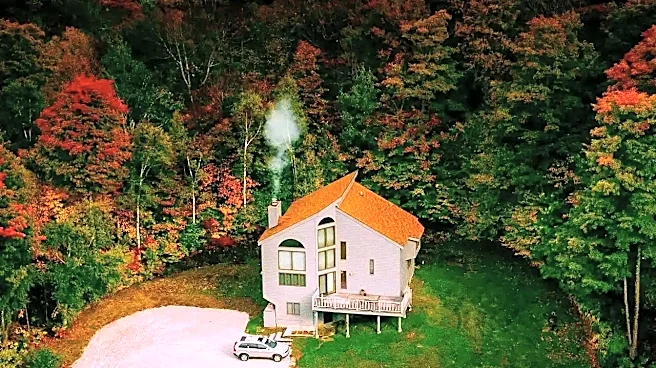
Symbolically, autumn is the harvest season, a time of reaping what you sow. Thrillers seize this idea and give it a sinister twist. It's not crops being gathered, but the consequences of past sins. The landscape itself becomes a ticking clock. The shortening days and lengthening nights create a natural sense of encroaching darkness, both literal and metaphorical. Characters often find themselves in remote locations—an isolated cabin, a small town with dark secrets—where the dying season amplifies their vulnerability. Fall is the last gasp before the dead of winter, a time when escape routes close and the cold sets in for good. This sense of an ending, of time running out before being trapped, charges every scene with a quiet, mounting panic.
The Sound of Unsettling Silence
Sound design in autumnal thrillers is masterfully manipulative. The season provides a unique audio palette that is weaponized to create suspense. In a normal context, the crunch of leaves underfoot is a satisfying, nostalgic sound. In a thriller, it’s a sign that someone is approaching, their footsteps impossible to hide in the quiet woods. The wind whistling through bare branches doesn't sound brisk and refreshing; it sounds like a mournful sigh or a whisper carrying a threat. Conversely, filmmakers also use the muffling quality of a damp, gray day to create an eerie silence, where every sudden snap of a twig or distant, unidentifiable noise puts both the characters and the audience on edge. It's a world where you can’t trust what you hear, making the isolation feel even more profound.
Subverting the Idea of 'Cozy'
Perhaps the most powerful trick is how these films subvert our cultural expectations of fall. We associate the season with warmth, community, and coming together for holidays. Crime thrillers take that expectation and shatter it. The family gathering in "Knives Out" is a hotbed of resentment and suspicion, set against a backdrop that should feel comforting but instead feels claustrophobic. The classic cable-knit sweater doesn't offer warmth, but rather a false sense of security in a world of lies. By placing dark deeds within these traditionally cozy settings, filmmakers create a deep sense of psychological unease. The horror isn't just from the threat of violence, but from the violation of a sacred, comfortable space. It tells us that nowhere is truly safe, not even in the heart of what we consider the coziest season of all.