




The Team Jersey Is Now Optional
For decades, sports loyalty was a geographical inheritance, a family tradition passed down like a favorite armchair. You rooted for the home team, through thick and thin. That model is officially being retired. Today, a new, more portable brand of fandom
has taken hold, one that’s less about the name on the front of the jersey and all about the name on the back. Driven by younger audiences, particularly Gen Z, fans are now more likely to follow their favorite athletes than a specific team. This isn't just a slight preference; it’s a fundamental rewiring of how sports are consumed. The modern fan’s loyalty is to the player’s journey—their stats, their story, their off-court brand—and that loyalty travels with the athlete from team to team. If their favorite star gets traded, their allegiance simply moves to a new city. This shift is powered by a media landscape that has been completely decentralized. The days of relying solely on network broadcasts are over.
The Caitlin Clark Catalyst
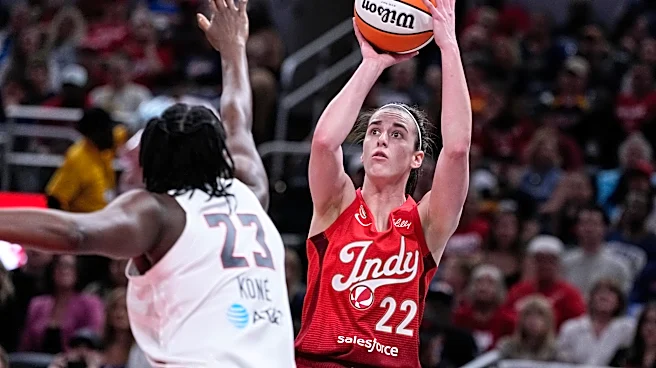
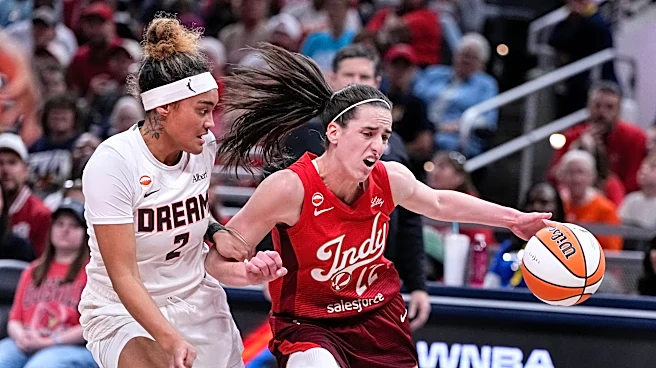
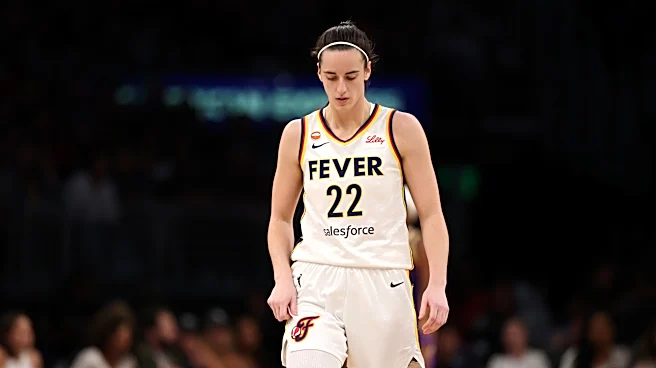
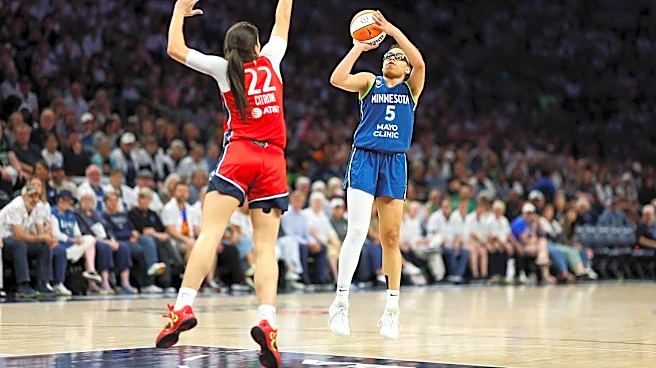
No single athlete embodies this new era more than Caitlin Clark. The “Caitlin Clark effect” is not just a catchy phrase; it’s a documented tidal wave of interest that has lifted the entire WNBA. Since she was drafted, attendance, merchandise sales, and television ratings have skyrocketed. Games featuring Clark don’t just get a small bump; they become national events, drawing millions of viewers and selling out arenas across the country. When she was injured for a stretch in 2025, the dip in viewership was immediate and profound, highlighting how much of the league's newfound audience was there specifically for her. She has attracted a new demographic of fans who may have never watched a WNBA game before but are now rearranging their schedules to see her play. They aren't just Indiana Fever fans; they are Caitlin Clark fans, first and foremost, following her every three-pointer and no-look pass with a devotion previously reserved for entire franchises.
The World Cup's Viral Stars
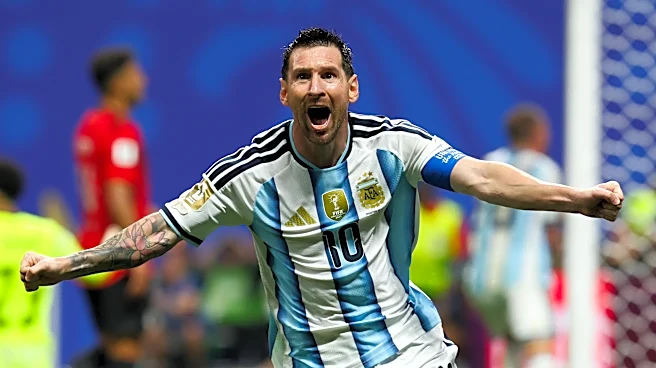
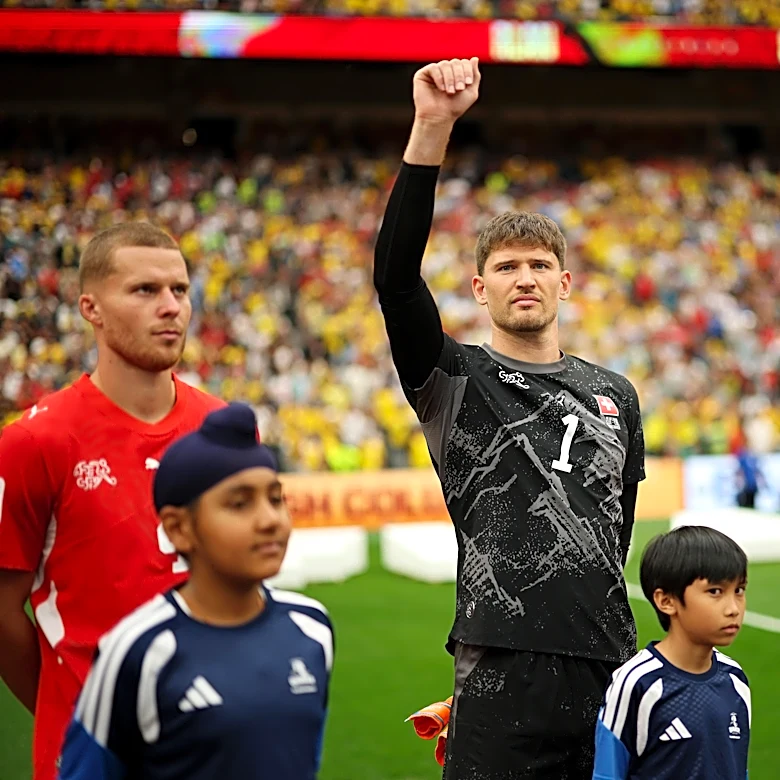
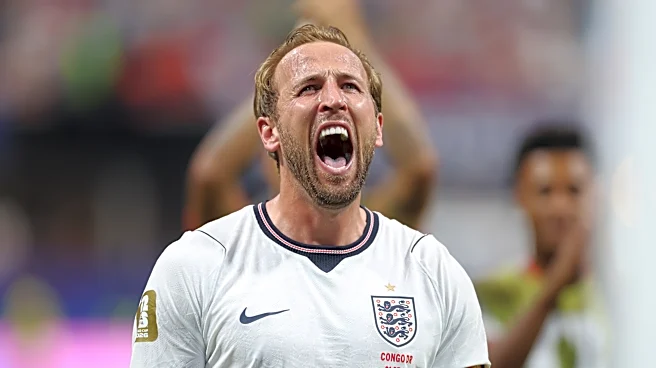
This isn’t just an American basketball phenomenon. The 2026 FIFA World Cup, playing out right now across North America, is offering its own fascinating examples of player-centric devotion. While established icons like Lionel Messi and Kylian Mbappé still command massive global followings, the tournament's most interesting trend is the overnight creation of new social media superstars. Take Tim Payne, a defender for New Zealand. After an Argentine YouTuber highlighted him as one of the tournament's least-known players, fans organized a viral campaign to follow him, swelling his Instagram account from 4,000 followers to over 6 million. Similarly, Cape Verde’s 40-year-old goalkeeper, Vozinha, became a cult hero with over 27 million followers after his stellar performances. These fans aren't necessarily converting into lifelong New Zealand or Cape Verde supporters; they are participating in a moment, connecting with a personality, and investing in an individual's story, all orchestrated through their phones.
The Social Media Playbook
So, how does this happen? The answer lies in the palm of every fan's hand. Social media platforms like TikTok and Instagram have become the primary arenas for modern sports consumption. Fans no longer have to wait for SportsCenter; they get their fix from a constant stream of highlight clips, behind-the-scenes training footage, and direct-from-the-source posts by the athletes themselves. This creates a sense of intimacy and access that traditional media could never provide. Athletes have become their own media companies, building personal brands that resonate with fans on a deeper level. It’s a multi-screen experience; a majority of Gen Z fans use a second screen to scroll social media while watching a live game, looking for memes, stats, and instant reactions. This interactive, always-on engagement transforms passive viewing into active participation, strengthening the bond between the fan and the individual athlete they've chosen to follow.