

The Greatest Hits Gauntlet
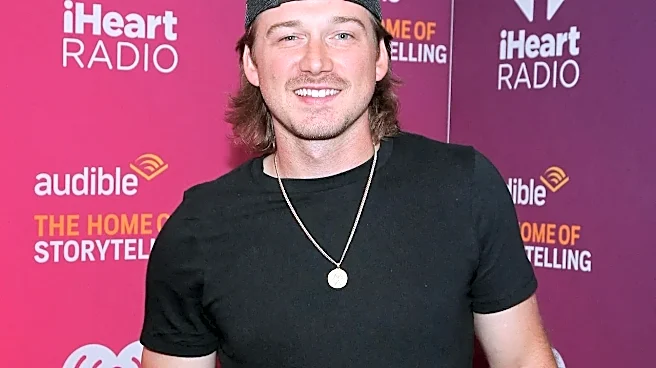
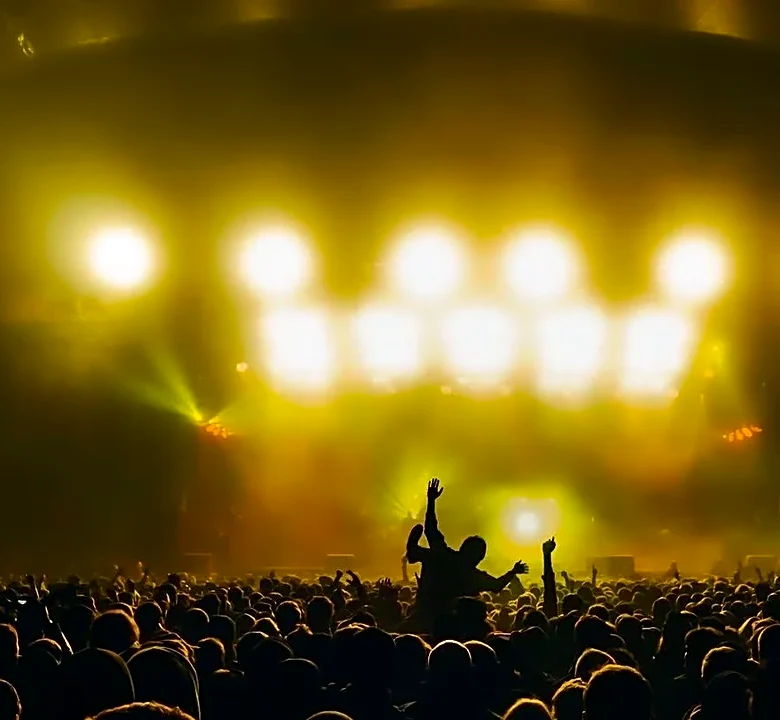
The first and most brutal change is to the setlist. A headlining arena show is a journey; it has space for deep cuts, new material, and slower, narrative-building moments. A festival set, particularly a high-profile, multi-genre event like iHeartRadio’s,
is a sprint. With only 25 to 30 minutes, artists have to win over a diverse crowd instantly—many of whom may not be their dedicated fans. This means the setlist becomes a relentless barrage of chart-toppers. The fan-favorite B-side, the experimental new track, the quiet acoustic number—they’re all on the chopping block. The goal is no longer to tell a story over two hours but to deliver a concentrated dose of the artist's absolute biggest hits, ensuring there’s never a moment for a channel-surfing viewer or distracted attendee to lose interest.
From Moving Castles to Modular Magic
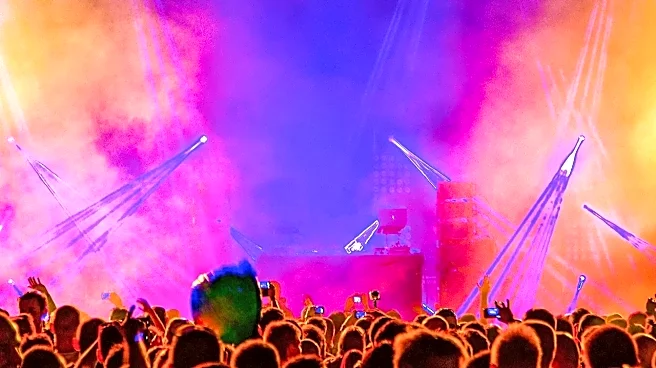
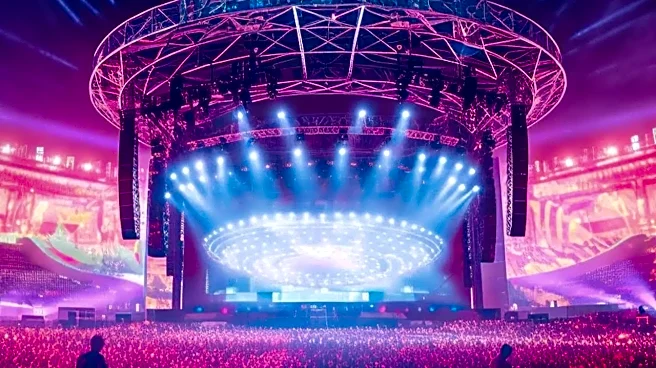
The massive, custom-built stages of a modern arena tour—think floating platforms, sprawling catwalks, and gigantic, show-specific props—are a non-starter at a festival. These setups take immense time and crew to build and are designed for a single artist. At a festival, multiple artists share the same stage with rapid changeovers between sets. Instead of bringing their entire physical world, artists must adapt to the festival’s more standardized staging. The art becomes one of translation. Lavish physical sets are swapped for powerful, versatile visuals on massive LED screens. Production designers focus on creating scalable lighting packages and video content that can evoke the unique aesthetic of the artist's tour without needing a fleet of trucks to transport it. It's about capturing the tour's signature vibe using light, color, and digital scenery.
No Time for a Breather
Pacing is completely reimagined. An arena concert is designed with intentional ebbs and flows. There are moments for extended guitar solos, intimate stories shared with the crowd, and elaborate costume changes that double as a moment for the artist (and audience) to catch their breath. None of that is possible in a festival slot. The energy must be at maximum from the first note to the last. Costume changes are minimal, if they happen at all, and any banter with the crowd is short, punchy, and designed to heighten the energy rather than slow it down. It’s an exercise in compression, taking the emotional arc of a full-length show and delivering all the peaks with none of the valleys. For the performer, it’s an incredibly demanding format that requires maintaining an explosive level of energy for the entire duration.
Connecting with the Back Row, Instantly
On their own tour, an artist has two hours to build a connection. At a festival, they have two minutes. Every element of the performance is sharpened for immediate impact. Choreography is often amplified, focusing on big, powerful movements that read clearly from the back of an arena. The intricate, subtle gestures that work in a more intimate setting are replaced by actions built for scale. Even the use of technology like pyrotechnics and special effects is different. While a dedicated tour can integrate complex cues throughout the show, a festival performance uses them as high-impact punctuation marks—blasts of fire, confetti cannons, or firework bursts deployed for maximum surprise and effect in a condensed timeframe. The entire performance is calibrated to grab attention and create a memorable, shareable moment in a fraction of the usual time.