



The Theater of the Runway
First, let’s be clear: a runway show is not a preview of what you’ll wear to the office. It’s theater. Designers in fashion capitals like Milan use these shows to present a pure, undiluted vision. They are playing with silhouette, texture, and shape in their
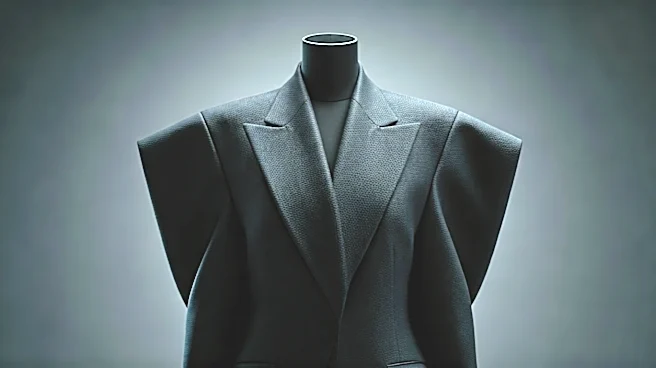
most extreme forms. The models, typically very tall and slender, are chosen to act as living sculptures, canvases for the clothing’s dramatic lines. An oversized blazer with shoulders that extend six inches past the body isn’t meant to be practical; it’s an artistic statement about power or deconstruction. A dress with a waistline that hits at the upper thigh is an exploration of form. These proportions are intentionally exaggerated to create a memorable, impactful image that communicates the season's core idea in about 15 minutes. It’s about fantasy, not function.
The Fast-Fashion Xerox Machine
Within weeks, sometimes days, fast-fashion retailers begin churning out their interpretations. Their business model relies on speed and mimicry. A design team sees the exaggerated shoulder trend from Gucci or the ultra-low-rise pant from Miu Miu and is tasked with creating a sellable version for a fraction of the cost. The problem is, they often copy the most obvious visual cues without re-engineering the garment. They take the *idea*—the "big shoulder"—and apply it to a standard-sized blazer. They don't have the time or the budget for the rigorous pattern-making required to make that proportion work for a variety of human bodies. What you get is a copy of a copy, like a Xerox that’s lost all its fine detail. The result is a garment that captures the trend’s outline but misses its soul, and more importantly, its structural integrity.
The Unforgiving Reality of Scale
This is where the mistake truly reveals itself. Fashion design is a game of geometry and physics. On a 6’1” model, a jacket that hangs three inches below the fingertips might look effortlessly cool. When that same proportion is applied to a pattern for someone who is 5’5”, the jacket now hangs past the knees, overwhelming the frame and looking less like a style choice and more like a child wearing their parent’s clothes. The drop-shoulder seam that created a slouchy, elegant line on the runway now sits halfway down the bicep on an average person, restricting arm movement and creating a lumpy, unflattering silhouette. The issue isn't that the trend is "bad"; it's that the scale hasn't been adjusted. True design skill lies in translating a concept. A good designer asks, "How do I capture the *feeling* of that oversized blazer for a petite frame?" It might mean adjusting the shoulder width, raising the pocket placement, or shortening the overall length. The lazy copy just shrinks the whole thing down, and the proportions fall apart.
More Than Just a Bad Fit
The consequences of this mistake go beyond a frustrating dressing room experience. It fuels a cycle of dissatisfaction and waste. When a trendy item fits poorly, it makes the wearer feel like the problem is their body, not the garment. This chips away at confidence, creating a sense that high fashion is inaccessible or that their body is “wrong.” It also encourages a disposable mindset. If the $40 blazer looks odd and feels uncomfortable, it’s likely to be worn once for a photo and then discarded, contributing to the mountains of textile waste generated each year. We end up with closets full of clothes that don’t quite work, forever chasing the high of a trend that was never designed for our reality in the first place. It turns the joy of dressing into a frustrating exercise in trying to fit into a mold that was never meant for us.