


The Foundation: What to Keep
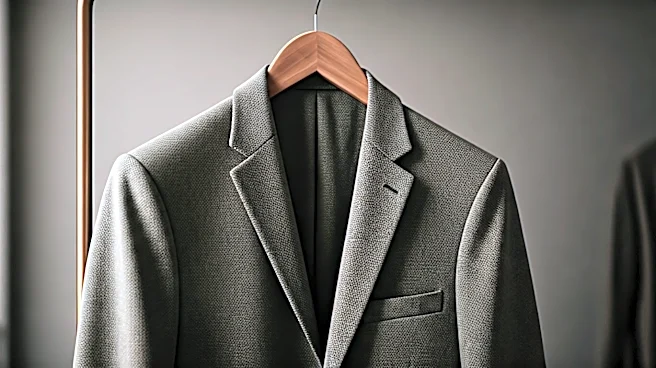
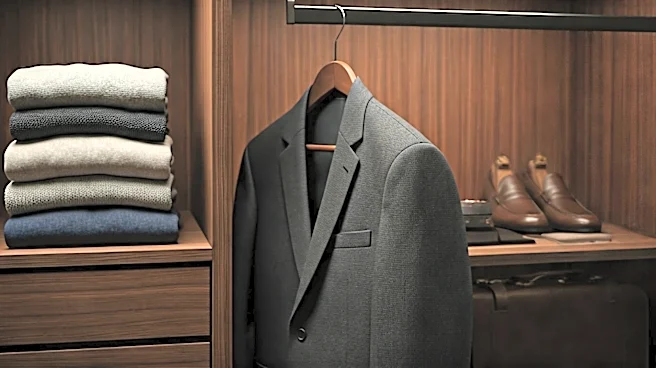
The men of Pitti build their legendary looks on a foundation of timeless, high-quality classics. This is where your closet audit begins. Your “keep” pile isn't about what's trendy; it’s about what has good bones and enduring style. Start by identifying
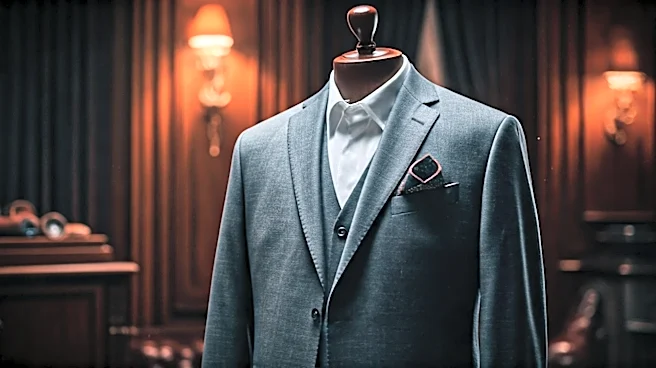
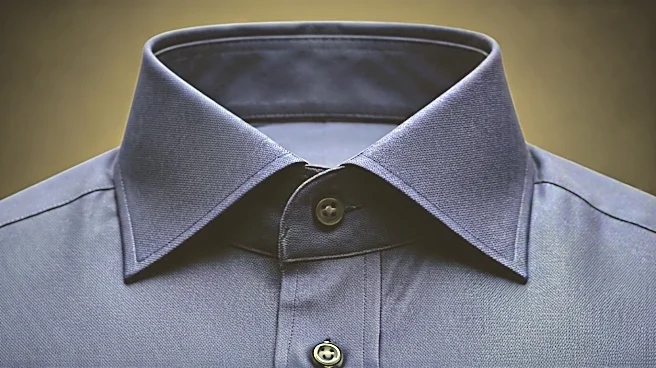
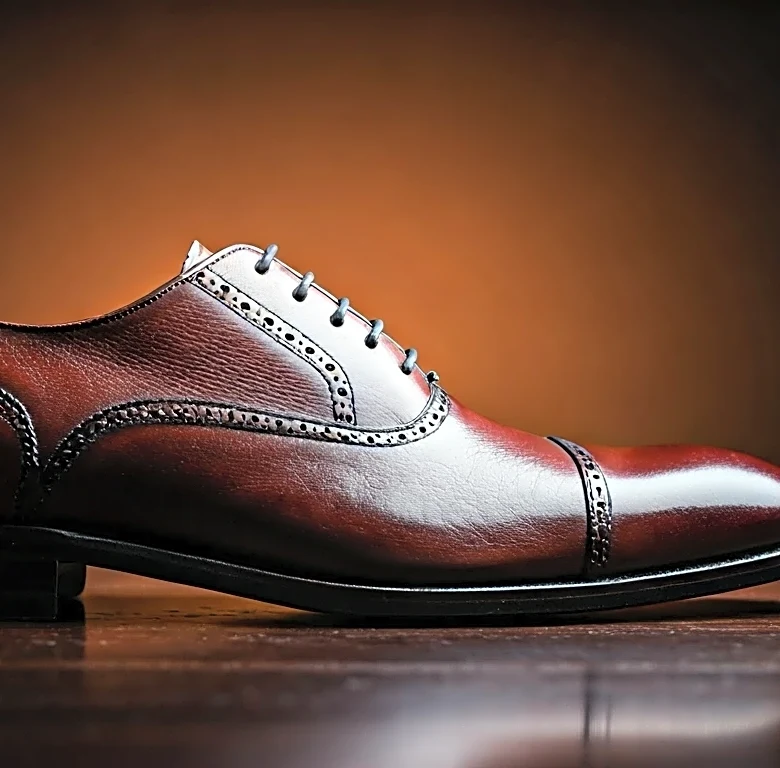
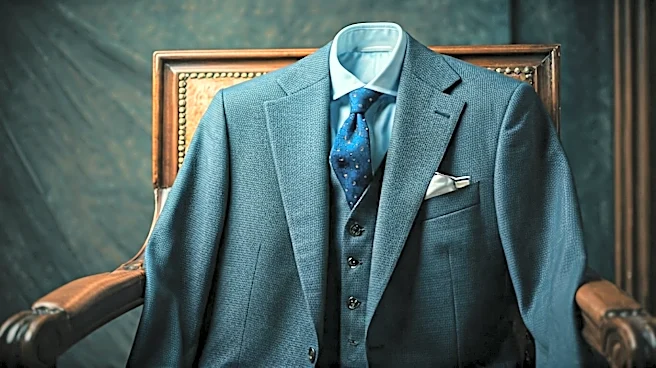
your MVPs: the navy blazer that fits well in the shoulders, the perfectly worn-in leather loafers, the versatile grey flannel trousers, or the crisp white Oxford cloth button-down. These are your anchors. Look for natural fibers—wool, cotton, linen, cashmere—that have held their shape. A well-made garment often gets better with age. Don’t worry if it’s not perfect; we’ll get to that. The key question to ask for each item is: “Is this a quality piece that represents a classic, versatile idea?” If the answer is yes, even if the color is bold or the pattern is distinctive, it belongs in the keep pile. Pitti style celebrates personality, but that personality is best expressed through a lens of quality construction. Keep the workhorses and the well-made statement pieces that you genuinely love to wear.
The Pursuit of Perfection: What to Tailor
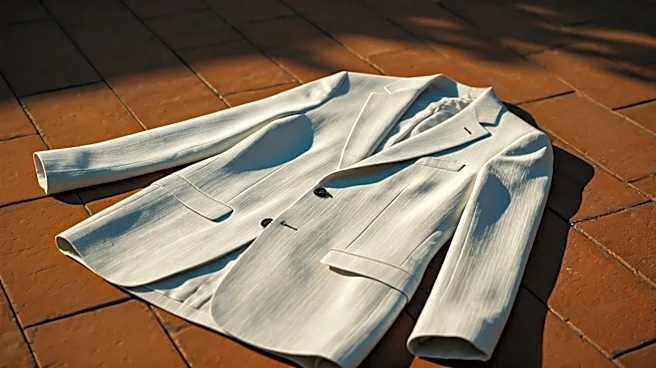
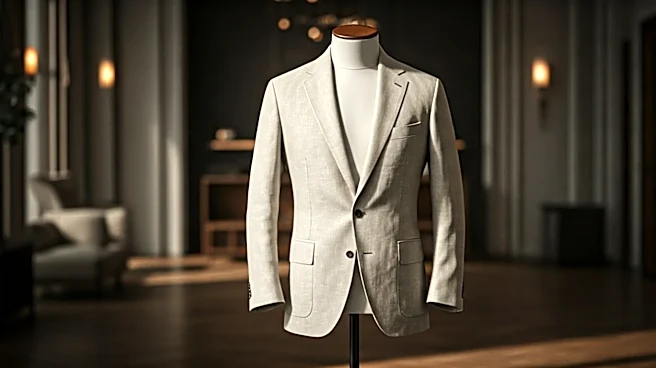
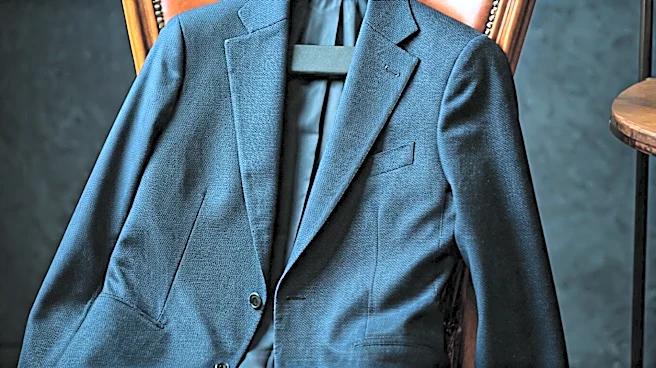
Herein lies the single most important lesson from Pitti Uomo: fit is everything. An inexpensive suit that has been expertly tailored will always look better than a luxury suit worn straight off the rack. This is where you can unlock the hidden potential in your “keep” pile and rescue items you might have otherwise given up on. Your “tailor” pile is about investment and transformation. Examine your jackets. Are the sleeves a half-inch too long, hiding your shirt cuff? A tailor can fix that. Are the shoulders too wide? That’s a trickier, more expensive job—that piece might be better off in the donate pile. Trousers are a tailor’s playground. Almost any pair can be hemmed to the perfect break (or lack thereof), tapered from the knee down for a cleaner line, or have the waist taken in. These small adjustments are relatively inexpensive but make a world of difference, turning a decent-fitting garment into one that looks custom-made for you. This is the essence of sprezzatura—the studied nonchalance that defines Italian style. It looks effortless because the hard work of getting the fit perfect has already been done.
The Art of Letting Go: What to Donate
A well-curated wardrobe is as much about what’s absent as what’s present. The “donate” pile is about making space, both physically and stylistically. It’s time for some honest assessment. First, anything that is worn out beyond repair—pilled sweaters, shirts with permanent collar stains, shoes with cracked soles—has to go. Sentimentality has its limits. Next, be ruthless with poor quality. That fast-fashion blazer made of a shiny polyester blend? It will never drape like a proper wool jacket. Those trendy sneakers from three years ago that now feel dated? Let them go. The Pitti mindset favors buying fewer, better things. Clearing out the disposable items reinforces this philosophy. Finally, address the things that are simply not “you.” Maybe you bought a loud floral shirt on a whim but never felt confident wearing it. Maybe you’re holding onto jeans from a decade ago that no longer fit your body or your lifestyle. A great wardrobe should reflect who you are now. Donating these items isn’t a failure; it’s an edit. It’s the final, crucial step in refining your personal style and ensuring everything you own is something you’re proud to wear.