


The Search for the Tell
In an era of “stealth wealth” and minimalist aesthetics, telling luxury apart at a glance has become a sophisticated game. The obvious logos and flashy hardware of yesteryear have been replaced by a focus on silhouette, fabric, and feel. A simple cashmere
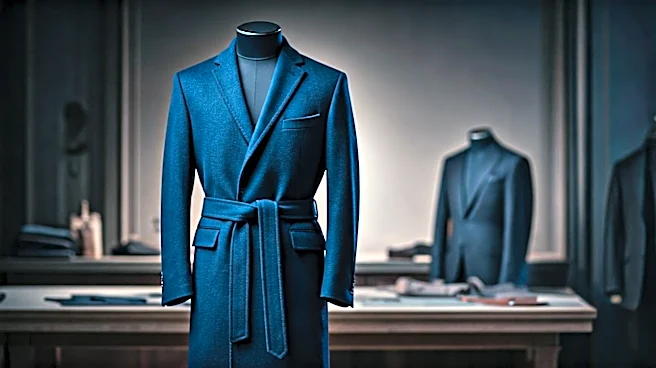
overcoat from a fast-fashion brand can, from a distance, look remarkably similar to one from Loro Piana or Zegna that costs fifty times as much. They might share the same color, a similar single-breasted cut, and a clean, unadorned finish. So, if not the logo, what is the giveaway? The answer isn't in what's added, but in what’s been masterfully taken away. The secret lies in the shoulder.
Meet the Unstructured Shoulder
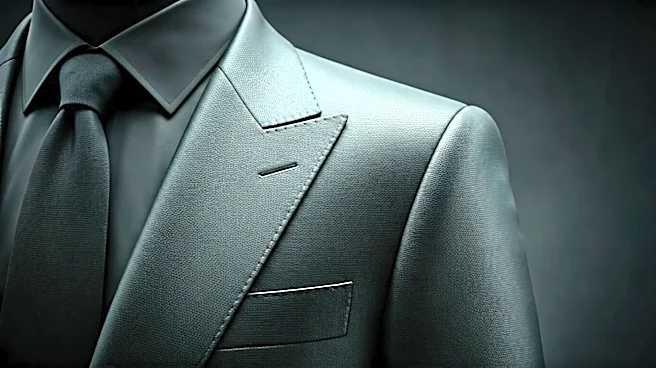
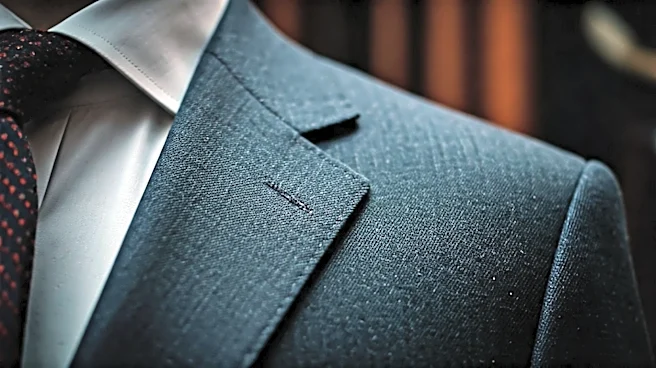
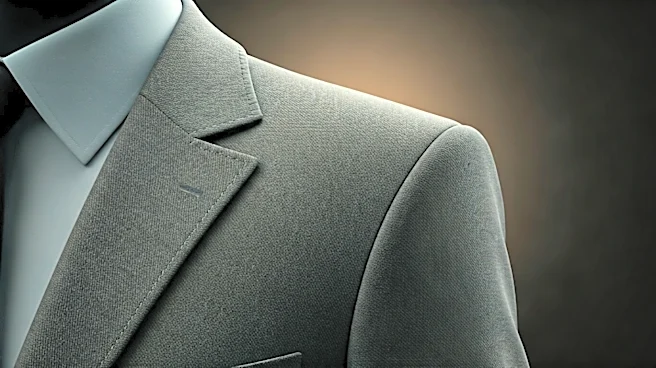
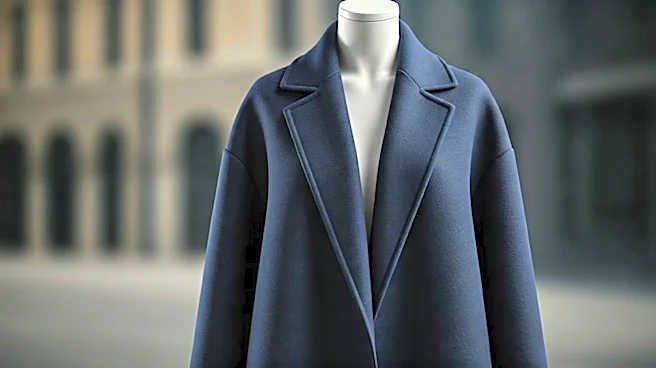
Look closely at the high-end coats coming out of Milan, from powerhouse brands like Zegna, Prada, and Brunello Cucinelli. You’ll notice the shoulder line doesn’t have the sharp, rigid, padded structure we associate with traditional formalwear or 1980s power suits. Instead, you see a “soft shoulder.” It’s an unstructured, unpadded, or lightly constructed line that slopes naturally from the collar down to the sleeve. Sometimes called a “spalla camicia” (shirt shoulder) in classic Italian tailoring, this technique forgoes aggressive padding, allowing the fabric to drape according to the wearer's own body. The effect is one of nonchalant elegance and supreme comfort. It’s a coat that doesn't feel like armor, but like a second skin. It’s relaxed, confident, and unapologetically understated.
The Art of Engineered Effortlessness
Here’s the paradox: creating this “effortless” look requires far more skill and better materials than building a stiff, padded shoulder. A structured shoulder uses padding and rigid internal canvases to force a shape onto the garment. It’s a tailor’s trick for creating a strong silhouette, even with less-than-premium fabric. An unstructured shoulder has nowhere to hide. To achieve that beautiful, clean drape, the entire pattern must be cut with surgical precision. The armhole must be perfectly placed, and the sleeve head must be set with incredible skill to avoid puckering or collapsing. Most importantly, the fabric itself has to do the heavy lifting. It must be of a quality—a weight, weave, and composition—that allows it to hang beautifully under its own power. A cheap wool-poly blend will look limp and sad without padding to prop it up. A world-class double-faced cashmere, however, will fall perfectly. This shoulder construction is, in itself, a testament to the quality of the materials and the mastery of the person who made it.
The New Uniform of Power
This detail isn't just a technical quirk; it’s a philosophical statement. The hard-shouldered power suit was about projecting an image of strength and conformity—fitting into a corporate ideal. The soft shoulder is about an internal sense of confidence. It suggests the wearer doesn't need architectural clothes to command a room; their presence is enough. It’s a modern, more humanistic approach to luxury, prioritizing the wearer's comfort and quiet self-assurance over broadcasting status. Brands like Zegna have made this silhouette their signature, creating outerwear that moves with the body and feels as good as it looks. It signals a shift from dressing for others to dressing for oneself. When you see that soft, elegant shoulder line, you're not just seeing a well-made coat. You're seeing the physical embodiment of a very modern, very Italian idea of what luxury means today.