
The Rise of a New Holiday Tradition
First appearing in online conversations around 2007, 'Friendsgiving' has evolved from a niche slang term into a full-blown cultural phenomenon. It’s a Thanksgiving celebration shared among friends, often
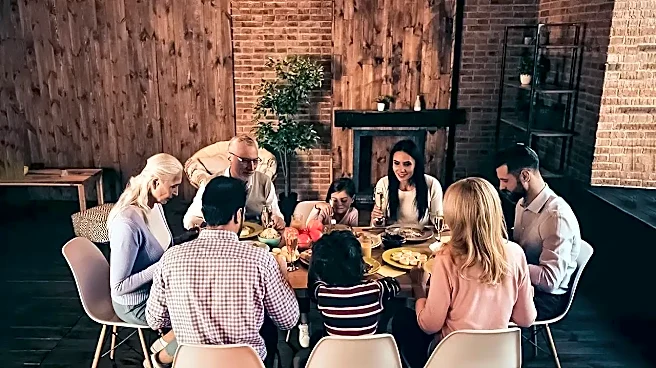
held in the days leading up to the main holiday or as an alternative for those who can't—or prefer not to—travel home. This rise is partly practical, driven by young adults moving for work and finding it too expensive or difficult to return to their families for a short holiday. It has become especially popular in urban areas and within the LGBTQ+ community, where the idea of a 'chosen family' provides a supportive and affirming alternative to potentially strained biological family dynamics. This isn’t just a substitute; for many, it's a primary celebration of gratitude and connection, free from the obligations and complex histories that can sometimes accompany traditional family gatherings.
From Sitcom Staple to Film Genre
Long before movies were dedicated to the concept, television primed us for the Friendsgiving narrative. Classic sitcoms like 'Friends' perfected the Thanksgiving episode, where a mishmash group of pals would navigate holiday mishaps together. These episodes demonstrated that a shared meal and a sense of belonging were the true core of the holiday, not blood relation. This foundation has paved the way for films that place this dynamic front and center. Movies explicitly titled 'Friendsgiving' (2020) and dramas like 'Pieces of April' (2003) explore the chaos and comedy that ensue when a group of friends attempts to create their own holiday celebration. In 'Pieces of April', a daughter tries to reconnect with her estranged family by hosting them in her tiny New York apartment, but her real support system is her boyfriend and quirky neighbors, who help her when her oven inevitably breaks.
A Mirror to Modern Connection
Friendsgiving films resonate because they tap into the powerful concept of the 'chosen family'—a group of people who intentionally form family-like bonds. These on-screen stories often feature an ensemble of quirky, flawed characters who are navigating breakups, career anxieties, and personal failures. The Thanksgiving meal becomes a catalyst for both conflict and catharsis. While often comedic, these movies don't shy away from drama; secrets are revealed, tensions boil over, and relationships are tested. Yet, the underlying theme is one of resilience and mutual support. The validation that comes from seeing these non-traditional families on screen can be profoundly affirming for audiences whose own lives don't fit the classic mold. These films tell viewers that the families built on shared experience and deliberate love are just as legitimate and vital as those defined by biology.
Redefining the Holiday Table
Ultimately, the appeal of the Friendsgiving film is its redefinition of what a holiday 'should' be. Traditional Thanksgiving movies often lean into the stress and dysfunction of family gatherings, like in 'Home for the Holidays' (1995) or 'The Humans' (2021). Friendsgiving movies offer a more optimistic, if still chaotic, alternative. They suggest that you can 'curate' your holiday, building new traditions with people who accept you unconditionally. These narratives provide a comforting thought: if your family of origin is a source of stress, there is another table waiting for you, surrounded by people who have chosen to be there. They reflect a significant cultural shift, prioritizing relationships built on mutual support and shared values in an increasingly mobile and fragmented world. They aren't just about a meal; they're about finding your people and creating a sense of home, wherever you are.