




An Old Habit From the Radio Days
The roots of the fall TV season stretch back to before television even existed. In the 1930s and '40s, radio was king, and its production was centered in New York City. Industry executives, like many New Yorkers, would vacate the hot city during the summer.
This created a natural programming lull. When those same executives transitioned to television, they brought the schedule with them. The pattern stuck for a simple reason: it worked. Viewership historically dips in the summer when people are on vacation or spending more time outdoors. The fall season, coinciding with the start of the school year and cooler weather, became the perfect time to capture audiences as they settled into new indoor routines. This also aligned perfectly with advertisers, particularly car manufacturers, who were eager to promote their new models.
The Greenlight Gauntlet: Fall and Winter
A show that premieres in September likely began its life almost a year earlier. The cycle for a traditional broadcast network series often kicks off in the fall with "pitching season." Writers and producers present their ideas to network executives, who then buy a number of scripts. Through late fall and early winter, these scripts are written, revised, and polished. By January, the networks decide which handful of scripts will be produced as pilots. This triggers a frantic period of casting, location scouting, and director hiring. These pilots are typically shot between February and April, giving executives just enough time to watch them before making their final decisions.
The Upfronts and the Summer Sprint
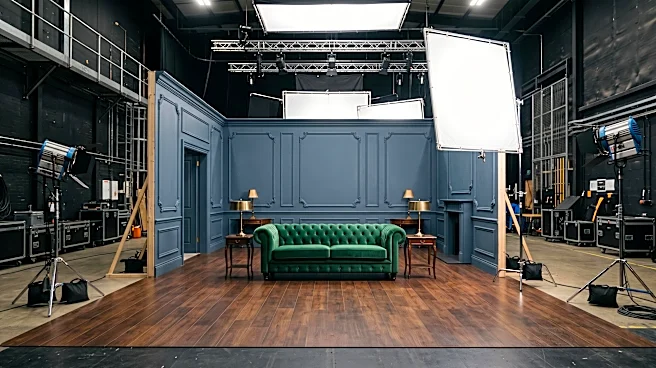
In May, the television industry converges on New York for the "upfronts." This is where networks present their schedules for the upcoming year to major advertisers, showcasing trailers for the new shows they've just ordered to series. Getting a coveted slot on the fall schedule at the upfronts is a huge vote of confidence. Once a show is picked up, the real race begins. A writers' room is quickly assembled in June, and they must break down the entire season's stories. Filming for the season, known as principal photography, typically runs through the summer and into the fall. An hour-long drama episode can take over a week to shoot, while a half-hour sitcom might wrap in just a few days, often in front of a live studio audience.
The Unseen Hurdle: Post-Production
Shooting is only part of the battle. The post-production process is a complex and time-consuming puzzle that runs parallel to filming. As soon as footage from a day's shoot (the "dailies") is available, editors begin assembling scenes. This editing phase can take weeks per episode. Simultaneously, other teams are working on sound design, adding music, and creating visual effects (VFX). For a high-end drama, this process can last for months. Color grading gives the show its final look and feel. All these elements must be mixed and finalized before an episode is ready for broadcast. For a September premiere, the first batch of episodes must navigate this entire pipeline over the summer, often with incredibly tight deadlines to deliver a finished product to the network.
But Is September Still King?
While the September premiere remains a cornerstone for broadcast networks like ABC, CBS, NBC, and Fox, its dominance is changing. Streaming services like Netflix and Prime Video operate on a completely different model, dropping new seasons and series year-round without allegiance to the traditional calendar. Their goal is to keep subscribers engaged every month, not just sell ad time in the fall. This has forced broadcast networks to adapt, leading to more mid-season premieres in the winter and spring to keep pace. Even so, the inertia of habit, advertising cycles, and the sheer joy of a fall TV preview in TV Guide (for those who remember) have kept the September tradition alive and well.