
Defining the Aesthetic
So, what exactly is “Art Teacher Chic”? Picture the coolest teacher you had in high school, the one who ran the ceramics studio or taught printmaking. The look is a collage of comfortable fabrics, creative
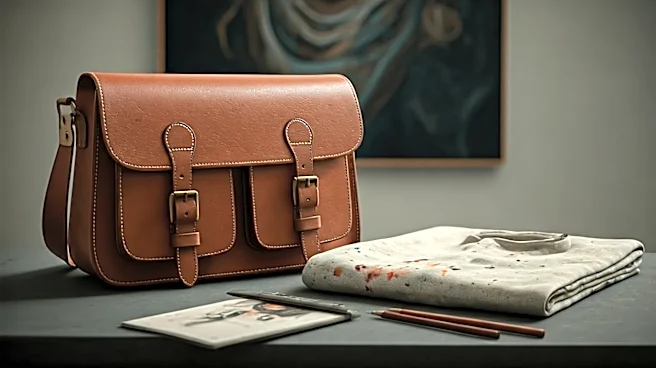
silhouettes, and intellectually charming accessories. Think flowing linen trousers, oversized button-down shirts (perhaps with a stray paint smudge, real or imagined), and practical yet sculptural footwear like Birkenstocks, Dansko clogs, or artisanal leather sandals. It’s less about adhering to runway trends and more about collecting interesting pieces over time. The uniform is finished with bold, often handmade, jewelry—a chunky silver cuff, a statement ceramic necklace—and a pair of architecturally interesting eyeglasses. The color palette is earthy and rich, but punctuated with a surprising splash of cobalt blue or marigold yellow. It’s a style that telegraphs creativity and confidence without screaming for attention.
A Rebellion Against the Old Guard
For years, the art world had two primary dress codes. First, there was the “gallerina” uniform: severe, head-to-toe black by a select group of austere designers like Rick Owens or Yohji Yamamoto. This look signaled serious, intellectual rigor. On the other end was the peacocking of collectors and influencers, a riot of luxury logos and fresh-off-the-runway pieces designed to broadcast wealth. Art Teacher Chic cuts through both. It’s a quiet rebellion against the commercialism of the logo-maniacs and the rigid coolness of the all-black brigade. It suggests a different kind of status, one based on cultural and intellectual capital rather than just a healthy bank account. By dressing like a creator, not a consumer or a curator-as-undertaker, the wearer implies they are part of the artistic process itself—a collaborator, not just an observer.
The Curated Performance of Effortlessness
Herein lies the central, delicious irony of the trend. The entire appeal of Art Teacher Chic is its perceived authenticity and effortlessness. It’s supposed to look like you just threw on some comfortable clothes before heading to your studio to make something beautiful. But at an event like Frieze—a nexus of commerce, culture, and social climbing—nothing is accidental. This “effortless” look is often as meticulously constructed as any couture gown. The linen is likely from a brand like Marni or a curated vintage find. The clogs are from a cult-favorite Swedish brand. The nonchalant tote bag probably cost more than a month’s rent. The style is a masterful performance of not caring, which has become the ultimate way to show you are in the know. It’s a costume that says, “I’m too preoccupied with ideas to be bothered by fleeting fashion,” a statement that is, of course, the most fashionable statement of all.
Comfort as the New Luxury
The rise of this aesthetic can’t be separated from a broader, post-pandemic cultural shift. We’ve all spent more time at home, reevaluating our relationship with our clothes. The tolerance for anything restrictive, impractical, or just plain uncomfortable has plummeted. Art Teacher Chic champions this new priority. It’s a wardrobe built for doing things: for walking miles across a sprawling art fair, for bending down to inspect a sculpture, for gesticulating wildly while debating a piece’s conceptual merits. In a world saturated with the stiff and the structured, the ability to move freely and comfortably has become its own form of luxury. This style proves that you don't have to choose between being comfortable and looking smart, creative, and put-together. You can, in fact, have it all—as long as it comes with an elastic waistband.