




The Myth: One Hero Can Win It All
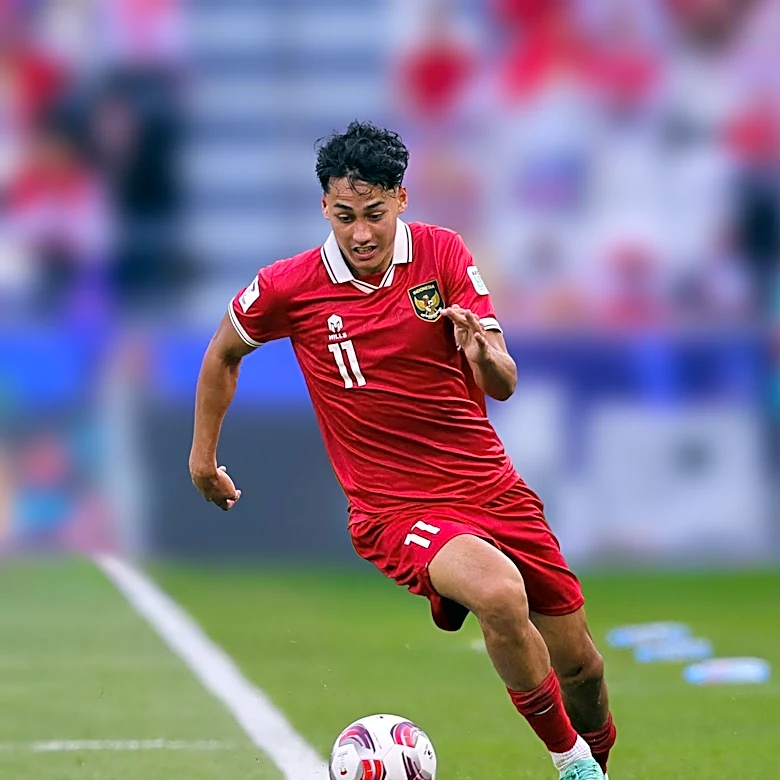
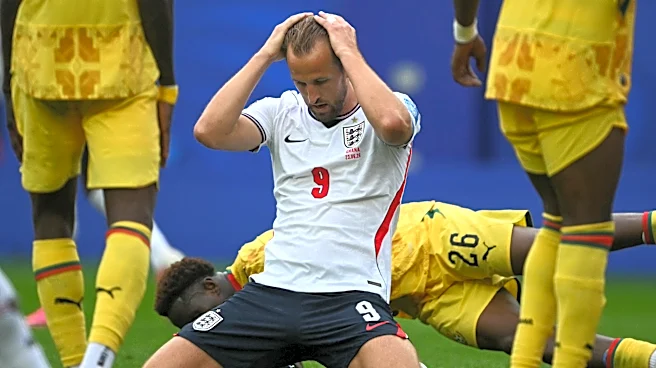
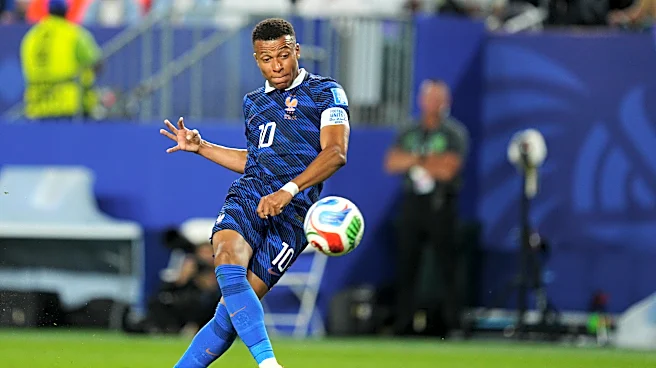
For fans raised on the narrative arcs of other sports, the idea is simple and compelling: a transcendent player, a Michael Jordan or Tom Brady of the pitch, can bend a tournament to their will. The camera follows them, the ads feature them, and the story
seems pre-written for them to be the hero. This thinking places the team as a supporting cast for the genius of one individual. It presumes that sheer, undeniable talent is the ultimate trump card. In a 90-minute game, surely the best player can conjure a moment of magic—a stunning free-kick, a defense-splitting pass, a solo goal—that decides everything. It’s a narrative that makes the game easy to understand, reducing the complex interplay of 22 players to a simple question: can the superstar deliver?
The Reality: The System Is The Star
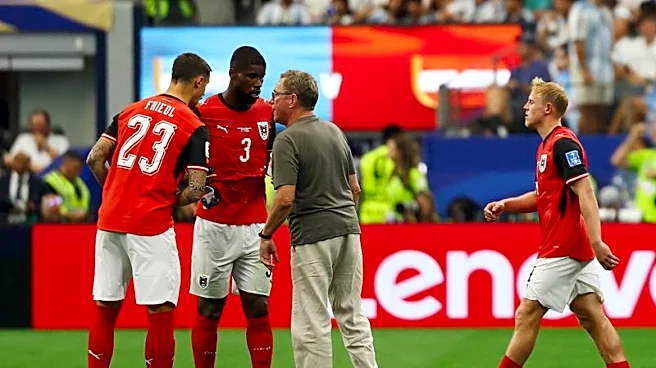
Soccer, more than perhaps any other major team sport, is a game of systems and chemistry. A single player, no matter how brilliant, has a limited sphere of influence on a massive field. They can be double-teamed, denied the ball, or isolated by a well-drilled opponent. Victory in modern soccer is often forged not by individual brilliance alone, but by collective tactical intelligence. A team that moves as a cohesive unit, presses in unison, and defends with discipline can neutralize a star and dismantle a team built around one. Trust between players—in their positioning, their decision-making, and their work rate—is the invisible architecture of a championship side. It’s not about having the best 11 players; it’s about having the best team.
Case Study: The Limits of Stardom
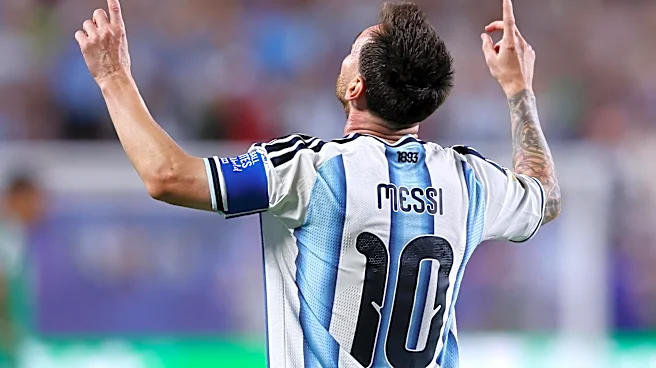
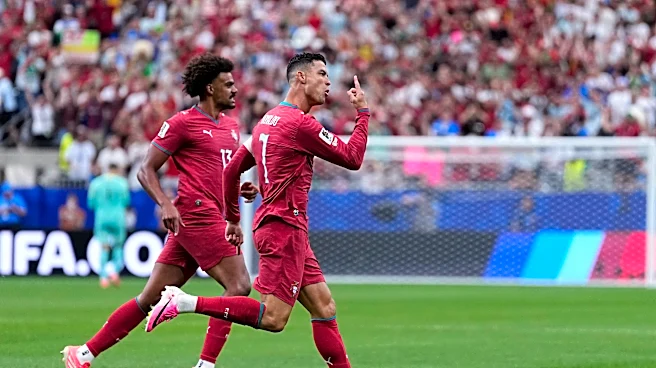
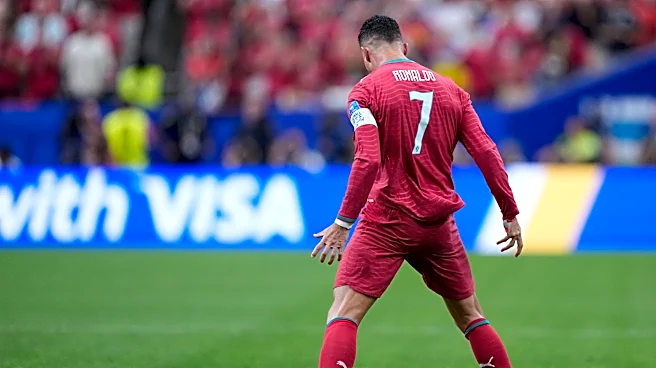
History is filled with cautionary tales. For years, Lionel Messi, arguably the greatest player ever, struggled to replicate his club success with Argentina. The team often felt unbalanced, overly reliant on his magic. It wasn't until coach Lionel Scaloni built a hardworking, adaptable, and unified team around him that Argentina finally conquered the world in 2022. That team was full of players like Rodrigo De Paul and Alexis Mac Allister, who weren't just there to serve Messi but to create a balanced, resilient system. Similarly, Portugal, despite boasting Cristiano Ronaldo, often fell short in major tournaments until they developed a more rounded and pragmatic team identity that didn't solely rely on his goalscoring. One star can win a match, but rarely an entire seven-game tournament without a robust, selfless system behind them.
Case Study: The Power of the Collective
The most compelling evidence against the superstar myth comes from the underdog stories that define World Cups. Look at Morocco's magical run to the semi-finals in 2022. They didn't have a top-five player in the world, but they had an unbreakable defensive structure, a clear tactical plan for each opponent, and a collective belief that made them greater than the sum of their parts. They eliminated star-studded Belgium, Spain, and Portugal not through individual magic, but through tactical discipline and relentless team effort. Recent tournaments are peppered with these examples: Croatia's run to the 2018 final was a testament to midfield control and team spirit, not one singular star. These teams prove that a strong, unified collective is the most powerful force in tournament soccer.