






The Show vs. The Showroom
The first thing to understand is that the most extravagant piece on the runway often isn't meant for sale. Think of it as the concept car at an auto show; it’s there to grab headlines, express a creative vision, and create a halo effect for the brand.
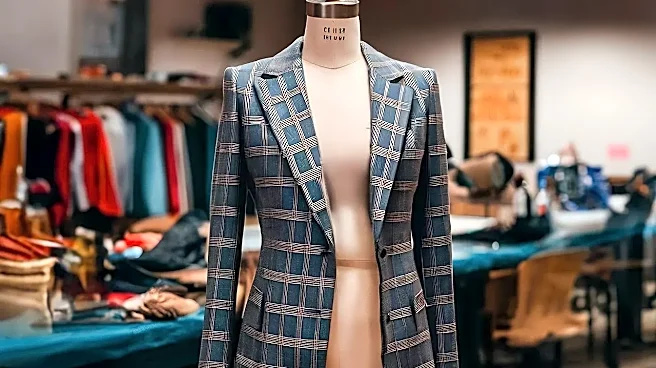
London Fashion Week is famous for this kind of experimentation, a breeding ground for avant-garde talent from schools like Central Saint Martins. Buyers appreciate this spectacle because it builds buzz, but their real work begins later, in the designer’s private showroom. There, they inspect the “commercial” collection. This includes the more wearable, less extreme versions of the runway looks: the same print on a simple blouse, the silhouette of a wild coat applied to a marketable blazer, or accessories that capture the show's spirit at an accessible price. The runway tells the story; the showroom sells the book.
The Math Behind the Magic
A buyer’s love for a collection is ultimately governed by cold, hard numbers. The primary consideration is margin. They analyze the wholesale price and determine the potential retail markup. If the margin is too thin, it’s a non-starter, no matter how beautiful the garment. In 2026, with consumers prioritizing value for money, this calculation is more critical than ever. Shoppers are looking for durability and quality, not just a trendy label, meaning buyers must be convinced a product's value justifies its price tag. Beyond price, buyers scrutinize production capabilities. Can the designer deliver a large order on time and to a consistent quality? A hot young designer who can’t scale production is a risky bet for a major department store. Reliability is just as important as creativity.
Wearability With a Twist
While London is known for its edge, buyers for major US retailers need clothes that will actually appeal to their customers. A recent shift at LFW has seen even the most conceptual designers lean into more wearable, enduring styles. The goal for a buyer is to find something unique that sets their store apart, but not so niche that it alienates shoppers. They are looking for the new “it” color, like the chartreuse and navy that dominated recent shows, or a fresh take on a proven seller, like the reinvented trench coats at Burberry. It’s a balancing act: they want a collection to have a strong, clear narrative and point of view, but the individual pieces must be versatile enough for a customer to integrate into their existing wardrobe.
The Brand Story and Social Proof
In today's market, buyers are investing in a brand's story as much as its clothes. A designer with a compelling narrative, a strong social media presence, and a clear point of view is a much safer bet. Succinct storytelling is crucial, especially for London's more conceptual collections. The buzz generated during fashion week—the press coverage, the celebrity sightings (like King Charles attending a Tolu Coker show), and the social media engagement—is a key metric. It provides social proof and a ready-made marketing angle that the retailer can use to promote the collection. Buyers use data analytics to track this engagement, helping them predict which brands will resonate with their audience. A designer who knows how to create a viral moment is also creating a commercial opportunity.