


The Saturation Problem
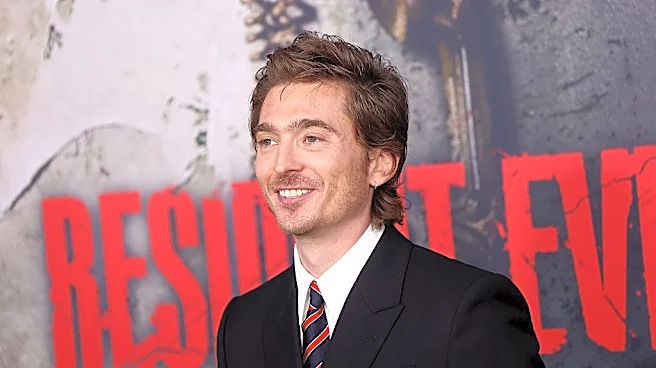
This fall’s horror slate is packed. We have big-name franchise reboots like Zach Cregger’s much-anticipated “Resident Evil,” sequels like “Fall 2: Deadpoint,” and intriguing originals like “Other Mommy” and the Stephen King-endorsed “Never After Dark.”
The sheer volume presents a challenge. The market is so crowded that studios feel pressured to make increasingly bold claims, promising unprecedented levels of terror. This marketing arms race can lead to audience fatigue, where every promise of a “new nightmare” starts to sound the same. When everyone is screaming, it becomes difficult to hear any individual voice. The danger isn't just that some good films will get lost in the shuffle; it's that the audience will become numb to the very marketing language designed to excite them. Breaking through requires more than just a good trailer; it requires a fundamentally different approach.
Strategy 1: Lean Into a Hyper-Specific Niche
Instead of trying to be the 'scariest movie ever,' the smartest films of Fall 2026 will aim to be the best at one specific thing. Look at the variety on offer: we have giant spider creature features like "Don't Move" and aquatic horrors like "Whalefall," where a diver gets swallowed by a sperm whale. There's also the J-horror throwback atmosphere of "Never After Dark" and the liminal horror trend seen in films like "The Backrooms." Success lies in dominating a subgenre. A film like "Whalefall" isn't just a monster movie; it's a claustrophobic survival thriller that happens to be set inside a whale. That’s a hook that cuts through the generic clutter. By targeting fans of folk horror, creature features, or psychological thrillers with laser-precision, a film can build a dedicated audience that becomes its most powerful marketing tool. It’s about creating an identity so distinct that it can’t be mistaken for anything else.
Strategy 2: The Power of the Performance
Often, what makes a horror movie unforgettable isn't the monster, but the person fighting it. A powerhouse central performance can elevate a simple premise into something profound and deeply unsettling. Think of how films in the past have been built around an iconic lead turn. This fall, the reboot of “Resident Evil” by Zach Cregger, known for “Barbarian,” puts the focus on a medical courier in a fight for his life, suggesting a character-driven approach rather than just pure zombie action. Similarly, indie films often rely on a magnetic actor to anchor the horror in genuine human emotion. In a sea of special effects and elaborate lore, a raw, compelling performance can be the most terrifying effect of all. It reminds the audience that horror is ultimately about people, making the stakes feel personal and immediate.
Strategy 3: Marketing That Is Itself an Experience
The days of relying solely on a jump-scare-filled trailer are fading. Modern horror marketing at its best creates its own narrative. Campaigns for films like "Smile" and "Terrifier 3" have used live stunts and actors to create viral, real-world scares that generate buzz long before the movie's release. While not every film has the budget for such elaborate schemes, the principle remains: make the marketing an event. This could mean alternate reality games (ARGs) that drop cryptic clues, interactive websites that build lore, or TikTok trends that feel organic to the film’s world. The campaign for “The Backrooms” suggests a film born from internet lore, perfectly positioned for a digital-native marketing push. This approach doesn't just sell a ticket; it invites the audience to become part of the story, transforming passive viewers into active participants who are invested in the mystery before they even enter the theater.