



More Than Just Choppy Layers
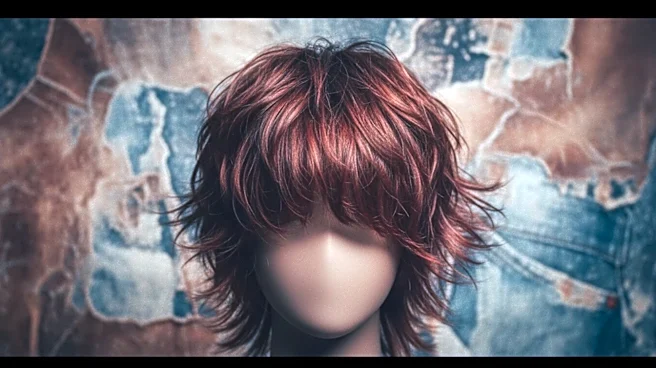
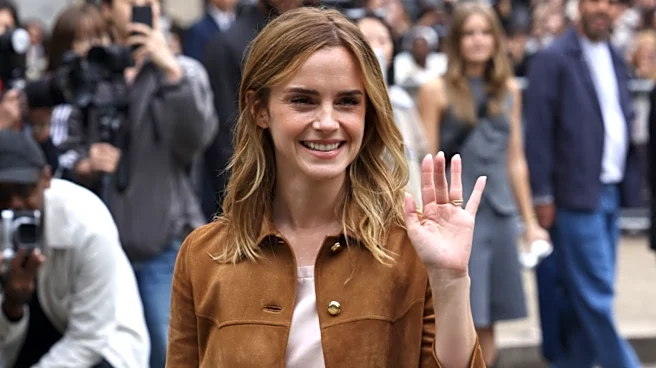
Before we get into the why, let's cover the what. A shag is defined by its layers—typically shorter and fuller around the crown and feathered out towards the ends. This creates volume on top and a lighter, wispier movement below. Paired with some sort
of fringe, from full-on bangs to softer curtain styles, the result is a haircut that looks intentionally undone and full of texture. But unlike a simple layered cut, the shag carries an attitude. It’s the haircut equivalent of a leather jacket: it instantly adds a touch of cool. That coolness isn’t an accident; it’s baked into the haircut’s very DNA.
The Original Rebel Yell of the '70s
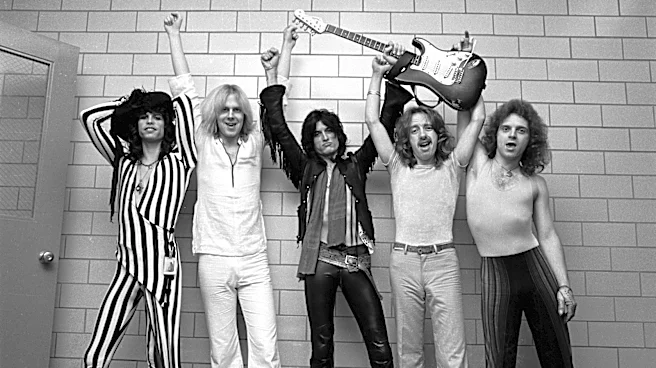
The shag exploded into the mainstream in the early 1970s as a direct rejection of the stiff, perfectly coiffed hairstyles of the 1960s. Its invention is credited to hairstylist Paul McGregor, who gave actress Jane Fonda her iconic chop for the 1971 film Klute. Fonda’s character was complex, tough, and vulnerable, and the haircut became a visual shorthand for this new kind of woman. But it wasn't just for women. The shag was famously unisex. Rock gods like David Bowie, Mick Jagger, and Rod Stewart all adopted the look, making it a symbol of androgyny, creative freedom, and a carefree spirit. To choose a shag in the '70s was to signal that you were part of the counter-culture, prioritizing ease and personal expression over polished perfection.
From Grunge to 'The Rachel'
Like all good things, the shag came back around in the 1990s, but it splintered into different forms. On one side, you had the grunge movement, where the shag’s messy, unkempt nature was pushed to its logical extreme by icons like Kurt Cobain. It was the perfect anti-establishment look for an era defined by apathy and authenticity. On the other, massively more popular side, you had “The Rachel.” Jennifer Aniston's famous haircut on Friends was, at its core, a highly polished and domesticated version of the shag. It took the shag’s flattering layers and face-framing pieces and made them safe, bouncy, and aspirational for a mainstream audience. It proved the shag’s framework was so strong it could be adapted for both the mosh pit and the coffee shop.
The 21st-Century Reboot
So why is it everywhere again in 2026? The modern shag is a direct response to our current cultural moment. After years of chasing the perfect, beachy waves that required a dozen products and a hot tool, there’s a collective craving for something more authentic and less time-consuming. The modern shag is celebrated for its ability to work with your natural hair texture, not against it. For curly hair, it creates shape and avoids the dreaded triangle. For fine hair, it builds volume at the crown. Its modern iterations, like the softer “wolf cut” or the bob-length “shob,” are all about personalization. In an era that values individuality, gender fluidity, and a certain 'effortless' aesthetic, the shag feels more relevant than ever. It's a cut that says you have better things to do than spend an hour on your hair, but you still want to look cool doing them.