






The Last Bastion of Appointment TV
In a world of on-demand everything, the concept of 'appointment television' has been almost entirely eroded by streaming. Almost. The major exception, and the biggest pillar holding up the cable model, is live events—primarily sports and breaking news.
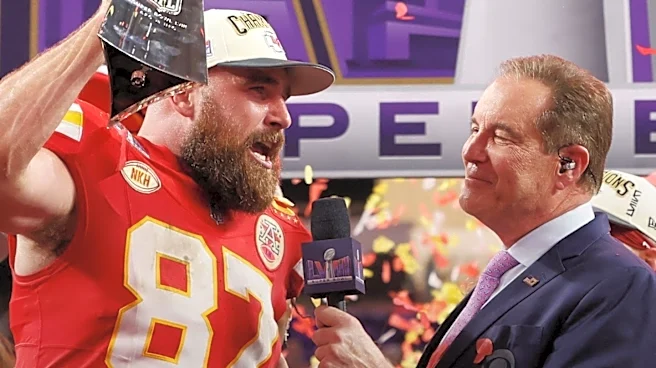
While streaming services have made inroads, the regional and national sports networks bundled into cable packages remain the most straightforward way to follow a local team all season. For millions, the ritual of tuning into a game at a specific time is a non-negotiable part of their fandom. This shared, real-time experience creates a sense of community that binge-watching a series alone cannot replicate. January 2026, for example, saw a 9% monthly jump in cable viewership, largely powered by the College Football Playoffs on ESPN. This surge underscores that when the outcome is unknown and the stakes are high, viewers still flock to the reliability of a live cable broadcast.
A Cure for Streaming Fatigue
Remember when streaming was the simple, elegant solution to cable's bloated channel bundles? Now, in 2026, many viewers find themselves navigating a labyrinth of apps, each with its own subscription fee and exclusive content. This phenomenon, dubbed 'streaming fatigue,' has become a genuine consumer pain point. In this chaotic landscape, the curated, passive nature of cable has found a new appeal. Instead of actively deciding what to watch from an endless library, viewers can simply turn on a channel and let the programming flow. It’s the difference between navigating a massive digital warehouse and browsing a curated boutique. For a segment of the audience, the limited choice and professional scheduling of cable TV offer a sense of relaxation and discovery that the hyper-personalized, algorithm-driven world of streaming lacks.
It’s Not Just for Boomers Anymore
While it's true that viewers over 65 are the most loyal cable subscribers, the narrative that they're the only ones watching is outdated. The persistence of cable fandom is less about a single generation and more about specific consumer needs. For instance, families often find value in bundles that combine internet, phone, and a comprehensive TV package that includes kids' programming, news, and sports in one bill. Furthermore, some reporting indicates that a significant number of people who 'cut the cord' eventually return, with 36% citing live sports as the primary reason. It isn't a story of one generation holding on, but of different demographics finding that cable, despite its costs, solves a particular entertainment problem that streaming alone does not.
The Financials of Fandom
The high cost of cable is the number one reason people leave, with the average bill hovering around $147 a month. However, the cost of recreating a cable-like experience through streaming is also climbing. With many streaming services increasing prices, cracking down on password sharing, and the need for multiple subscriptions to access a variety of content, a curated streaming setup can easily approach the cost of a basic cable package. This has led to a behavior known as 'churn,' where consumers subscribe to a service for a specific show and then cancel. For fans of genres that are well-served by cable—like certain reality TV franchises, news analysis shows, or specific sports leagues—sticking with a single, predictable cable bill can feel more straightforward than juggling a rotating cast of streaming apps and their ever-changing prices and content libraries.