
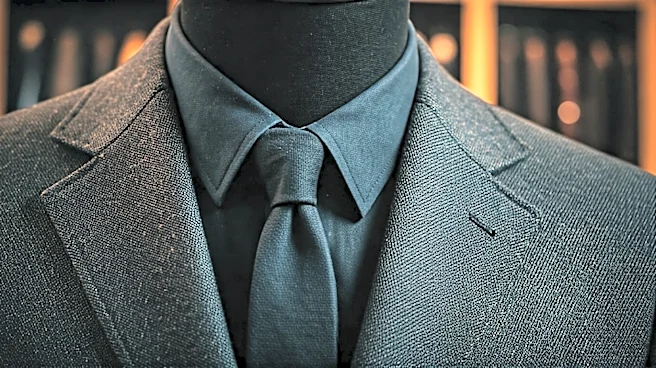


The Death of the Skinny Suit
First, let's pour one out for the skinny fit. For the better part of a decade, menswear was in a chokehold. Influenced by designers like Hedi Slimane at Dior Homme and later Saint Laurent, the dominant aesthetic was rail-thin. Super-slim trousers, shrunken
blazers, and shirts that hugged every contour were the markers of a stylish man. The street style stars of Pitti Uomo, the biannual menswear trade show in Florence, became famous for perfecting this look, turning the Fortezza da Basso into a runway of razor-sharp, painfully slim tailoring. It was a youth-obsessed, rock-and-roll-inflected ideal that trickled down from high fashion to every mall in America. But fashion, by its nature, must evolve. After more than ten years, the look simply ran its course. The rebellion wasn't just aesthetic; it was also physical. Men got tired of feeling constricted.
Comfort Became the New Luxury
The most significant catalyst for the new silhouette was, without a doubt, the global pandemic. The world collectively traded its hard pants for sweatpants. We worked, socialized, and lived in clothes defined by comfort and ease. As society reopened, an interesting thing happened: we refused to go back. Having spent months in loose, forgiving fabrics, the idea of squeezing back into a tight pair of jeans or a restrictive blazer felt deeply unappealing. This psychological shift is written all over the new Pitti Uomo uniform. The draped silhouette is the formalwear equivalent of a WFH mindset. It prioritizes movement, breathability, and a sense of relaxed confidence over the rigid posture demanded by its skinny predecessor. It’s a style that acknowledges you can look powerful and put-together without sacrificing your ability to breathe deeply.
A Rediscovery of Classic Tailoring
It’s crucial to understand that “draped” and “relaxed” do not mean sloppy or oversized in a haphazard way. In fact, this new wave is a celebration of expert tailoring. A draped silhouette requires a deep understanding of fabric and construction. It’s about how a heavy wool breaks over a shoe, the elegant fold of a pleat in a wide-leg trouser, or the way an unlined jacket moves with the body. This isn't the baggy, formless look of '90s grunge. Instead, it’s a return to the principles of classic menswear from the 1930s, '40s, and '80s, when designers like Giorgio Armani revolutionized suiting by deconstructing it and letting the fabric flow. The new look requires more fabric and more skill to execute well. It’s a quieter, more mature form of luxury that whispers its quality through cut and material, rather than shouting it with a tight fit.
What the Draped Silhouette Looks Like
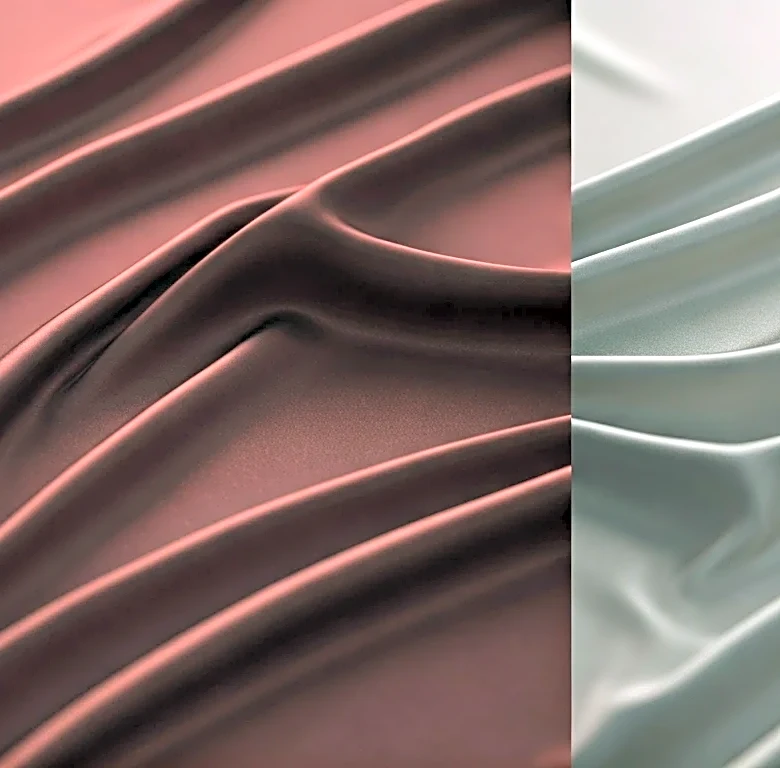
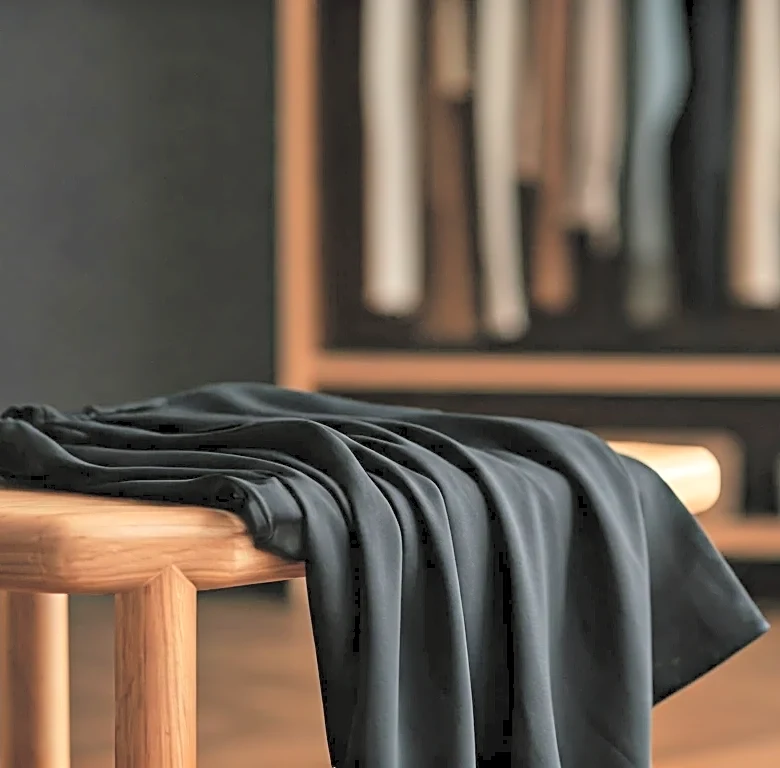
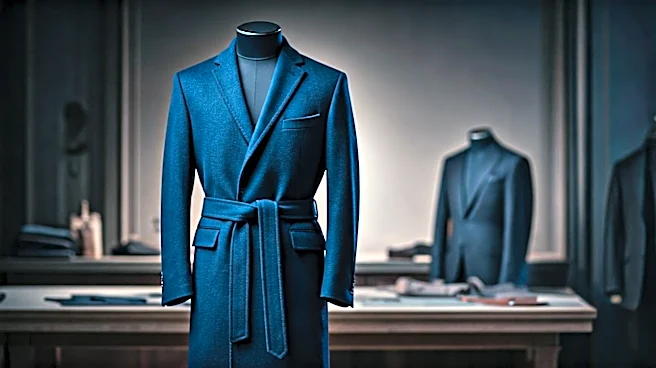
So what are the key pieces of this new uniform? It starts from the ground up. The skinny jean has been replaced by the wide-leg trouser, often pleated and high-waisted. These create a dramatic, flowing line that elongates the leg. Up top, blazers are softer, with less padding in the shoulders and a longer, looser cut. Double-breasted jackets are back in a big way, but worn open and informally. Overcoats are generous and enveloping, often touching the mid-calf or ankle. Fabrics are key: think fluid wools, weighty linens, and cashmeres that have beautiful movement. The overall effect is one of nonchalant elegance—a man who is so comfortable in his own skin that his clothes can afford to be, too. It’s less about showing off the body and more about creating a powerful, confident shape.