


The Lure of the Bristles
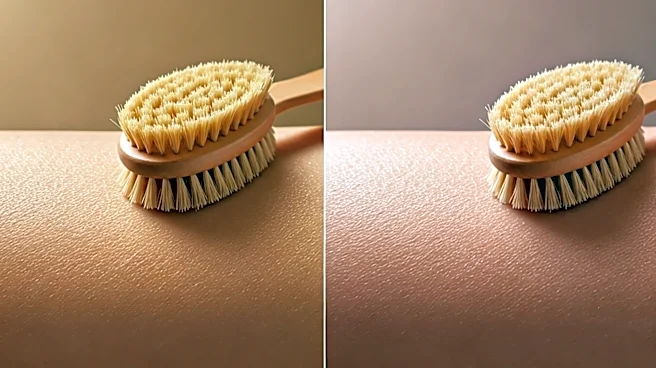
First, let's get on the same page. Body brushing, or dry brushing, is exactly what it sounds like: using a stiff, bristled brush to gently massage your skin before you hop in the shower. Proponents claim it does everything from stimulating the lymphatic
system and reducing cellulite to, most famously, improving circulation. The immediate sensation is one of invigoration—a tingly, energizing feeling that wakes up the skin. This feeling is often interpreted as a sign of increased blood flow, which is where the circulation claims originate. The primary, undeniable effect, however, is exfoliation. The firm bristles are very effective at sloughing away dead skin cells, leaving the skin feeling smoother and looking brighter almost instantly. But it’s this very mechanism—vigorous mechanical exfoliation—that makes it a risky proposition for many.
Circulation Hype vs. Exfoliation Reality
Let’s tackle the circulation claim head-on. When you rub your skin with a brush, you are physically stimulating it. This causes a temporary increase in blood flow to the surface, resulting in a flushed, pink appearance. This is a natural inflammatory response called erythema. It feels invigorating and looks healthy, but it's not a long-term fix for systemic circulatory issues. Dermatologists are quick to point out that there is no strong scientific evidence that dry brushing permanently improves circulation in a medically significant way. The real star of the show is exfoliation. By removing the top layer of dead cells, you can help prevent ingrown hairs and allow moisturizers to penetrate more effectively. For the right person, this can lead to genuinely healthier-looking skin. The key is understanding that you're essentially sanding your skin, which requires a strong, resilient surface to begin with.
The Ideal Candidate: Resilient Skin
So, who is the 'right' person for dry brushing? Generally, individuals with normal, oily, or thicker skin that isn't prone to sensitivity are the best candidates. If your skin rarely reacts to new products, can handle physical scrubs without becoming red or irritated, and doesn't have any underlying inflammatory conditions, you might tolerate dry brushing well. The practice can be particularly useful for areas where skin is thicker, like the legs, arms, and back. For these skin types, the mechanical exfoliation can effectively buff away dullness without causing significant harm. The key is that their skin barrier—the outermost layer that protects from environmental aggressors and locks in moisture—is robust and can withstand the friction without becoming compromised.
When to Put the Brush Down
This is the most critical part: knowing when to avoid the trend. If you have sensitive skin, eczema, psoriasis, rosacea, or even just frequent dryness, dry brushing is not for you. For these conditions, the skin barrier is already compromised. Introducing the harsh, mechanical friction of a dry brush can create micro-tears in the skin, leading to further inflammation, redness, and irritation. Instead of a healthy glow, you risk a painful flare-up. Imagine trying to scrub a sunburn or a rash—it would only make things worse. The same logic applies here. Anyone with active acne, open wounds, cuts, or infections should also steer clear, as brushing can spread bacteria and delay healing. The temporary feeling of smoothness simply isn't worth the potential damage and discomfort.
If You Do Brush, Do It Right
If you've determined your skin is resilient enough, proper technique is essential to minimize risk. Start with a natural-bristle brush with medium stiffness—nothing overly harsh. Always brush on dry skin before a shower. Begin at your feet and use light, gentle, upward strokes toward your heart. This is the commonly recommended direction, though the main goal is to be gentle. Use smaller, circular motions on areas like your stomach and back. Never press hard; the bristles should glide over the skin, not scrape it. Limit your sessions to once or twice a week, for only a few minutes at a time, to see how your skin responds. After showering, pat your skin dry and immediately apply a nourishing lotion or oil to replenish moisture and support your skin barrier.