



The Peacock’s Global Stage
First, a quick primer for the uninitiated. Pitti Uomo is the most important menswear trade show on the planet. It’s where designers, buyers, editors, and influencers gather to see what’s next. For decades, its signature look—known as “Pitti Peacocks”—has
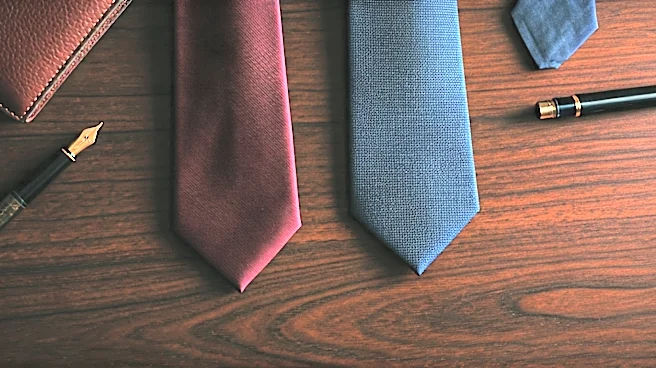
been defined by classic tailoring, often with a flamboyant Italian twist. Central to this uniform of sprezzatura, or studied nonchalance, has always been the tie. A perfectly dimpled, artfully chosen tie wasn't just an accessory; it was the price of admission, a signal that you understood the codes of classic menswear and respected the institution.
The Old Guard: A Symbol of Respect
For the veteran attendees, many of them Gen X and Boomers, the tie is a non-negotiable symbol. It represents more than just a piece of silk. It’s a nod to craft, tradition, and the art of getting dressed. In their view, wearing a tie isn't about conforming; it’s about showing respect—for the event, for the designers, and for yourself. It’s a deliberate act of putting in effort. To them, a tieless suit jacket, no matter how expensive, can look unfinished, like a sentence without punctuation. It suggests a casualness that borders on laziness, an erosion of the very standards Pitti was meant to uphold. This isn't just aesthetic snobbery; it’s a philosophical stance on what it means to present oneself to the world.
The New Guard: Freedom From the Knot
Enter the younger generation. For many Millennials and Gen Z attendees, the tie symbolizes everything they’ve been trying to escape: the rigid, hierarchical corporate world of their parents. It’s the uniform of conformity, the literal and figurative noose of outdated workplace expectations. Their approach to style at Pitti is fundamentally different. They still value beautiful clothing—a well-cut jacket, luxurious knitwear, interesting trousers—but they assemble it with a new set of rules. Comfort is paramount. Self-expression trumps tradition. An open-necked shirt under a chore coat, a fine-gauge polo under a blazer, or even just a perfectly draped knit is seen as more modern, personal, and ultimately more stylish than a stuffy suit and tie. For them, true luxury isn't about following old rules, but having the confidence to create your own.
Why This Sartorial Schism Matters
This isn’t just a squabble among well-dressed men in Italy. The great tie debate of Pitti Uomo is a microcosm of a massive cultural shift happening across the U.S. The pandemic accelerated the death of the traditional office dress code, leaving millions of Americans to ask: what does it mean to look “professional” now? The tie’s declining relevance at the pinnacle of menswear confirms that this isn’t a temporary trend. It reflects a broader reevaluation of formality itself. Younger generations are trading the symbolic armor of the suit and tie for a style language built on quality fabrics, relaxed silhouettes, and personal authenticity. The old indicators of status and seriousness are being replaced. A $500 cashmere sweater, worn without a tie, now communicates more power and taste in many circles than a $50 tie with a middling suit.