


It’s a Four-for-Four Town
First, you must understand that Philadelphia doesn’t just have a football team or a baseball team. It is a city pathologically obsessed with four major professional sports teams. The Eagles, Phillies, 76ers, and Flyers command year-round, top-of-mind devotion that few other American cities can truly claim. In New York, allegiances are split. In Los Angeles, the beach often wins. In Philadelphia, sports are a civic religion. This creates a permanent, high-level state of fan conditioning. The passion for the U.S. Men’s National Team (featuring local heroes Brenden and Paxten Aaronson) and the global superstars who will grace Lincoln Financial Field won’t be manufactured for a summer tournament; it will be a transfer of a ferocious, preexisting
energy that never, ever dissipates.
The Underdog Mentality is a Superpower
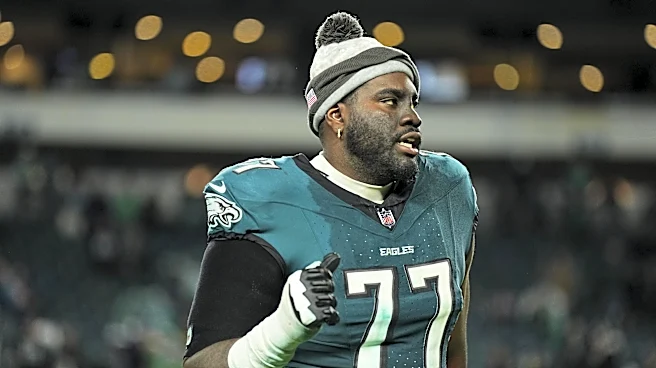
Philadelphia thrives on a chip-on-the-shoulder identity. It’s the city of Rocky Balboa, a fictional hero so real he has a statue. It’s the city of the “underdog” Eagles, who embraced the nickname on their way to a Super Bowl victory against the New England Patriots dynasty. This isn’t a city that expects to win; it’s a city that demands you fight. That translates directly to the stands. A Philly crowd doesn’t just cheer for success; it roars for effort. They can sense a player who leaves it all on the field, regardless of the flag on their jersey. While other cities might offer polite applause for a well-played match, Philadelphia will offer a volcanic eruption of approval for a team that mirrors its own blue-collar, never-say-die ethos. This energy is palpable, and players—from every nation—will feel it.
The South Philly Crucible
Geography matters. Unlike in many cities where stadiums are scattered or stranded in suburban isolation, Philadelphia’s sporting heart beats in one unified, accessible place: the South Philadelphia Sports Complex. Lincoln Financial Field (the Linc), Citizens Bank Park, and the Wells Fargo Center sit side-by-side, creating a crucible of energy. For the World Cup, this area will become a sprawling, self-contained festival of humanity. It’s a place built for tailgating, for pre-game chants that echo between venues, and for a collective energy that builds for hours before kickoff. Fans from Mexico City, London, and Berlin won’t be shuttled to a sterile concrete donut in the middle of nowhere. They’ll be dropped into the epicenter of American sports passion, a place already legendary for its noise and intensity.
That Notorious Reputation Is Actually a Positive
Yes, we have to talk about the reputation. The snowballs at Santa Claus. The batteries. Cheering Michael Irvin’s career-ending injury. For outsiders, these are signs of a boorish and toxic fanbase. But for those who understand the city, it’s the dark side of an unparalleled passion. Philly fans don't do apathy. They are not passive consumers of a sports product; they are active, vocal, and emotionally over-invested participants. They demand accountability and excellence. That infamous noise isn't random chaos; it's a tool. It’s used to intimidate opponents and to will their own team to victory. For a World Cup match with everything on the line, would you rather have the polite golf claps of a corporate crowd or the full-throated, intimidating, awe-inspiring roar of 70,000 people who care a little *too* much? The answer is obvious.