


1. The Living Room Becomes a Global Stadium
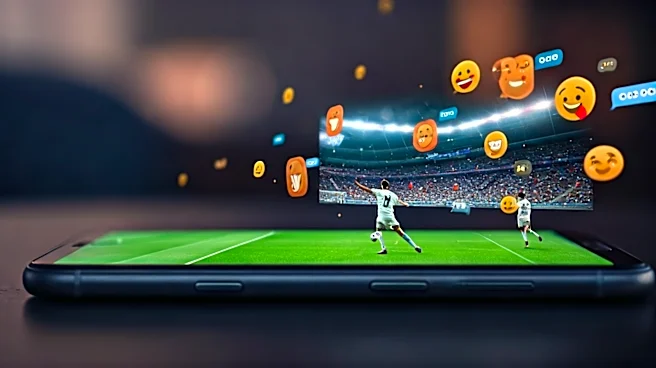
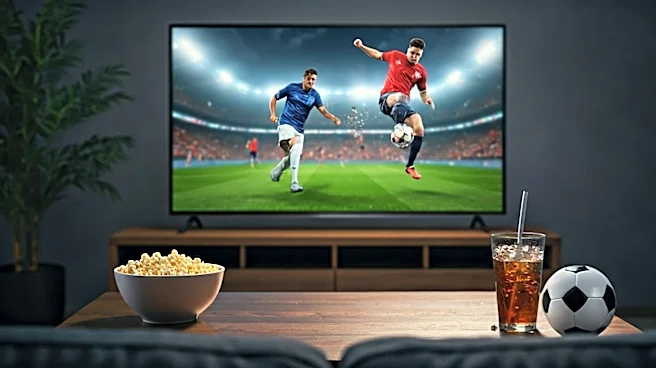
The single biggest shift is the death of isolated viewing. Your couch is no longer a private space; it’s a portal to a global conversation. The concept of the “second screen” has become standard operating procedure for the modern fan. While the match
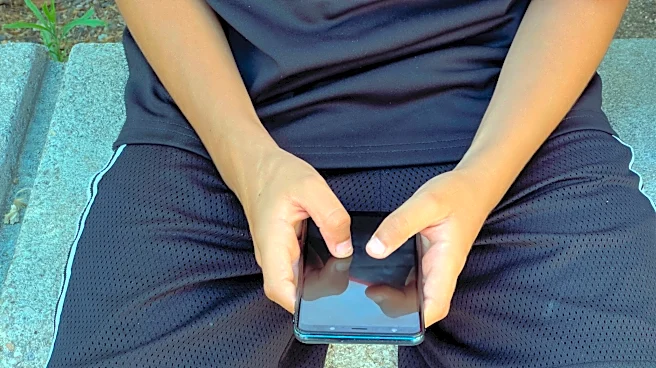
plays out on the television, your phone or tablet is alive with a real-time firehose of reactions on X (formerly Twitter), group chat explosions, and Instagram Stories from friends watching a continent away. Every foul, every goal, every controversial VAR decision is instantly debated, celebrated, or condemned by millions. This transforms a passive viewing experience into an active, participatory event, creating a sense of communal energy that was once reserved for being physically in the stadium or a crowded bar.
2. Every Moment Is a Potential Meme
In the pre-social media era, a memorable moment—like a bizarre miss or a dramatic player reaction—lived on in broadcast replays and highlight reels. Today, it lives on as a meme, GIF, or viral video within seconds. A player tripping over the ball, a manager’s theatrical sideline gesture, or a fan’s ecstatic face in the crowd is clipped, captioned, and remixed into internet gold before the game even ends. This “meme-ification” of sports changes how we remember a tournament. It’s no longer just about the final score. The collective memory becomes a collage of iconic goals and iconic jokes, with a hilarious screenshot of a frustrated superstar often having more cultural staying power than the tactical nuances of the match itself.
3. Players Are Now Their Own Broadcasters
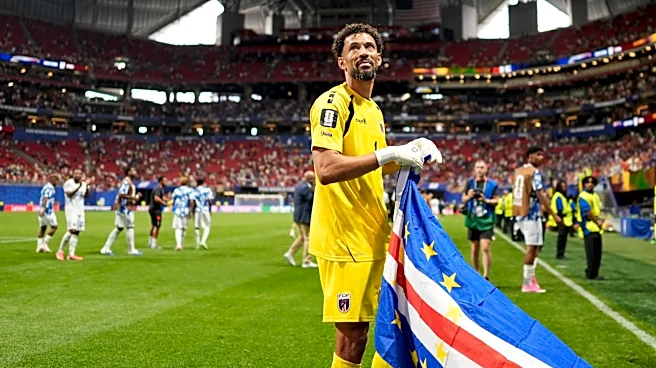
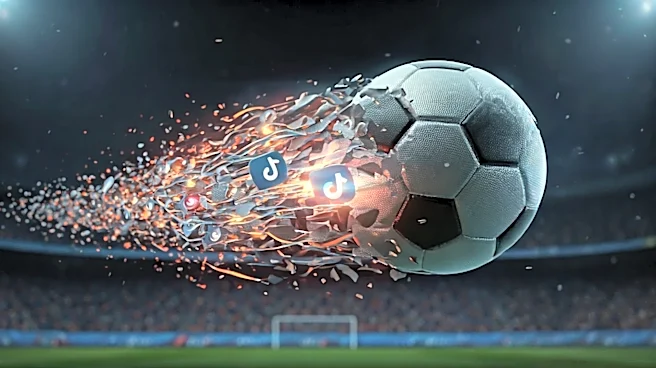
Not long ago, our entire perception of a player was filtered through post-match interviews and curated media profiles. Social media blew that model apart. Players now control their own narrative, offering fans a direct, often unfiltered, look into their lives during the tournament. They post pre-game locker room videos on Instagram, celebrate a win with a TikTok dance, or address a controversy directly on X. This access fosters a deeper, more personal connection between fans and their heroes. It also adds a new layer of drama. A cryptic post can fuel transfer rumors for weeks, and a poorly-timed photo can create a media firestorm, turning players into round-the-clock content creators and brand managers.
4. The Rise of the Alternate Broadcast
You’re no longer tethered to the official commentary team. Don’t like the network’s lead announcer? Mute the TV and tune into a live stream on YouTube or Twitch where your favorite fan creator is providing their own passionate, biased, and often more entertaining play-by-play. Social media has democratized analysis. TikTok creators break down complex tactical formations in 60-second clips, while data-savvy bloggers on X provide advanced statistical insights that official broadcasts often ignore. This fragmentation allows fans to curate their perfect viewing experience, layering expert tactical deep dives or hilarious fan rants on top of the live game feed, creating a bespoke broadcast tailored to their exact preference.
5. The News Cycle Is Instant and Unrelenting
From the starting lineup announcement to the post-game press conference, the news cycle around a match used to have a natural rhythm. Social media obliterated it. Team news doesn’t just break; it leaks, gets debunked, and is then confirmed by a dozen “insider” accounts in the span of ten minutes. A minor injury concern can trend worldwide based on a single blurry photo from a training session. This creates a constant state of high alert and information overload for dedicated fans. The game is no longer just the 90 minutes on the pitch; it’s a 24/7 soap opera of rumors, updates, and hot takes that fills every second between the opening whistle and the final.