
A Universe Beyond the Multiplex
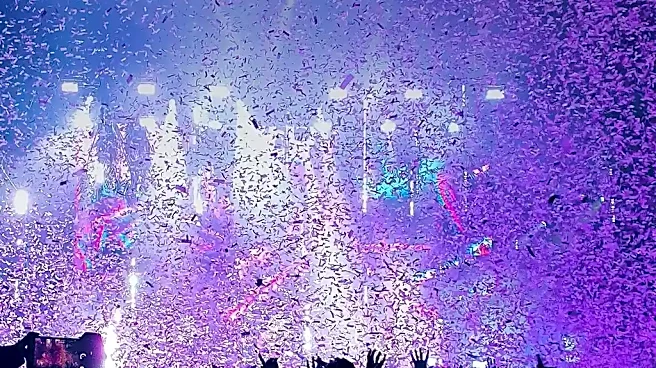
To understand New York Comic Con, which celebrates its 20th anniversary from October 8-11, 2026, you have to look past the massive banners for blockbuster movies and streaming shows. The true pulse of the event beats on the floor of the Javits Center,
where over 200,000 fans create a temporary, alternate reality. In the outside world, cultural relevance is dictated by marketing budgets and algorithms. A character is “mainstream” if they lead a billion-dollar film. But inside the con, the rules are different. Here, a hero from a short-lived 90s anime, a villain from a cult classic RPG, or a side character from a webcomic with a small but fervent following can draw more attention and excitement than Captain America. This is where fandom, not corporate synergy, decides who gets to be a star for the weekend.
The Power of Instant Validation
The magic of NYCC lies in community validation. For most of the year, loving an obscure character can be a solitary hobby. You might be the only person in your social circle who has even heard of them. But when you spend months crafting a perfect cosplay of that character and walk onto the show floor, something incredible happens: people recognize you. That shout of “Oh my god, is that…?” from across the hall is more than just a compliment; it’s an act of affirmation. It says, “I see you. I get it. We’re part of the same tribe.” This shared passion turns niche interests into a collective celebration. For cosplayers, this can be an empowering experience that provides a sense of belonging and visibility that may be absent in daily life.
An Economy of Passion and Craft
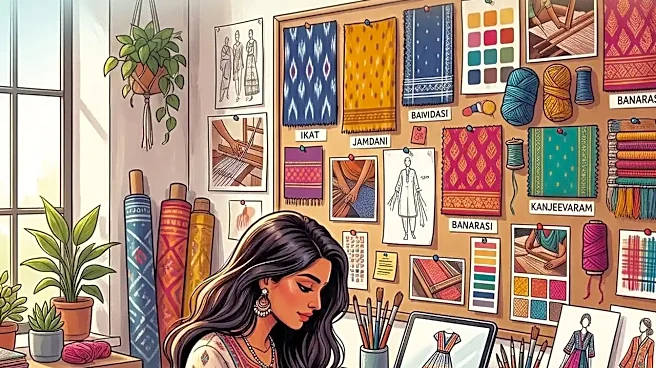
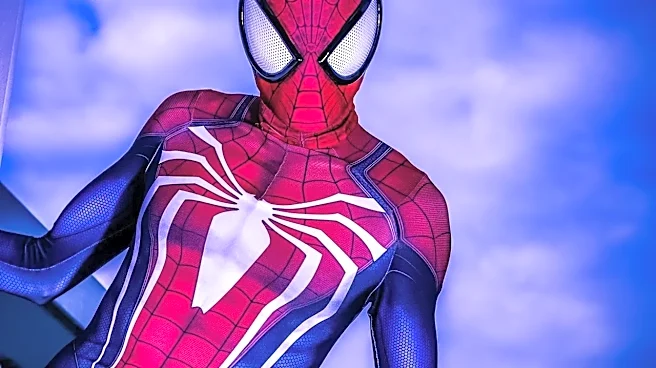
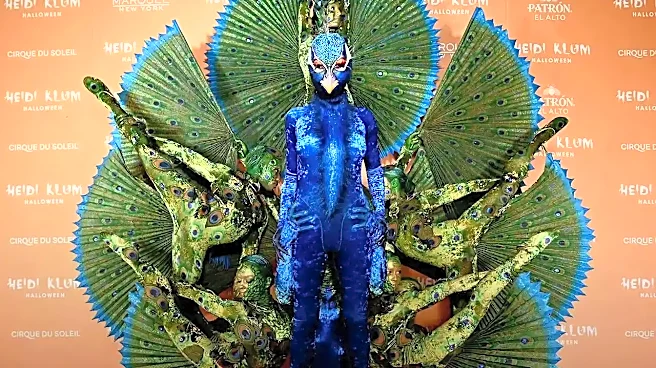
The characters that feel the most “mainstream” at NYCC are often the ones attached to the most impressive cosplay. Modern cosplay is a serious art form, involving everything from 3D printing and electronics to advanced sewing and prosthetics. A fan might spend hundreds of hours and a significant amount of money to perfectly recreate a costume. This level of dedication elevates the character itself. When attendees see a breathtakingly detailed costume of a figure they don't know, they are drawn to the craftsmanship first. The passion is so evident, so skillfully executed, that the character gains a kind of proxy fame. In this ecosystem, the currency isn’t box office numbers; it’s effort, creativity, and the mutual respect between creators and admirers.
For One Weekend, the Fans are the Curators
Ultimately, New York Comic Con is a powerful reminder that “mainstream” is a construct. The event functions as a massive, four-day curation engine powered by its attendees. If enough people love something, it becomes the main event within those walls. Event organizers have even noted how championing shows with devoted but underserved audiences, like "Our Flag Means Death," can generate an overwhelming response from fans traveling across the country. While major studios host splashy panels for their upcoming tentpoles, the enduring energy comes from the ground up—from Artist Alley, from cosplay meetups, and from the thousands of conversations happening in every corner of the building. For a few frantic days, the geeks have truly inherited the earth, and their definition of what’s important is the only one that matters.