




In fashion, it’s easy to assume that making a statement requires something big and bold. When it comes to belts, we often reach for a wide, eye-catching piece to cinch a dress or anchor an outfit. But what if the secret to a high-impact look is subtler?
The Power of Proportion
The first rule of a great outfit is proportion, and a belt is a powerful tool for controlling it. A wide belt cuts a thick horizontal line across your body, which can sometimes shorten the torso or overwhelm a look. A narrow belt, on the other hand, creates definition without sacrificing length. For those with shorter torsos or more petite frames, a skinny belt can define the waist without taking up too much vertical space, creating a more elongated and balanced silhouette. It’s not about the size of the belt; it's about the relationship between the belt and the rest of your body. The narrower line provides just enough structure to give you shape without visually cutting you in half.
Subtle Definition, Not Disruption
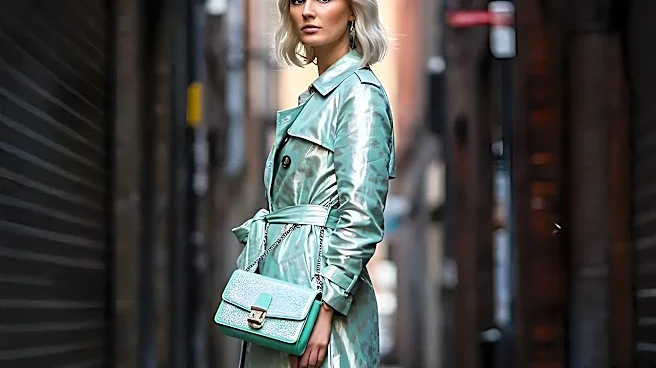
Think of a narrow belt as a finishing touch, not the main event. Its strength lies in its ability to add polish and structure in a quiet, confident way. Consider a monochrome dress or a fluid, single-pattern outfit. A wide, high-contrast belt can feel jarring, breaking the flow of the garment. A skinny belt provides the same waist-defining function but does it with finesse. It creates a gentle visual break that makes an unstructured piece, like a shift dress or an oversized blazer, feel intentional and put-together. The look feels complete and considered, suggesting you’ve mastered the small details that elevate a simple outfit into something truly stylish.
The Elongating Effect
A narrow belt can also be a tool for visual trickery, specifically for elongating your leg line. When you match the color of a slim belt to your pants, skirt, or trousers, you create a seamless transition from your top to your bottom half. The eye doesn't stop at a stark, wide line at your waist. Instead, it flows downward, making your legs appear longer and creating a more streamlined look. This technique is especially effective with high-waisted pants, where a slim belt can accentuate the high waistline without adding bulk. It's a subtle stylist's trick that works by minimizing disruption and maintaining a continuous vertical line.
A Partner for Delicate Fabrics
Not all fabrics can handle a heavy accessory. A chunky, wide belt can crush or overwhelm lightweight materials like silk, chiffon, or fine knits. Tying a wide belt too tightly over a soft dress can cause the fabric to bunch unattractively, creating a 'caterpillar' effect instead of a sleek silhouette. A narrow belt is the perfect partner for these delicate materials. It has enough presence to define the waist but is light enough not to weigh down the fabric or create awkward pulling. It respects the drape of the garment, working with it to add shape rather than fighting against it.
When a Wide Belt Still Wins
Of course, this doesn't mean you should discard your wide belts. They have their own time and place. A wider belt is often a better match for heavier fabrics like denim, corduroy, or thick wool. With a chunky sweater or a heavy coat, a skinny belt can get lost visually. A more substantial belt provides the necessary balance and structure for these more rugged or oversized looks. A wide belt can also serve as a deliberate focal point, a statement piece designed to be the star of the outfit. The key is understanding what you want the belt to do: provide subtle definition or command attention.