


The Frenzy Before the Finale
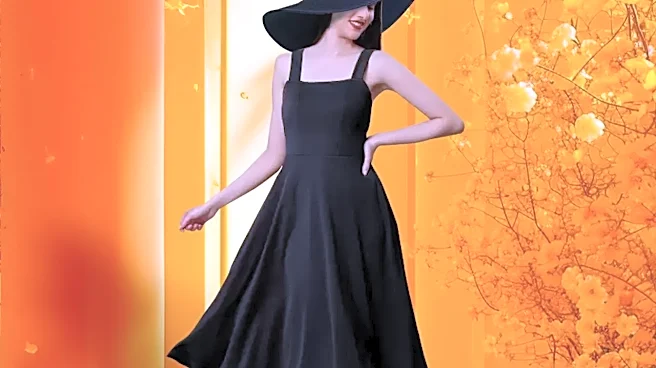
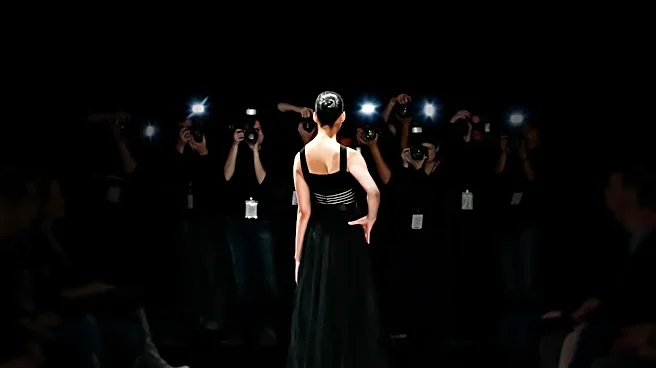
Imagine a scene of organized chaos. The runway is moments away from unveiling a collection months in the making, but here, in the atelier, the work is never truly done. The quote that gives this story its name—'They pinned the dress hours before the show'—is
not an exaggeration; it's a statement of fact in the world of high fashion. This last-minute perfectionism is vividly captured in documentaries like "Dior and I," which follows the intense creation of a collection from sketch to runway. The film showcases the immense pressure and the beautiful, hurried moments where a hem is adjusted or a seam is perfected with the clock ticking mercilessly. It's a world where the calm elegance a model projects on the catwalk is born from a whirlwind of activity, a testament to the luxury industry being like a swan: graceful on the surface, but paddling furiously underneath.
Meet the 'Petites Mains'
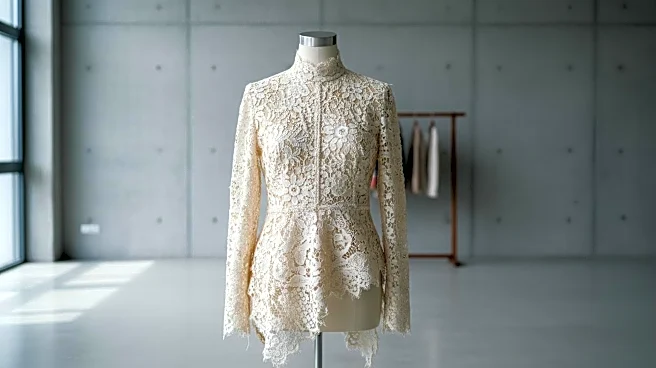
The people responsible for this magic are known as the petites mains, or "little hands." The term is an affectionate and respectful nod to the army of seamstresses, tailors, and embroiderers who bring a designer's vision to life. These are not just workers; they are artisans who have often dedicated their entire careers to a single couture house, passing down skills through generations. To become a premiere main, or lead artisan, can take a decade of rigorous training and practice. They are specialists in everything from intricate beadwork and feather application to the architectural tailoring known as flou (dressmaking) and tailleur (tailoring). In a house like Dior, dozens of these experts work in concert, their collective skill turning fabric and thread into artistry.
A Legacy of Perfection
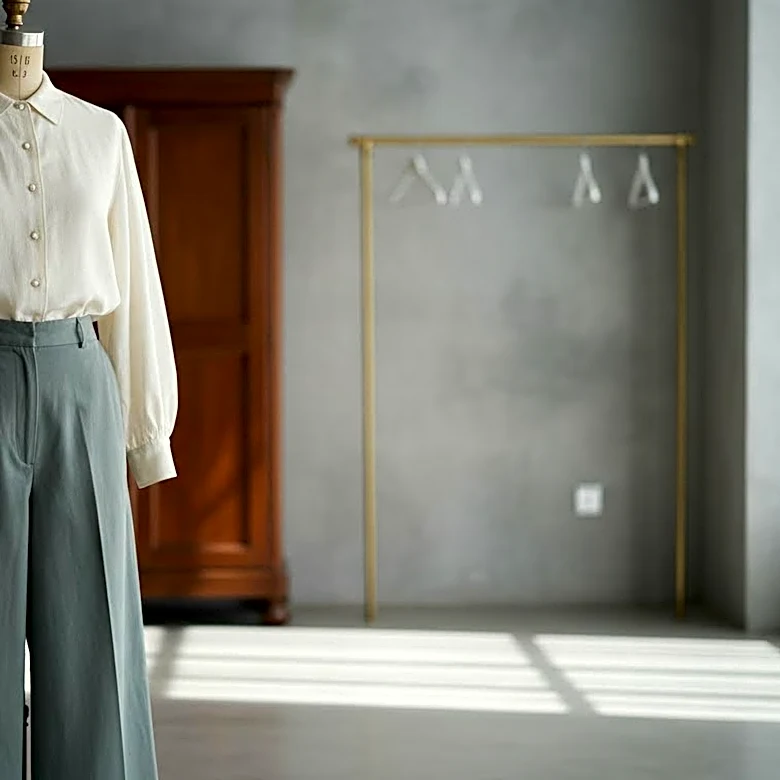
This culture of high-stakes, hands-on craftsmanship is woven into the very fabric of the House of Dior. When Christian Dior launched his 'New Look' in 1947, he was not just creating dresses; he was re-establishing a standard of luxury and artistry after years of wartime austerity. He worked intimately with his ateliers, and that collaborative, detail-obsessed spirit endures. Today, creative directors like Maria Grazia Chiuri still spend a significant amount of time in the ateliers, working directly with the artisans. The process begins with a sketch, which is then translated into a muslin prototype, or toile. This three-dimensional canvas is where the true engineering of the garment happens, long before a single thread is stitched into the final, precious fabric.
Why Haute Couture Still Matters
In an age of fast fashion and mass production, the world of haute couture can seem impossibly distant. A single gown can require hundreds, even thousands, of hours of labor. But its relevance is not just in the astronomical price tags. Haute couture is a laboratory for ideas, a guardian of craft, and an employer of thousands of specialists. It is a system built on human collaboration and shared goals, where creativity is protected by immense structure and discipline. The frantic final hours before a show are not a sign of poor planning, but rather a symptom of an unwavering commitment to perfection. Each last-minute pin and stitch is a final, whispered secret between the creator and the creation before it steps into the light.