






The Slow Death of the Tie
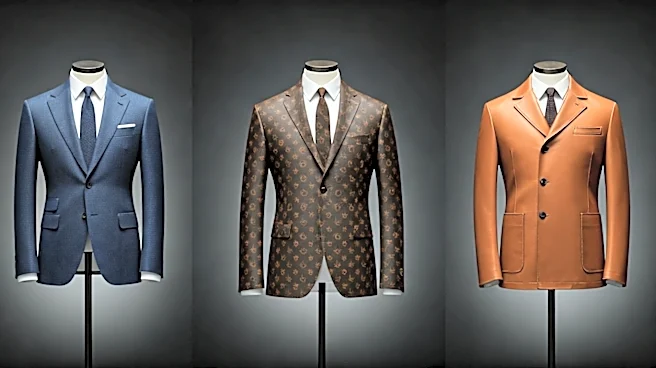
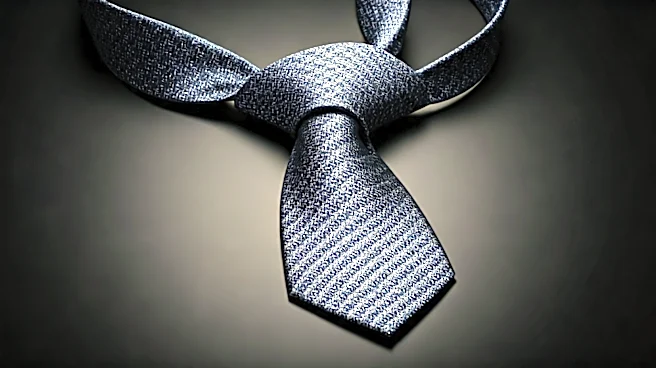
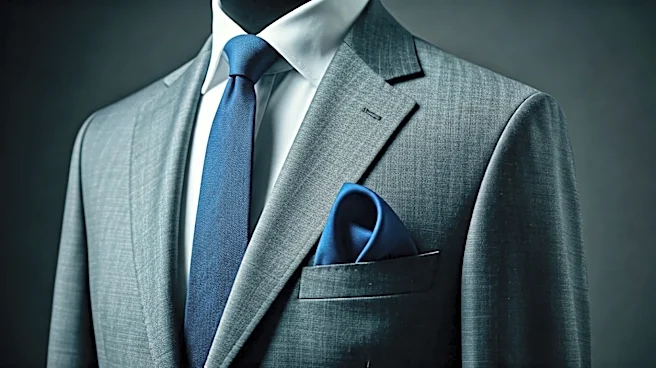
For the better part of a century, the tie was the non-negotiable finishing touch. It signaled professionalism, conformity, and a certain kind of masculine propriety. It was the exclamation point on a suit, the one narrow strip where a man could show a sliver
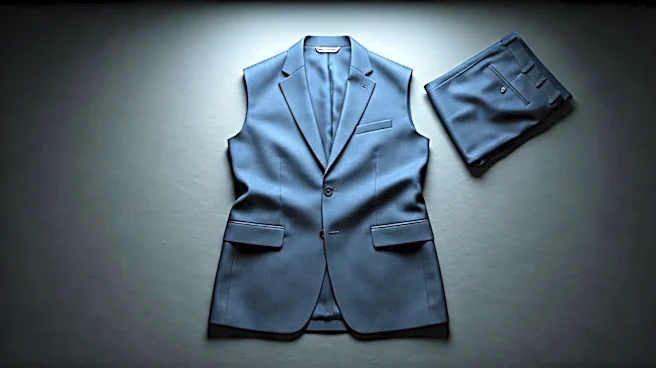
of personality with a paisley print or a regimental stripe. But look around. The open-collar, post-pandemic world has rendered the tie largely ceremonial, if not entirely obsolete. The slow march away from corporate rigidity, accelerated by years of Zoom calls from the waist up, has left the tie feeling less like a staple and more like a relic. At fashion’s highest level, this absence creates a vacuum. An outfit, particularly a tailored one, needs a focal point. It needs something to draw the eye, to complete the thought. For a new generation of designers and style icons, that 'something' is no longer hanging from the collar.
The Rise of Personal Adornment
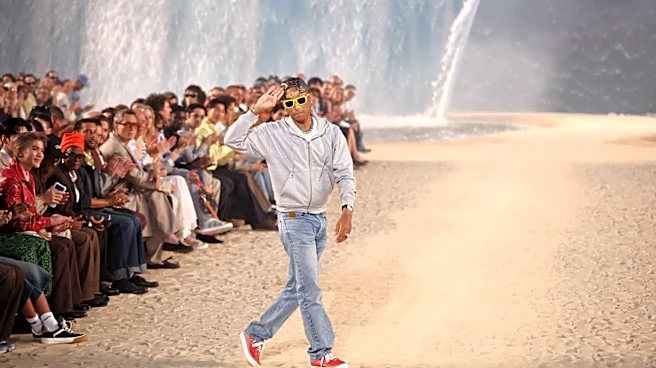
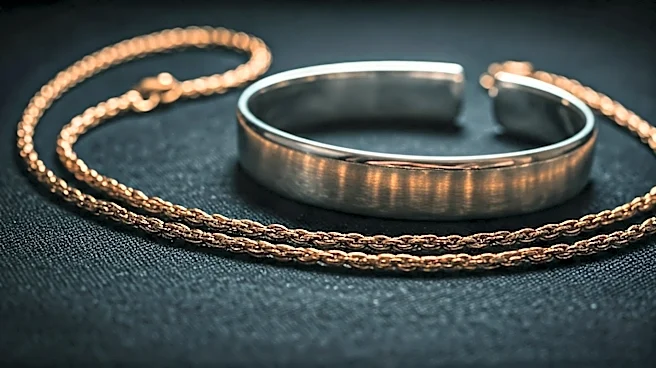
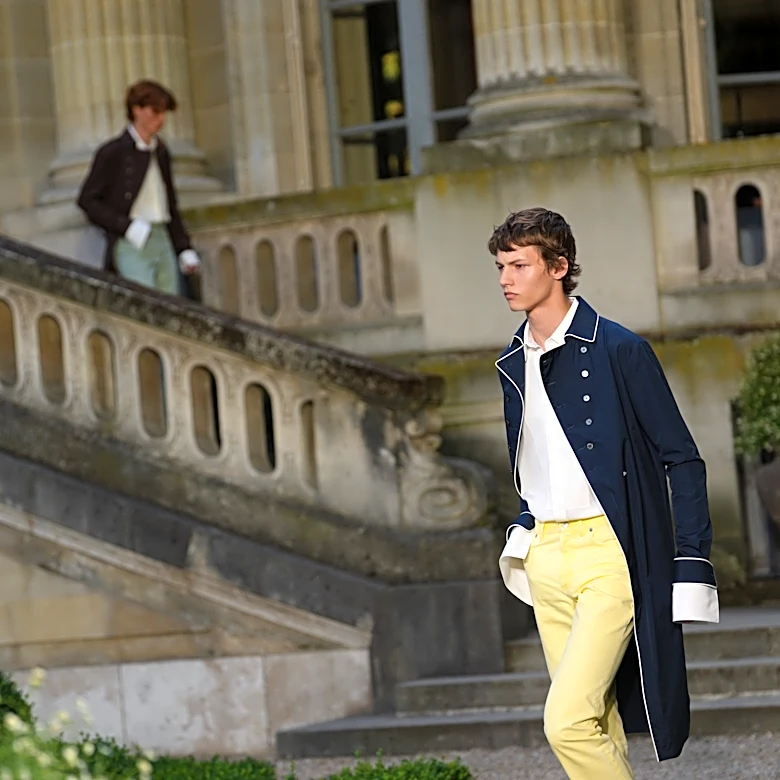
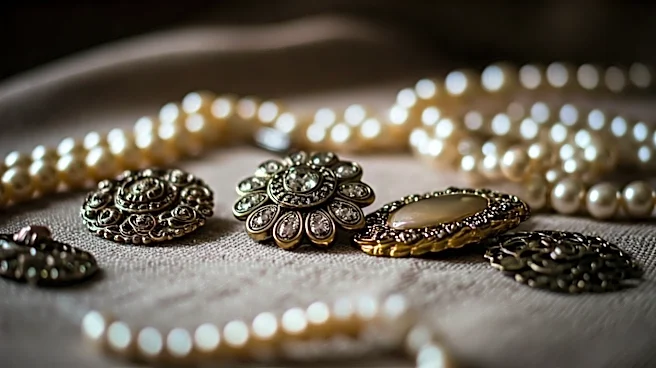
Enter jewelry. On the runways of Paris, designers from Louis Vuitton under Pharrell Williams to Dior Men under Kim Jones embraced adornment with newfound vigor. It wasn’t just a subtle signet ring or a quiet chain. We saw lustrous pearls draped over knits, intricate brooches pinned to the lapels of deconstructed blazers, and statement necklaces that functioned as the centerpiece of an entire look. Where a tie once provided a vertical line of interest, a strand of pearls now offers a soft, luminous curve. Where a tiepin once held silk in place, an artful brooch now adds a sculptural element to wool or cotton. This isn't about subtle accents; it's about jewelry taking center stage, serving the exact purpose the tie once did: to add personality, texture, and a point of visual interest that elevates an outfit from mere clothes to a 'look.'
The Celebrity Seal of Approval
This trend didn't just materialize in a Paris design studio. It was road-tested and popularized on red carpets and Instagram feeds by a new vanguard of male style icons. Think of Timothée Chalamet’s pearl chokers, Harry Styles' eclectic mix of rings and beads, or A$AP Rocky’s unabashed love for everything that shines. These men decoupled jewelry from its old associations with rock-and-roll rebellion or hip-hop bravado and repositioned it as a tool for sensitive, sophisticated, and fluid self-expression. They showed that a string of pearls could be just as masculine as a Rolex. This cultural permission slip has been crucial. When the world’s most photographed men treat a delicate necklace with the same casual confidence as a wristwatch, it signals to everyone else that the rules have permanently changed.
A New Definition of 'Polished'
So, is jewelry really the 'new tie'? In function, yes. A tie communicates a specific message: 'I am serious, I am professional, I belong.' Its language is one of conformity. Jewelry speaks a different language entirely—one of individuality. A vintage signet ring might hint at family history, a custom pendant could be a personal totem, and a simple silver chain might just be for the sheer aesthetic pleasure of it. It serves the same structural purpose in an outfit—providing a finishing touch—but its meaning is deeply personal rather than social or corporate. It suggests that being 'put-together' no longer means adhering to a uniform. Instead, being polished in 2024 is about curating a look that feels authentic and intentional. The best-dressed men in Paris weren’t the ones in a corporate uniform; they were the ones whose accessories told a story.